


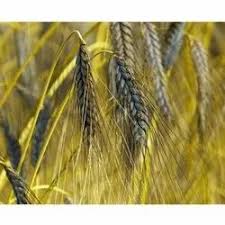
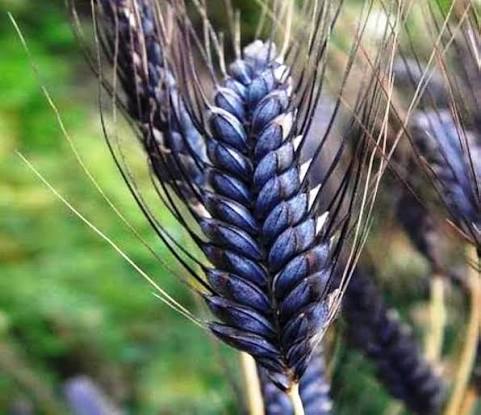
Grow Black Wheat from seed for an unusual cereal crop with dark-toned mature grain heads. A distinctive choice for home gardens, edible landscapes, ornamental borders, craft displays, and gardeners interested in heritage grains.
Key Features
- Produces upright wheat stalks with distinctive dark mature grain.
- Heirloom, non-GMO seed choice for home garden growing.
- Adds unusual color and texture to edible and ornamental gardens.
- Suitable for garden plots, raised beds, containers, and heritage displays.
- Mature seed heads can provide attractive seasonal interest.
Growing Benefits
- Adds unique dark grain color to traditional garden plantings.
- Provides an interesting crop for gardeners exploring heritage grains.
- Creates vertical texture and movement in edible landscapes.
- Mature stalks can be useful for decorative seasonal arrangements.
- Offers a rewarding growing project from seed to harvest.
Seed Specifications
- Common Name: Black Wheat
- Botanical Name: Triticum spp.
- Plant Type: Annual cereal grain
- Grain Color: Dark brown to blackish, depending on variety
- Foliage Color: Green, turning golden as plants mature
- Growth Habit: Upright grass
- Sunlight: Full sun
- Soil: Fertile, well-drained loam or garden soil
- Water: Moderate; maintain consistent moisture during establishment
- Germination Time: Approximately 5–14 days under favorable conditions
- Sowing Depth: Approximately 1–1½ inches
- Spacing: Approximately 4–8 inches apart, or sow in rows
- Growing Zones: Varies with wheat type and local growing season
- Maturity: Approximately 90–150 days, depending on variety and growing conditions
- Uses: Grain gardens, edible landscapes, heritage gardens, ornamental displays, craft arrangements, and home gardening
Growing Tips
- Choose a sunny location with fertile, well-drained soil.
- Sow directly outdoors at the appropriate seasonal window for your wheat type.
- Keep soil evenly moist during germination and early establishment.
- Harvest when the stalks and grain heads become dry and golden-brown.
Seed Storage
Store unused seeds in a cool, dry, dark location. Keep them sealed in their original packet or an airtight container protected from moisture, heat, and direct sunlight.
Important Growing Note
“Black wheat” can refer to different wheat varieties or dark-grained selections rather than one single botanical species. Grain color, plant height, maturity time, and performance can vary by seed line. Confirm the specific variety information on the seed packet before planting.
Unique Facts About Seeds
- Wheat is one of the world's major cereal crops and belongs to the grass family.
- Wheat grain develops inside compact seed heads called spikes.
- Dark-grained wheat varieties can provide unusual visual interest compared with conventional golden wheat.
- Mature wheat stalks can add a classic harvest-season appearance to gardens and decorative displays.