


Key Features
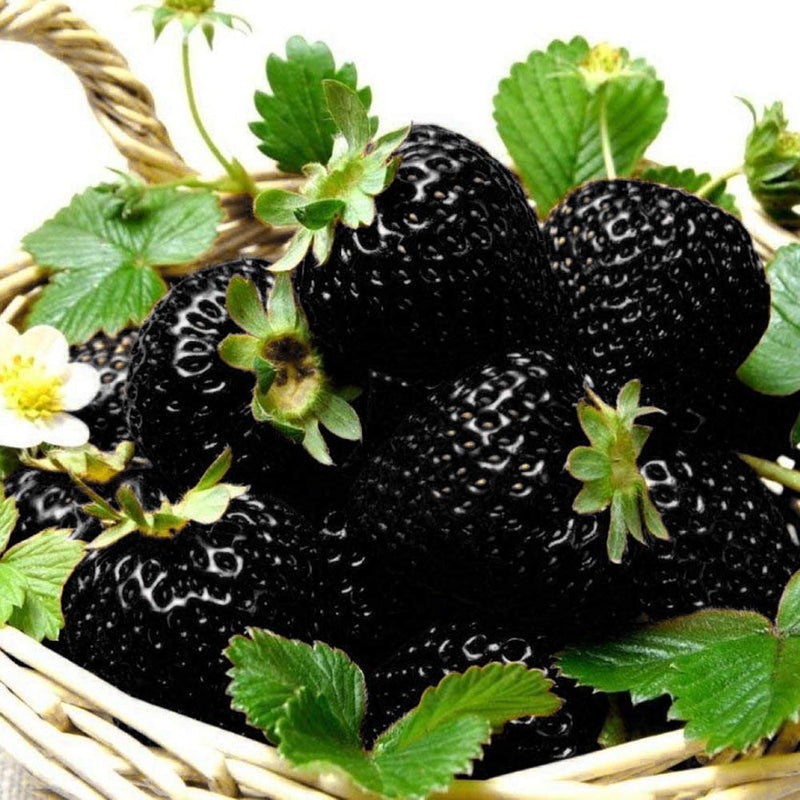
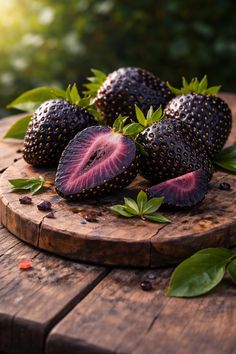
- Produces strawberry plants with distinctive dark-colored fruit when grown under suitable conditions.
- Compact plants are well suited to home gardens, containers, and raised beds.
- White flowers add seasonal charm before fruit development.
- Ideal for gardeners interested in unusual fruit varieties and edible landscapes.
- Enjoy fresh-picked strawberries in desserts, fruit salads, or garden-to-table recipes.
Growing Benefits
- Adds an unusual fruit variety to home gardening spaces.
- Suitable for containers, raised beds, and small garden areas.
- Offers an engaging growing experience from seed to fruit.
- Provides attractive plants with flowers followed by colorful fruit.
- Makes a fun addition to edible and ornamental garden displays.
Seed Specifications
- Common Name: Strawberry
- Botanical Name: Fragaria × ananassa or Fragaria species, depending on the seed line
- Plant Type: Perennial herbaceous fruit plant
- Colors: White flowers; fruit may develop a dark red to deep-colored appearance depending on variety
- Height: Usually about six to twelve inches
- Sunlight: Full sun to partial sun
- Soil: Fertile, well-drained, slightly acidic to neutral soil
- Water: Regular, consistent moisture without waterlogging
- Germination Time: Commonly around two to four weeks under suitable conditions
- Sowing Depth: Surface sow or barely cover with a thin layer of growing medium
- Spacing: Generally about twelve to eighteen inches between plants
- Growing Zones: Commonly grown across USDA Zones four through nine, depending on variety
- Flowering/Maturity: Flowers develop during the growing season; fruiting time varies by variety and growing conditions
- Uses: Fresh eating, desserts, fruit salads, preserves, containers, raised beds, and edible gardens
Growing Tips
- Start seeds in a clean, fine-textured seed-starting medium.
- Keep seeds moist and provide bright light after seedlings emerge.
- Avoid burying the tiny seeds deeply because they need light for germination.
- Transplant seedlings carefully once they have developed several true leaves.
Seed Storage
Keep unused seeds in a sealed, moisture-resistant container in a cool, dry, and dark location. Protect them from heat, humidity, and direct sunlight. Label the container with the variety and storage date.
Unique Facts About Seeds
- Strawberry seeds are the tiny structures visible on the outside of the fruit.
- Strawberries belong to the rose family, Rosaceae.
- Strawberry plants produce attractive white flowers that can develop into fruit after pollination.
- Strawberries can be grown in garden beds, containers, hanging planters, and other compact growing spaces.