


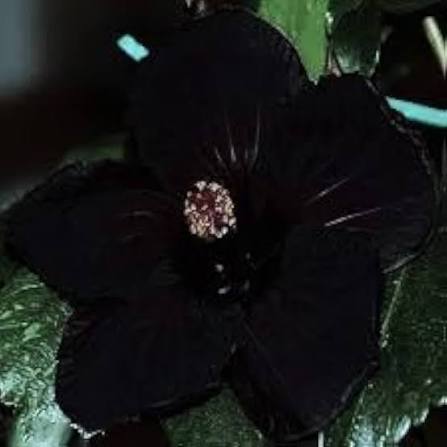
Grow Black Hibiscus from heirloom non-GMO seeds for dramatic dark-toned blooms and attractive green foliage. Ideal for containers, patios, borders, cottage gardens, tropical-style landscapes, and sunny ornamental spaces.
Key Features
- Produces dramatic deep burgundy to near-black appearing flowers, depending on variety.
- Heirloom, non-GMO flower seeds for ornamental gardening.
- Compact growth is suitable for containers, patios, and smaller garden spaces.
- Performs best in full sun with fertile, well-drained soil.
- Adds striking contrast to mixed flower beds and tropical-style displays.
- Suitable for warm-season garden landscapes and protected containers.
Growing Benefits
- Creates a bold focal point with dark-colored flowers.
- Compact varieties are suitable for patios, balconies, and container gardens.
- Attractive foliage adds texture between flowering periods.
- Works well in mixed borders and tropical-inspired landscapes.
- Provides seasonal ornamental interest throughout the warm growing period.
Seed Specifications
- Common Name: Black Hibiscus
- Botanical Name: Hibiscus spp.
- Plant Type: Flowering perennial or annual depending on species and climate
- Flower Color: Deep burgundy, dark red, or near-black appearing depending on variety
- Flower Shape: Large, showy, funnel-shaped blooms
- Foliage: Green, often glossy or lobed depending on species
- Growth Habit: Upright, branching, or compact depending on variety
- Sunlight: Full sun to partial shade
- Soil: Fertile, organically enriched, well-drained soil
- Water: Moderate to high during active growth
- Germination Time: Approximately 10–21 days under favorable conditions
- Sowing Depth: Approximately ¼ inch
- Spacing: Approximately 12–24 inches for compact forms; allow more room for larger varieties
- Growing Zones: Varies by species; many tropical hibiscus types are suited to USDA Zones 9–11
- Flowering: Summer through fall under suitable conditions
- Uses: Containers, patios, borders, cottage gardens, tropical-style landscapes, and ornamental flower beds
Growing Tips
- Confirm the botanical species or cultivar on the seed packet because “Black Hibiscus” is a descriptive common name rather than a single species.
- Soak hard-coated seeds in warm water for several hours before sowing if recommended for the specific species.
- Provide warm soil and consistent moisture during germination.
- Choose a sunny, sheltered location with fertile, well-drained soil.
- Protect young plants from cold temperatures.
- Remove faded flowers to maintain a neat appearance and encourage continued blooming.
Seed Storage
Store unused seeds in a cool, dry, dark location. Keep them sealed in their original packet or an airtight container away from moisture, heat, and direct sunlight.
Important Growing Note
“Black Hibiscus” is commonly used as a descriptive name for hibiscus varieties with very dark burgundy or red flowers. True jet-black flowers are uncommon. Verify the botanical name and cultivar associated with the seed packet before making specific variety claims.
Unique Facts
- Hibiscus belongs to the Malvaceae family, which also includes okra and cotton.
- Hibiscus flowers are known for their large, showy blooms and prominent central staminal columns.
- Flower colors range widely across different species and cultivars.
- Many tropical hibiscus types are grown as perennials in warm climates and as seasonal container plants in cooler regions.