Skip to product information
1 of 3

EdenValleySeeds

Berseem Clover Herb Seeds for Planting – Trifolium alexandrinum Garden Seeds

Berseem Clover Herb Seeds for Planting – Trifolium alexandrinum Garden Seeds

No reviews yet
Regular price $15.99 USD
Regular price Sale price $15.99 USD
Sale Sold out
size
Quantity
Free shipping on every order Order today and estimated delivery is Sep 15 – Sep 18
Ordered Aug 31
Order Ready Sep 02 – Sep 04
Delivered Sep 15 – Sep 18
✓ Secure checkout ✓ Carefully packed seeds ✓ Tracked delivery ✓ Quality-focused selection

Bundle & Save

Choose a bundle to unlock savings

Up to 20% off

Select a bundle to see your savings

View full details

Key Features

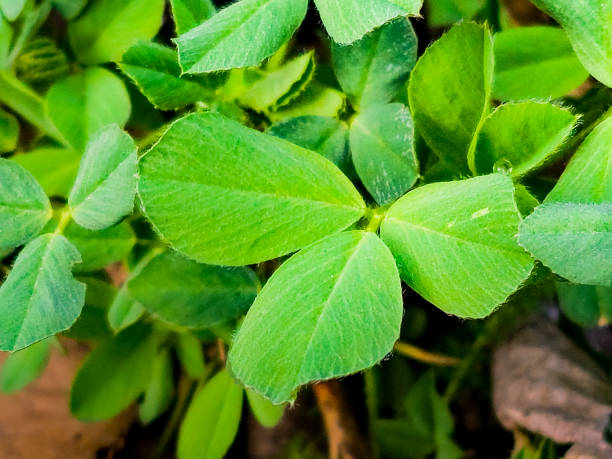
  • Cool-season annual clover known for its soft green foliage and rounded flower heads.
  • Produces attractive white to creamy flower clusters above leafy, upright growth.
  • Well suited for forage gardens, cover cropping, green manure, and soil improvement.
  • Thrives in fertile, well-drained soil with consistent moisture during active growth.
  • A useful legume for gardeners interested in traditional forage and cover-crop plants.

Growing Benefits

  • Adds useful legume growth to home gardens and agricultural plots.
  • Helps support soil fertility through natural nitrogen-fixing activity.
  • Provides leafy biomass that can be incorporated as green manure.
  • Offers attractive flowering growth that can benefit garden biodiversity.
  • Performs well as a cool-season cover or forage crop.

Seed Specifications

  • Common Name: Berseem Clover, Egyptian Clover, Alexandrian Clover
  • Botanical Name: Trifolium alexandrinum
  • Plant Type: Annual legume
  • Colors: Green foliage with white to creamy flowers
  • Height: About eighteen to thirty-six inches
  • Sunlight: Full sun
  • Soil: Fertile, well-drained soil with good moisture retention
  • Water: Regular moisture, especially during establishment
  • Germination Time: Usually about five to ten days under suitable conditions
  • Sowing Depth: About one-quarter to one-half inch deep
  • Spacing: About four to eight inches apart for established plants
  • Growing Zones: Best suited to mild winter and cool-season climates
  • Flowering/Maturity: Generally flowers during the cool growing season and can be harvested before or around flowering
  • Uses: Forage, cover cropping, green manure, soil improvement, and wildlife-friendly plantings

Growing Tips

  • Prepare a fine, weed-free seedbed before sowing for better seed-to-soil contact.
  • Keep the soil evenly moist during germination and early plant development.
  • Choose a sunny location with fertile soil for vigorous leafy growth.
  • Avoid excessive standing water because saturated soil can damage developing roots.

Seed Storage

Keep Berseem clover seeds in a cool, dry, dark location. Store them in an airtight container or sealed seed packet away from moisture, heat, and direct sunlight. Label the container for easy identification.

Unique Facts About Seeds

  • Berseem clover is also known as Egyptian clover and Alexandrian clover.
  • It is a legume that forms a symbiotic relationship with soil bacteria capable of fixing atmospheric nitrogen.
  • Unlike many perennial clovers, Berseem clover is primarily grown as an annual crop.
  • It is traditionally valued as a forage and green-manure crop in regions with suitable cool-season conditions.

Growing Instructions

Planting Season: Sow Berseem clover during the cool growing season. In mild climates, it is commonly planted in autumn for winter and spring growth. In colder regions, sow when soil conditions are suitable in spring.

Sowing: Prepare the soil by removing weeds and creating a fine seedbed. Scatter seeds evenly or sow them in shallow rows, then lightly cover with soil.

Depth: Plant approximately one-quarter to one-half inch deep. Avoid planting too deeply, as small seeds require good access to moisture and suitable conditions for emergence.

Spacing: Allow approximately four to eight inches between established plants. For cover cropping, seeds can be distributed more closely to create a dense stand.

Sunlight: Select a location receiving full sun. Good sunlight encourages strong leafy development and flowering.

Soil: Berseem clover prefers fertile, well-drained soil with adequate moisture. Improve poor soil with well-aged compost before planting.

Watering: Keep the soil consistently moist during germination and establishment. Once plants are established, provide additional water when conditions become dry.

Germination: Seeds generally emerge within about five to ten days when provided with suitable moisture, soil conditions, and temperatures.

Transplanting: Direct sowing is generally preferred because Berseem clover develops best when established directly in its growing location. If started in containers, transplant young seedlings carefully before they become root-bound.

Fertilizing: Avoid excessive nitrogen fertilizer because Berseem clover is a legume capable of obtaining nitrogen through its relationship with soil bacteria. Base any additional fertilization on soil conditions.

Care: Keep young plants free from competing weeds and maintain consistent moisture. Avoid prolonged waterlogging and monitor plants regularly for common garden pests or disease symptoms.

Flowering/Maturity: Berseem clover develops leafy growth during the cool season and produces rounded white to creamy flower heads as it matures. For forage or green-manure purposes, harvesting is commonly timed around the vegetative stage or before full flowering, depending on the intended use.