


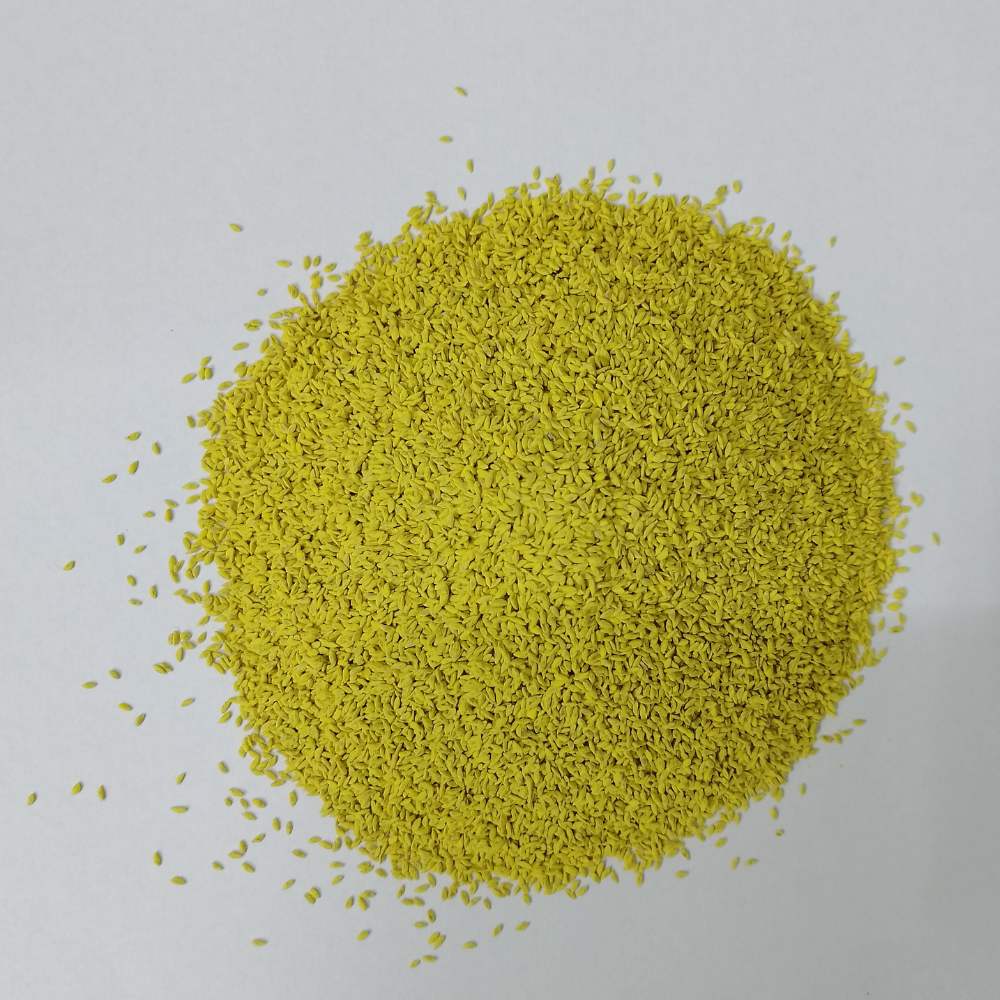
Key Features
- Warm-season Bermuda grass variety known for vigorous, spreading growth
- Produces a fine-textured, green lawn when grown under suitable conditions
- Ideal for sunny lawns, home landscapes, sports areas, and open garden spaces
- Performs best in warm climates with plenty of direct sunlight
- Spreads through stolons and rhizomes to create a dense turf over time
Growing Benefits
- Creates a durable lawn suitable for areas with regular foot traffic
- Excellent choice for warm-weather landscapes and sunny yards
- Spreading growth helps Bermuda grass fill open lawn areas
- Can develop a dense, attractive turf with proper mowing and watering
- Well suited to gardeners looking for a warm-season grass for lawn establishment
Seed Specifications
Common Name: Bermuda Grass
Botanical Name: Cynodon dactylon
Plant Type: Warm-season perennial turf grass
Colors: Green to deep green foliage
Height: Typically kept short through regular lawn mowing
Sunlight: Full sun
Soil: Well-drained, fertile soil; tolerates a range of soil types
Water: Moderate watering during establishment; water as needed once established
Germination Time: About seven to twenty-one days under suitable conditions
Sowing Depth: Very shallow sowing; press seeds lightly into the soil surface
Spacing: Broadcast evenly across the prepared lawn area
Growing Zones: Generally suited to USDA Zones seven through ten
Flowering/Maturity: Produces inconspicuous seed heads; lawn establishment develops through the warm growing season
Uses: Lawns, turf areas, landscapes, recreational spaces, and erosion-prone areas
Growing Tips
- Prepare the soil by removing weeds, debris, and large stones before sowing.
- Sow seeds very shallowly and gently press them into the soil for good seed-to-soil contact.
- Keep the soil consistently moist during germination without creating waterlogged conditions.
- Provide plenty of direct sunlight and mow regularly once the grass becomes established.
Seed Storage
Store unused Bermuda grass seeds in a cool, dry place away from direct sunlight and moisture. Keep the seeds in a tightly sealed container or their original package. Avoid areas exposed to heat, humidity, or fluctuating temperatures.
Unique Facts About Seeds
- Bermuda grass is a warm-season perennial grass that thrives during periods of warm weather.
- The plant spreads naturally through both above-ground stolons and underground rhizomes.
- Bermuda grass generally performs best in full sun and may become thin in heavily shaded areas.
- Its extensive spreading growth makes it widely valued as a turf and ground-cover grass in warm climates.