



Key Features
- Distinctive Grass Variety: Barnyard Grass, botanically known as Echinochloa crus-galli, is a vigorous annual grass.
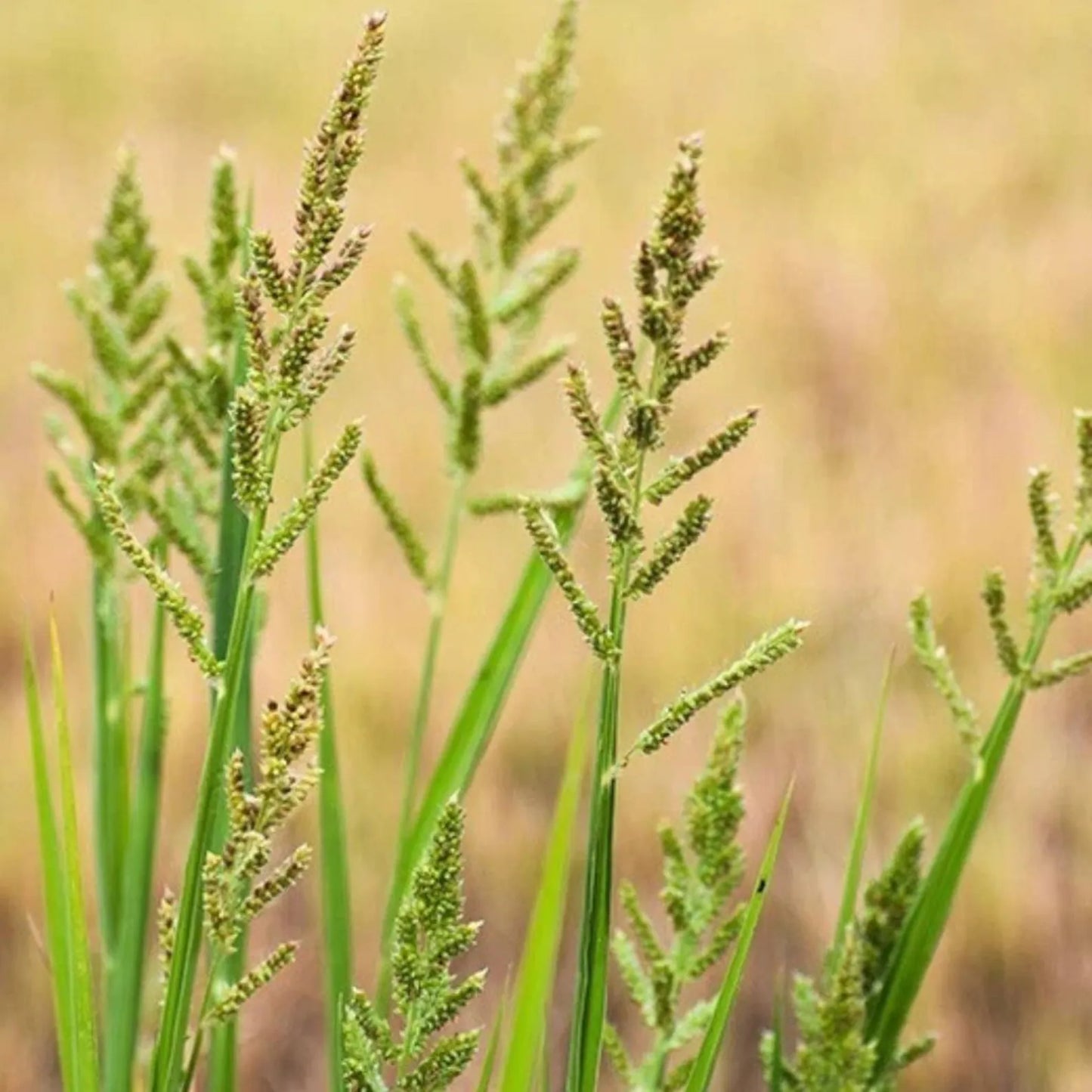
- Natural Green Growth: Produces upright leafy stems with green foliage and characteristic grass seed heads that may develop purplish tones.
- Garden & Landscape Interest: Suitable for naturalized areas, wildlife-oriented plantings, and educational garden projects.
- Adaptable Plant: Can grow in a range of soil conditions when adequate moisture and warmth are available.
- Recognizable Seed Heads: Develops branched seed heads that make the plant easy to identify as it matures.
Growing Benefits
- Adds natural grass texture and height to suitable garden spaces.
- Useful for gardeners interested in identifying and studying grass species.
- Grows readily in warm conditions when moisture is available.
- Can provide seed resources for some birds and other wildlife.
- Suitable for naturalized or educational planting areas where its vigorous growth can be managed.
Seed Specifications
- Common Name: Barnyard Grass, Cockspur Grass
- Botanical Name: Echinochloa crus-galli
- Plant Type: Annual grass
- Colors: Green foliage with green to purplish seed heads
- Height: Commonly grows around two to five feet, depending on growing conditions
- Sunlight: Full sun
- Soil: Moist, fertile, well-drained soil; tolerates a range of soil conditions
- Water: Moderate to regular moisture during establishment
- Germination Time: Usually about one to three weeks under suitable warm conditions
- Sowing Depth: Very shallow; press seeds onto the soil surface or cover lightly
- Spacing: Allow approximately six to twelve inches between plants where managed spacing is desired
- Growing Zones: Generally adaptable across a broad range of temperate and warm growing regions
- Flowering/Maturity: Seed heads generally develop during summer and mature toward late summer or fall
- Uses: Naturalized planting, educational gardens, grass identification, wildlife-oriented areas
Growing Tips
- Choose a sunny planting location with soil that can retain some moisture without remaining waterlogged.
- Sow seeds very shallowly because small grass seeds need good contact with the soil surface.
- Keep the planting area consistently moist during germination and early establishment.
- Manage growth regularly because Barnyard Grass is vigorous and can spread readily by seed.
Seed Storage
Store unused seeds in a cool, dry, dark location away from heat and humidity. Keep them in a tightly sealed, moisture-resistant container and label the container with the seed name and storage date. Avoid storing seeds in areas exposed to direct sunlight or fluctuating temperatures.
Unique Facts About Seeds
- Barnyard Grass is a member of the grass family, Poaceae.
- Echinochloa crus-galli is considered a highly adaptable and vigorous grass species.
- The plant produces distinctive seed heads containing numerous small seeds.
- Barnyard Grass can occur in disturbed ground, agricultural areas, roadsides, and moist habitats.