Skip to product information
1 of 3

EdenValleySeeds

Bael Tree Seeds for Planting – Heirloom Non-GMO Garden Seeds

Bael Tree Seeds for Planting – Heirloom Non-GMO Garden Seeds

No reviews yet
Regular price $18.89 USD
Regular price Sale price $18.89 USD
Sale Sold out
Size
Quantity
DELIVERY ESTIMATE
Oct 21 – Oct 23 Estimated arrival
ORDER Oct 11 Order placed
ORDER READY Oct 13 – Oct 14 2–3 business days
DELIVERED Oct 21 – Oct 23 10–12 business days total
Carefully packed and tracked from dispatch to delivery.
Secure checkout Carefully packed seeds Tracked delivery Quality-focused selection
View full details

Grow Bael from heirloom non-GMO seeds into a distinctive tropical and subtropical fruit tree with fragrant foliage and round fruits. Ideal for warm-climate gardens, orchards, containers while young, and home landscapes.

Key Features

  • Produces a distinctive woody tree with attractive green foliage.

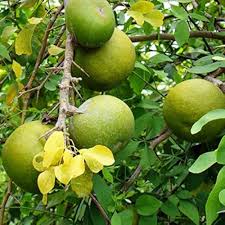
  • Develops fragrant flowers followed by round, hard-shelled fruits.

  • Heirloom, non-GMO seeds for home garden growing.

  • Ideal for warm-climate gardens, orchards, and spacious landscapes.

  • Performs best in full sun and well-drained soil.

  • Drought-tolerant once established under suitable growing conditions.

Growing Benefits

  • Adds a distinctive fruit tree to warm-climate landscapes.

  • Provides attractive foliage, fragrant flowers, and unusual fruits.

  • Works well in home orchards and spacious garden areas.

  • Offers an engaging long-term project for patient gardeners.

  • Can provide useful shade and structure as the tree matures.

Seed Specifications

  • Common Name: Bael, Bengal Quince, Wood Apple

  • Botanical Name: Aegle marmelos

  • Plant Type: Tropical and subtropical deciduous to semi-evergreen fruit tree

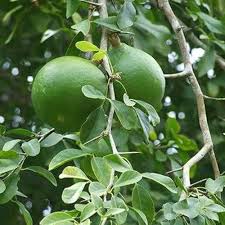
  • Fruit Color: Green when immature, yellowish or yellow-green when mature

  • Fruit Shape: Round to oval with a hard outer shell

  • Flower Color: Greenish-white to pale yellow

  • Flower Shape: Small, fragrant flowers

  • Foliage: Green, aromatic leaves divided into several leaflets

  • Growth Habit: Upright, branching, and tree-forming

  • Sunlight: Full sun

  • Soil: Well-drained, fertile to moderately fertile soil

  • Water: Moderate during establishment; relatively drought tolerant once established

  • Germination Time: Approximately 14–30 days under favorable conditions

  • Sowing Depth: Approximately ½ inch

  • Spacing: Approximately 15–25 feet or more for mature landscape trees

  • Growing Zones: Generally suited to warm USDA Zones 9–11; protect young plants from frost

  • Flowering/Maturity: Trees require several years to mature and may take multiple seasons before flowering and fruiting

  • Uses: Home orchards, warm-climate landscapes, fruit gardens, specimen planting, and large containers while young

Growing Tips

  • Sow fresh seeds in a warm, well-drained growing medium.

  • Choose a sunny permanent location with plenty of room for mature growth.

  • Keep young plants consistently watered while their root systems develop.

  • Protect seedlings from frost, strong cold, and prolonged wet soil.

Seed Storage

Store unused seeds in a cool, dry, dark location. Keep them sealed in their original packet or an airtight container away from moisture, heat, and direct sunlight. Fresh seed is generally preferable for reliable germination.

Important Growing Note

Bael is Aegle marmelos, a tropical and subtropical fruit tree that needs warmth and adequate growing space. Seed-grown trees can take several years to reach fruiting maturity, and fruit characteristics may vary among seedlings. In cooler climates, young trees require protection from frost.

Unique Facts

  • Bael belongs to the Rutaceae family, which also includes citrus plants.

  • The tree produces round fruits with a hard, woody outer shell.

  • Bael leaves are divided into multiple leaflets and have a distinctive aromatic character.

  • Fragrant flowers can appear before or around the beginning of fruit development.

  • Seed-grown Bael trees can become substantial landscape trees when grown in suitable climates.

Growing Instructions

Planting Season: Sow seeds during a warm growing period when temperatures remain mild. In cooler climates, start seeds indoors or in a protected growing area.

Sowing: Fill seed trays or small pots with a fertile, well-drained seed-starting mix. Sow seeds individually and cover lightly with growing medium.

Depth: Plant seeds approximately ½ inch deep.

Spacing: Transplant established seedlings into a permanent location with approximately 15–25 feet or more of space, depending on the expected mature size and local conditions.

Sunlight: Provide full sun for strong growth and healthy tree development.

Soil: Use fertile or moderately fertile soil with good drainage. Bael can tolerate a range of soil conditions but performs poorly where water remains stagnant.

Watering: Keep soil evenly moist during germination and early growth. Once established, water deeply when needed and allow the soil to dry somewhat between waterings.

Germination: Seeds commonly germinate within approximately 14–30 days under favorable conditions. Warmth, moisture, drainage, and seed freshness can influence germination speed.

Thinning: Keep the strongest seedlings and remove weaker or overcrowded plants to encourage healthy development.

Transplanting: Harden indoor-grown seedlings gradually before moving them outdoors. Transplant young trees carefully and avoid unnecessary disturbance of their roots.

Fertilizing: Incorporate compost or well-aged organic matter before planting. Feed established trees with a balanced fruit-tree fertilizer according to soil conditions and product directions.

Care: Keep weeds and competing vegetation away from young trees. Mulch around the root zone while keeping mulch away from direct contact with the trunk.

Flowering/Maturity: Bael is a slow-to-moderate growing fruit tree that requires several years to mature. Established trees can produce fragrant flowers followed by distinctive hard-shelled fruits.

Pruning: Remove damaged, crossing, or weak branches when necessary. Shape young trees gradually while allowing a strong central framework to develop.

Container Growing: Young Bael plants can be grown in large containers with excellent drainage. As the tree develops, move it to a larger container or permanent outdoor location where climate permits.

Winter Care: Protect young plants from frost and prolonged cold. In cooler regions, container-grown trees can be moved to a sheltered location during cold weather.

Harvesting: Allow mature fruits to develop fully on the tree. Harvest timing varies with climate and growing conditions; handle the hard-shelled fruits carefully after harvest.