Skip to product information
1 of 3

Eden Valley Seeds

Ashwagandha Nagori Seeds – Withania somnifera Medicinal Herb

Ashwagandha Nagori Seeds – Withania somnifera Medicinal Herb

Regular price $16.99 USD
Regular price Sale price $16.99 USD
Sale Sold out
size
Quantity

DELIVERY ESTIMATE

—

Estimated arrival

ORDER—Order placed
ORDER READY—Processing estimate
DELIVERED—Estimated delivery

♢

Secure checkout
Carefully packed seeds
Tracked delivery
Quality-focused selection
View full details

Key Features

  • Variety: Nagori Ashwagandha, a traditional variety of Indian medicinal herb.

  • Flower Color: Small greenish-yellow flowers followed by orange-red berries.

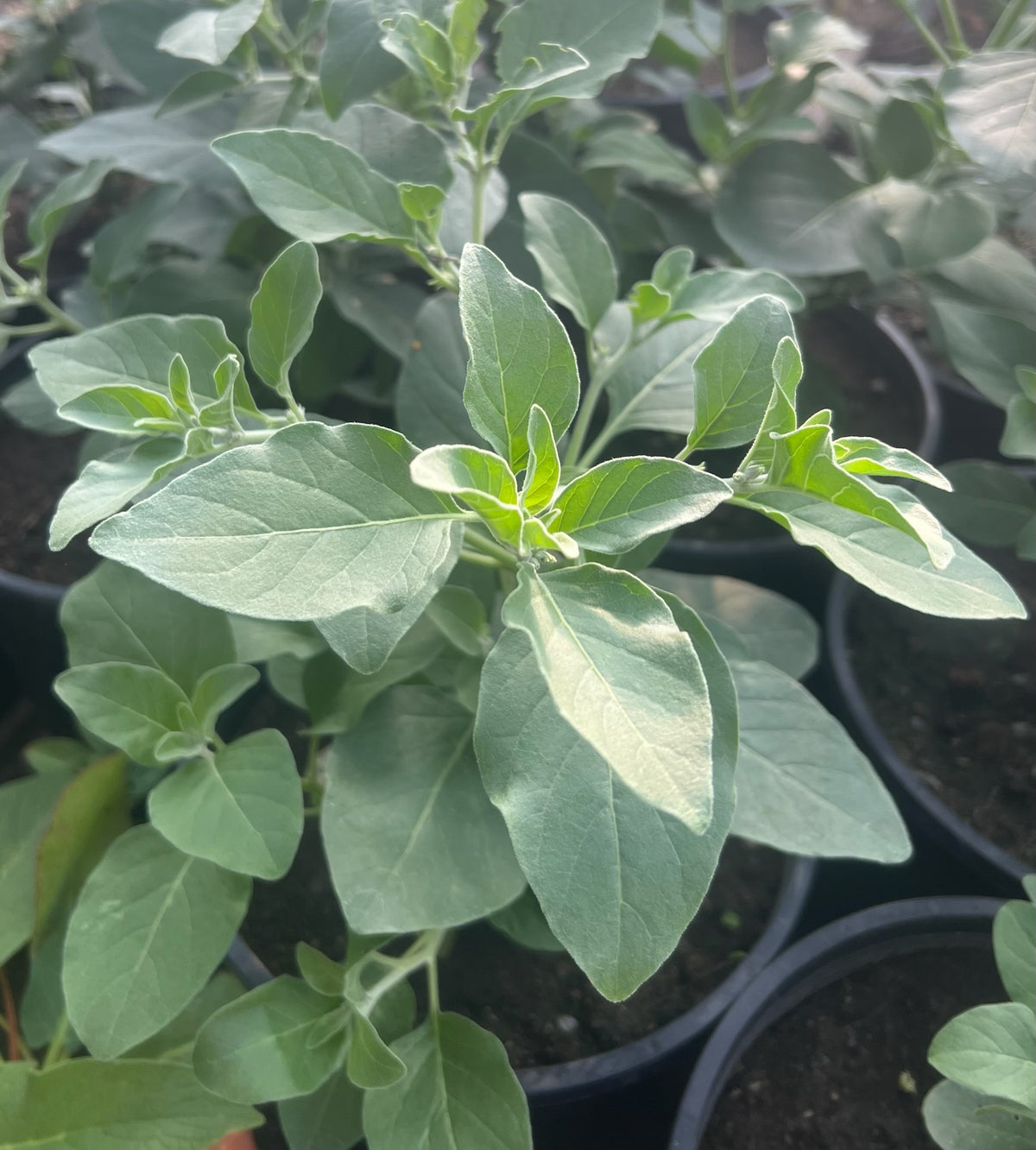
  • Plant Characteristics: Hardy, branching shrub with oval green leaves and fleshy roots.

  • Garden Uses: Suitable for herb gardens, medicinal plant collections, and home gardening.

  • Distinctive Roots: Develops thick, aromatic roots that are traditionally valued in herbal preparations.

Growing Benefits

  • Grow a traditional Indian medicinal herb in your home garden.

  • Adds an interesting shrub to herb and botanical gardens.

  • Offers an opportunity to explore traditional medicinal plant cultivation.

  • Produces attractive foliage, delicate flowers, and colorful berries.

  • Suitable for warm climates and well-drained garden spaces.

Seed Specifications

  • Common Name: Ashwagandha, Nagori, Indian Winter Cherry

  • Botanical Name: Withania somnifera

  • Plant Type: Perennial shrub, commonly cultivated as an annual.

  • Colors: Green foliage, greenish-yellow flowers, orange-red berries.

  • Height: Generally around 30–150 cm, depending on growing conditions.

  • Sunlight: Full sun.

  • Soil: Well-drained sandy loam or light soil.

  • Water: Moderate watering; avoid waterlogged soil.

  • Germination Time: Usually around 10–20 days under suitable warm conditions.

  • Sowing Depth: Approximately 0.5–1 cm.

  • Spacing: Around 30–60 cm between plants.

  • Growing Zones: Best suited to warm climates; sensitive to frost.

  • Flowering/Maturity: Flowers and berries develop during the growing season; roots are generally harvested after several months.

  • Uses: Traditional herbal cultivation, botanical gardens, and medicinal plant collections.

Growing Benefits

Ashwagandha is valued in traditional Ayurvedic practices. Growing the plant provides an opportunity to learn about its botanical characteristics and traditional cultivation. It is not a substitute for medical treatment, and growing the plant does not establish the safety or effectiveness of any medicinal preparation.

Growing Tips

  • Sow seeds in warm soil to encourage healthy germination.

  • Choose a sunny location with good air circulation.

  • Avoid overwatering because excessive moisture can damage developing roots.

  • Keep weeds under control to reduce competition for nutrients and space.

Seed Storage

Store Ashwagandha seeds in a cool, dry, and dark location. Use an airtight container to protect them from moisture and humidity. Keep away from direct sunlight and excessive heat to help maintain seed viability.

Unique Facts About Ashwagandha Seeds

  • Traditional Herb: Ashwagandha has a long history of use in traditional Ayurvedic herbal practices.

  • Distinctive Botanical Name: The name Withania somnifera refers to this well-known member of the nightshade family.

  • Colorful Berries: The plant produces small orange-red berries enclosed in papery coverings called calyxes.

  • Valued Roots: Its roots are traditionally used in herbal preparations and are the most recognized part of the plant.

Growing Instructions

Planting Season

Sow Ashwagandha seeds during warm weather. Spring and early summer are suitable in many regions, while warmer Indian climates may allow sowing during favorable local growing seasons.

Seed Sowing and Preparation

Use fresh, healthy seeds and prepare a well-drained nursery bed or seed-starting tray. Sow seeds directly into moist growing medium or start them in small containers.

Sowing Depth and Spacing

Cover seeds lightly with approximately half a centimeter of soil. Once seedlings develop, thin or transplant them to maintain adequate spacing, allowing around thirty to sixty centimeters between plants.

Sunlight Requirements

Choose a location receiving full sunlight. Good sunlight encourages healthy foliage and supports flowering and berry development.

Soil Requirements

Ashwagandha grows well in loose, well-drained sandy loam. Avoid heavy clay soil and locations where water collects around the roots.

Watering

Water gently after sowing and maintain light moisture during germination. Once established, the plant tolerates relatively dry conditions. Avoid frequent heavy watering and waterlogged soil.

Germination

Seeds generally germinate within approximately ten to twenty days under favorable warm and moist conditions. Germination may take longer depending on seed quality, temperature, and moisture.

Transplanting

If started in trays, transplant seedlings when they are strong enough to handle. Move them carefully into prepared garden soil, keeping the roots undisturbed as much as possible.

Fertilizing

Use well-decomposed compost before planting to improve soil structure. Avoid excessive nitrogen fertilizer, which can encourage leafy growth at the expense of balanced plant development.

Plant Care

Remove competing weeds and provide sufficient space for healthy growth. Monitor for common garden pests and avoid excessive irrigation, particularly during humid weather.

Flowering and Maturity

Ashwagandha produces small greenish-yellow flowers followed by orange-red berries. Plants generally reach root-harvest maturity after several months, depending on climate and growing conditions.

Harvesting

The roots are traditionally harvested when the plant reaches maturity and begins showing signs of natural aging. Clean harvested roots carefully and dry them thoroughly before storage. Do not consume or prepare medicinal products without appropriate professional guidance.