Skip to product information
1 of 3

Eden Valley Seeds

Artemisia annua Seeds – Qinghao, Sweet Annie Medicinal Herb

Artemisia annua Seeds – Qinghao, Sweet Annie Medicinal Herb

Regular price $16.99 USD
Regular price Sale price $16.99 USD
Sale Sold out
size
Quantity

DELIVERY ESTIMATE

—

Estimated arrival

ORDER—Order placed
ORDER READY—Processing estimate
DELIVERED—Estimated delivery

♢

Secure checkout
Carefully packed seeds
Tracked delivery
Quality-focused selection
View full details

Key Features

  • Plant Variety: Artemisia annua, commonly known as sweet wormwood, Qinghao, or Sweet Annie.

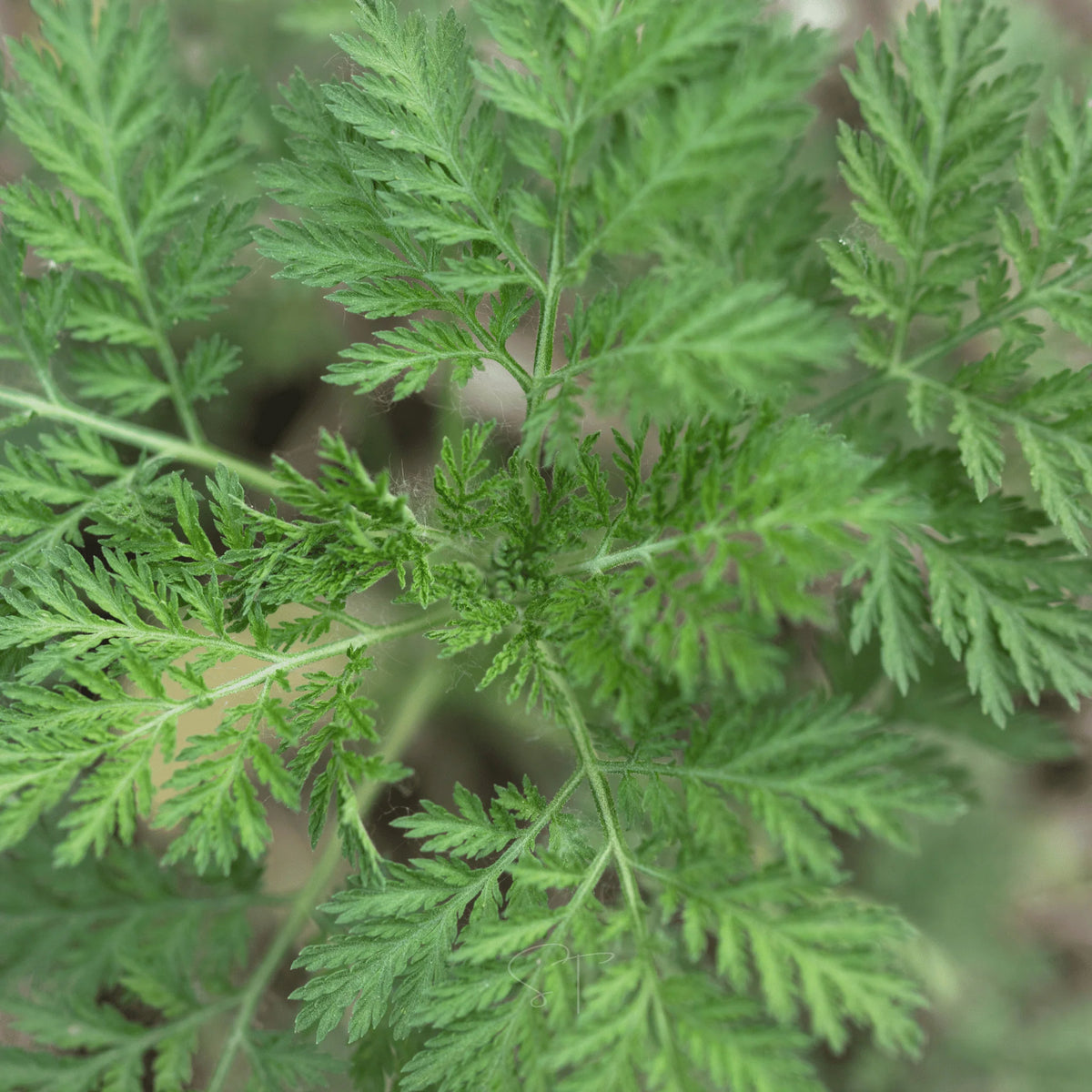
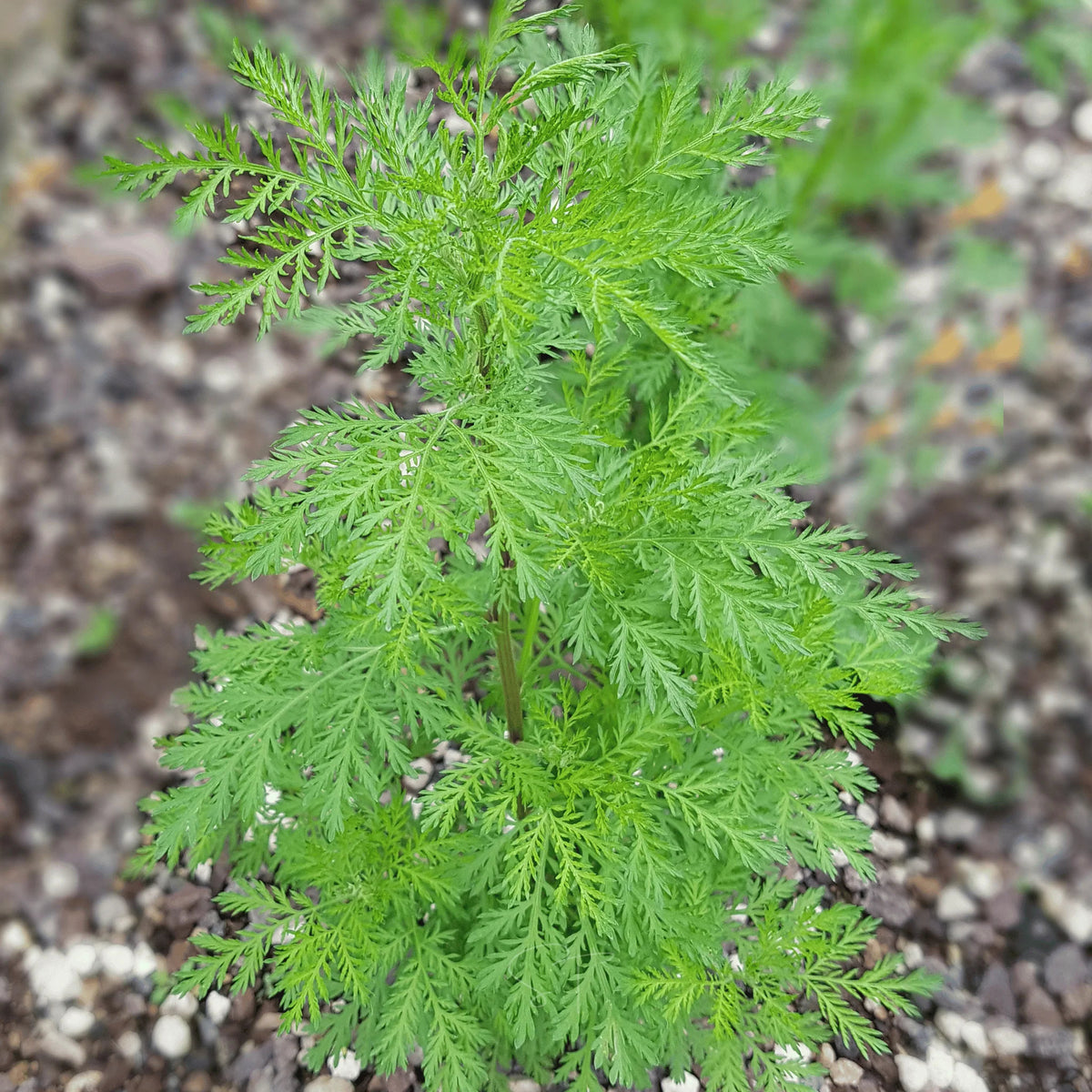
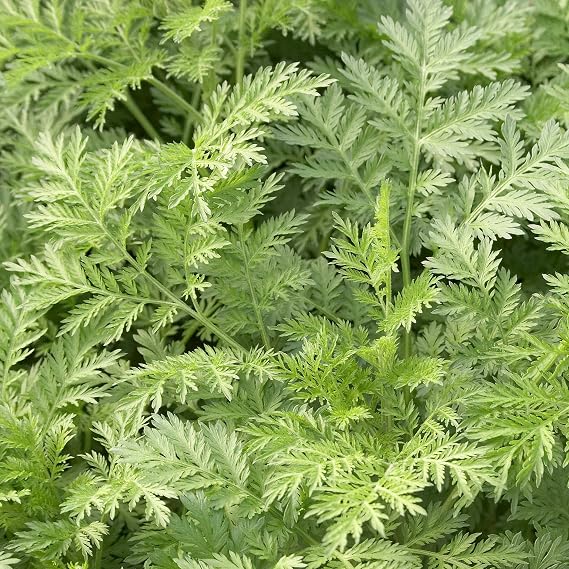
  • Foliage: Finely divided, delicate green leaves with a distinctive aromatic scent.

  • Plant Characteristics: Fast-growing annual herb with an upright, branching growth habit.

  • Garden Uses: Suitable for herb gardens, educational gardens, and ornamental planting.

  • Unique Features: Produces clusters of small, yellowish flower heads as the plant matures.

Growing Benefits

  • Adds fine-textured foliage and natural fragrance to herb gardens.

  • Offers an interesting plant for botanical learning and garden exploration.

  • Grows readily in sunny locations with suitable soil and drainage.

  • Provides delicate foliage that adds texture to mixed garden plantings.

  • Supports an opportunity to learn about traditional botanical history.

Seed Specifications

  • Common Name: Qinghao, Sweet Annie, Sweet Wormwood

  • Botanical Name: Artemisia annua

  • Plant Type: Annual herb

  • Colors: Green foliage with small yellowish flower heads.

  • Height: Commonly around three to six feet, depending on growing conditions.

  • Sunlight: Full sun.

  • Soil: Well-drained, moderately fertile soil.

  • Water: Moderate watering; avoid waterlogged soil.

  • Germination Time: Often around one to three weeks under suitable conditions.

  • Sowing Depth: Surface-sow or cover very lightly, as seeds need light to germinate well.

  • Spacing: Allow approximately twelve to twenty-four inches between plants, adjusting for available space and growing conditions.

  • Growing Zones: Generally grown as a warm-season annual; suitability depends on local climate.

  • Flowering/Maturity: Typically flowers in late summer or autumn, depending on sowing date and climate.

  • Uses: Ornamental gardening, botanical education, and traditional plant-history study. It is not a substitute for medical treatment.

Growing Tips

  • Sow seeds on the soil surface or cover them with only a very thin layer of fine soil.

  • Choose a sunny location with good air circulation and well-drained soil.

  • Keep the soil lightly moist during germination without allowing it to become waterlogged.

  • Thin seedlings as they grow to provide enough space for healthy branching.

Seed Storage

Store seeds in a cool, dry, dark place in an airtight container. Keep them away from moisture, direct sunlight, and excessive heat. Label the container with the plant name and storage date, and follow any supplier-specific storage instructions.

Unique Facts About Seeds

  • Botanical heritage: Artemisia annua belongs to the daisy family, Asteraceae.

  • Distinctive foliage: Its finely divided leaves create a delicate, fern-like appearance.

  • Aromatic plant: The foliage contains naturally occurring aromatic compounds that contribute to its characteristic scent.

  • Scientific importance: The plant is the natural source of artemisinin, a compound used in the development of important antimalarial medicines. Growing the plant or using homemade preparations is not a safe substitute for approved treatment.

Growing Instructions

Planting Season

Sow seeds in spring after the risk of frost has passed, or start them indoors earlier in a warm, bright location. In tropical and subtropical climates, choose a suitable mild-weather period when seedlings can establish without extreme heat or waterlogging.

Sowing and Seed Depth

Use a fine-textured seed-starting mix in a clean tray or pot. Scatter the tiny seeds across the surface and press them gently into the mix. Cover them only very lightly, because light helps support germination. Avoid burying the seeds deeply.

Spacing

Once seedlings develop several true leaves, thin or transplant them to allow adequate room for mature growth. Space plants according to their expected size, local climate, and available garden area.

Sunlight and Soil

Choose a location receiving full sunlight for most of the day. Use loose, well-drained soil with moderate fertility. Avoid heavy, compacted soil that remains saturated after watering.

Watering and Germination

Mist the soil gently to prevent tiny seeds from washing away. Keep the surface consistently moist during germination without soaking it. Seeds often sprout within one to three weeks under suitable warmth, moisture, and light, although results vary.

Transplanting

If seeds are started indoors, transplant seedlings after they develop true leaves and outdoor conditions are suitable. Handle young plants carefully to minimize root disturbance. Harden off indoor-grown seedlings gradually before moving them outdoors.

Fertilizing and Plant Care

Prepare the planting area with mature compost if the soil needs improvement. Excessive fertilizer can encourage leafy growth at the expense of balanced development, so use additional fertilizer only when needed. Remove weeds, maintain airflow, and monitor plants for pests and signs of stress.

Flowering and Maturity

Sweet Annie generally develops an upright, branching form and produces small yellowish flower heads later in the growing season. Flowering time depends on climate, sowing date, and growing conditions. Allow sufficient space for mature plants.

Important Safety Note:-

Although Artemisia annua has a history of traditional use and pharmaceutical importance, these seeds are intended for growing the plant. Do not use homemade plant preparations to prevent or treat malaria or other illnesses. Artemisinin-based combination therapies recommended by qualified healthcare professionals are the established treatment for malaria.