



Key Features
-
Variety: Aromatic Aster, a native North American perennial wildflower.
-
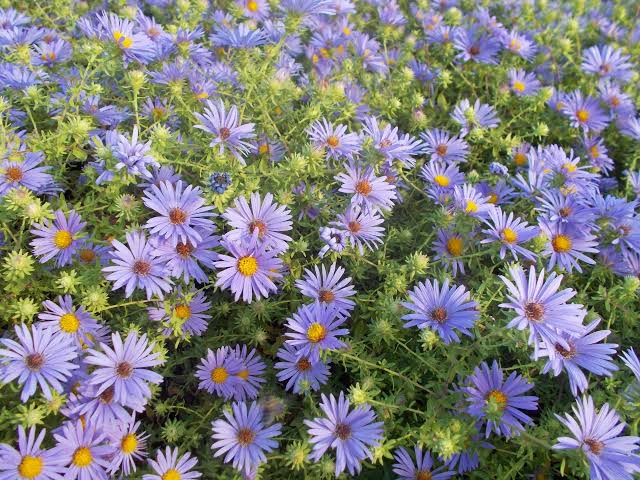
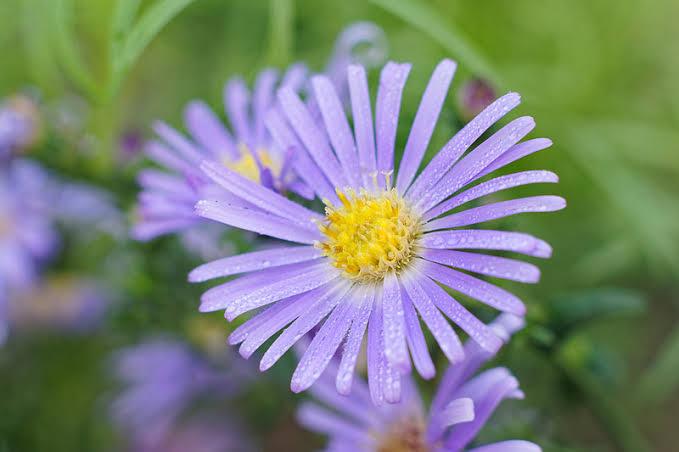
Flower Colors: Produces attractive lavender-blue to violet flowers with yellow centers.
-
Plant Characteristics: Forms a bushy, branching plant with narrow, aromatic green leaves.
-
Garden Uses: Suitable for wildflower gardens, cottage gardens, borders, and pollinator-friendly landscapes.
-
Unique Features: Late-season blooms provide valuable nectar for bees and butterflies.
Growing Benefits
-
Adds beautiful late-season color to gardens and natural landscapes.
-
Attracts beneficial pollinators, including bees and butterflies.
-
Provides a charming perennial addition to cottage-style gardens.
-
Tolerates relatively dry conditions once established.
-
Supports native wildflower planting and biodiversity in suitable regions.
Seed Specifications
-
Common Name: Aromatic Aster, Sky Blue Aster
-
Botanical Name: Symphyotrichum oblongifolium (synonym: Aster oblongifolius)
-
Plant Type: Herbaceous perennial flowering plant
-
Colors: Lavender-blue to violet petals with yellow centers.
-
Height: Approximately one to two feet, depending on growing conditions.
-
Sunlight: Full sun; tolerates partial shade.
-
Soil: Well-drained soil; adaptable to sandy, rocky, and average garden soils.
-
Water: Moderate during establishment; relatively drought-tolerant once established.
-
Germination Time: Variable depending on seed freshness, temperature, and growing conditions.
-
Sowing Depth: Surface sow or lightly cover with a thin layer of soil.
-
Spacing: Allow approximately 18–24 inches between established plants.
-
Growing Zones: Generally USDA Zones 4–7.
-
Flowering/Maturity: Typically blooms from late summer through fall.
-
Uses: Ornamental gardens, pollinator gardens, native landscapes, and traditional botanical gardens.
Growing Tips
-
Choose a sunny location with good soil drainage.
-
Keep the seed-starting medium lightly moist during germination.
-
Avoid excessive watering once plants become established.
-
Allow enough room for mature plants to spread naturally.
Seed Storage
Store seeds in a cool, dry, and dark location. Keep them in an airtight container or sealed seed packet away from humidity and direct sunlight. Label the container with the plant name and storage date.
Unique Facts About Aromatic Aster
-
Aromatic Foliage: Its leaves release a balsam-like fragrance when crushed.
-
Late-Season Blooms: It flowers in fall when many other garden plants have finished blooming.
-
Pollinator Attraction: Its flowers provide nectar and pollen for native bees, butterflies, and other beneficial insects.
-
Natural Spreading Habit: The plant spreads through horizontal stems called stolons, gradually forming attractive flowering patches.