


Key Features
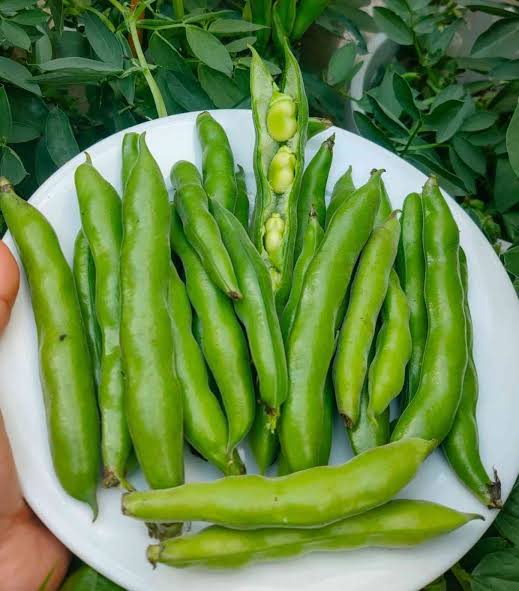
- Traditional Aquadulce fava bean variety with flavorful green pods and beans
- Upright plants produce long pods containing several edible beans
- Cool-season vegetable suited to home gardens, raised beds, and containers
- Attractive white flowers feature distinctive dark markings
- Excellent choice for fresh eating, cooking, and vegetable garden harvests
Growing Benefits
- Adds a productive cool-season crop to the home vegetable garden
- Provides fresh fava beans for a variety of homemade dishes
- Attractive flowers add seasonal interest to edible gardens
- Suitable for gardeners looking to grow traditional broad beans
- Can be grown in garden beds, raised beds, or suitable containers
Seed Specifications
- Common Name: Aquadulce Fava Bean, Broad Bean, Fava Bean
- Botanical Name: Vicia faba
- Plant Type: Cool-season annual legume
- Colors: Green pods, cream to green beans, white flowers with dark markings
- Height: Approximately three to five feet
- Sunlight: Full sun to partial shade
- Soil: Fertile, well-drained soil with good moisture retention
- Water: Regular watering; keep soil evenly moist without waterlogging
- Germination Time: Approximately seven to fourteen days
- Sowing Depth: Approximately one to two inches
- Spacing: Approximately six to eight inches apart
- Growing Zones: Generally suitable for USDA Zones three through eleven, depending on seasonal conditions
- Flowering/Maturity: Flowers in spring; harvest commonly begins around three to four months after sowing, depending on conditions
- Uses: Fresh eating, cooking, soups, stews, salads, and vegetable gardens
4 Growing Tips
- Sow seeds directly into well-drained soil because fava beans dislike root disturbance.
- Choose a sunny location with fertile soil and good air circulation.
- Water consistently during flowering and pod development, especially during dry weather.
- Provide support for taller plants if strong winds or heavy pods cause them to lean.
Seed Storage
Store unused seeds in a cool, dry, dark location. Keep them in an airtight container away from moisture, heat, and direct sunlight. Label the container with the variety and storage date.
Unique Facts About Seeds
- Aquadulce is a well-known broad bean type valued for its long pods and reliable cool-season growth.
- Fava beans belong to the legume family and are related to peas and other beans.
- The plant produces fragrant-looking white flowers marked with dark coloration that attract pollinating insects.
- Fava beans can tolerate cooler growing conditions better than many warm-season bean varieties.