


Key Features
-
Traditional Herb: Angelica archangelica is a tall, aromatic herb traditionally grown in herb gardens.
-
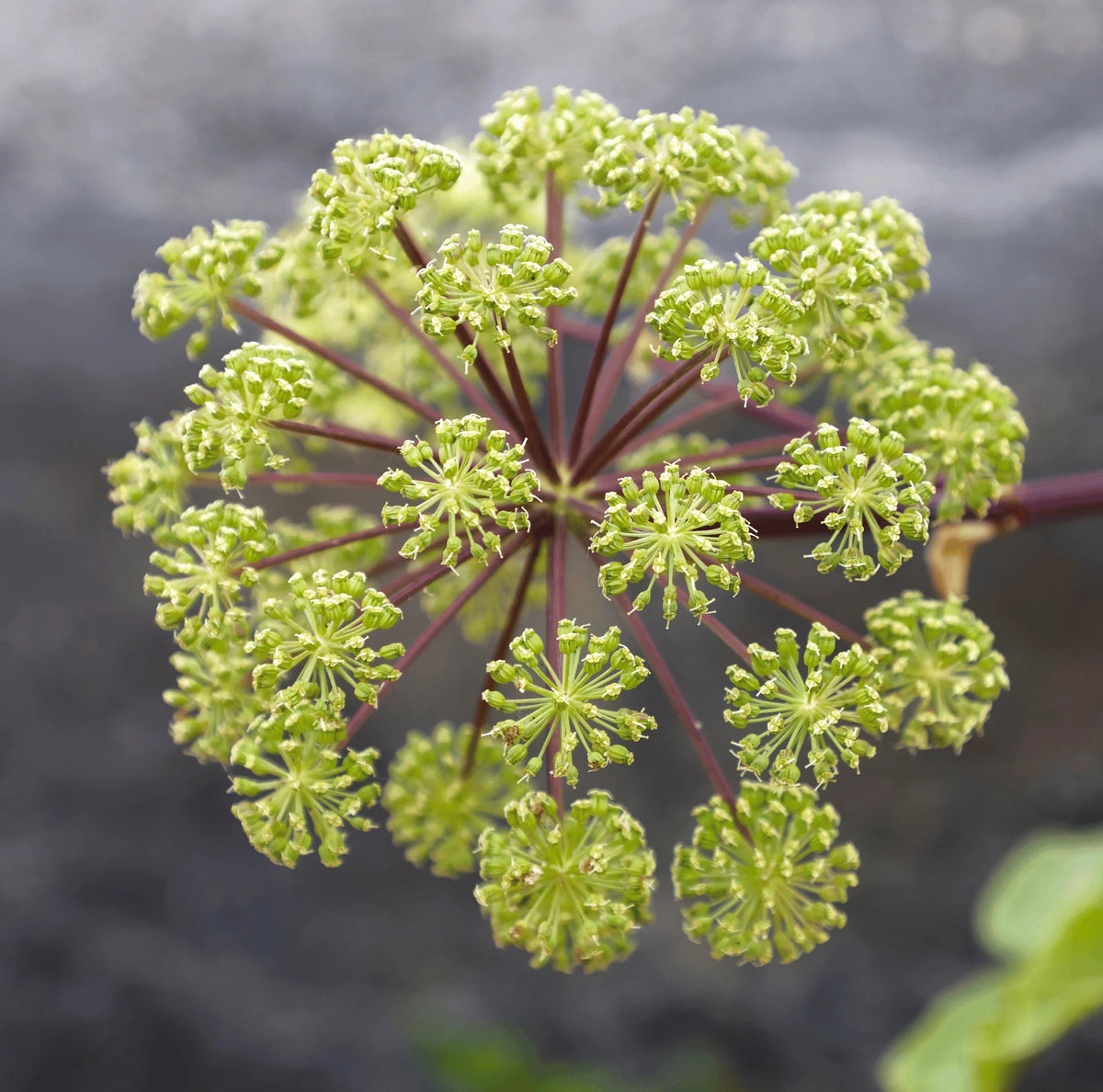
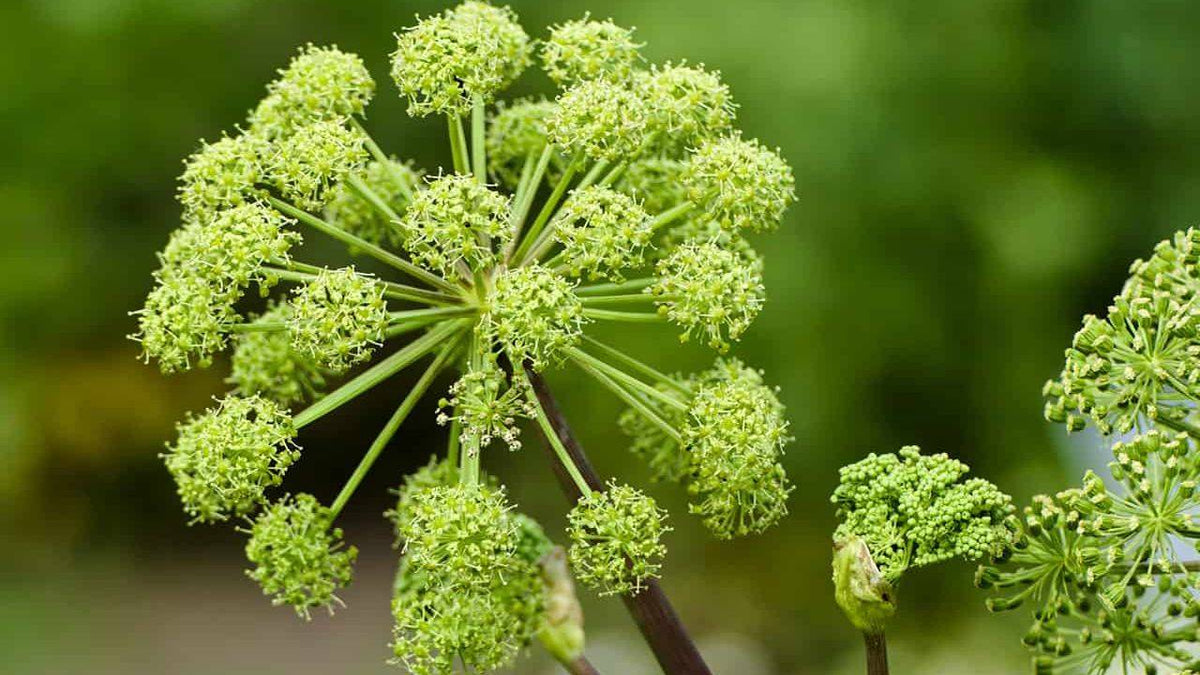
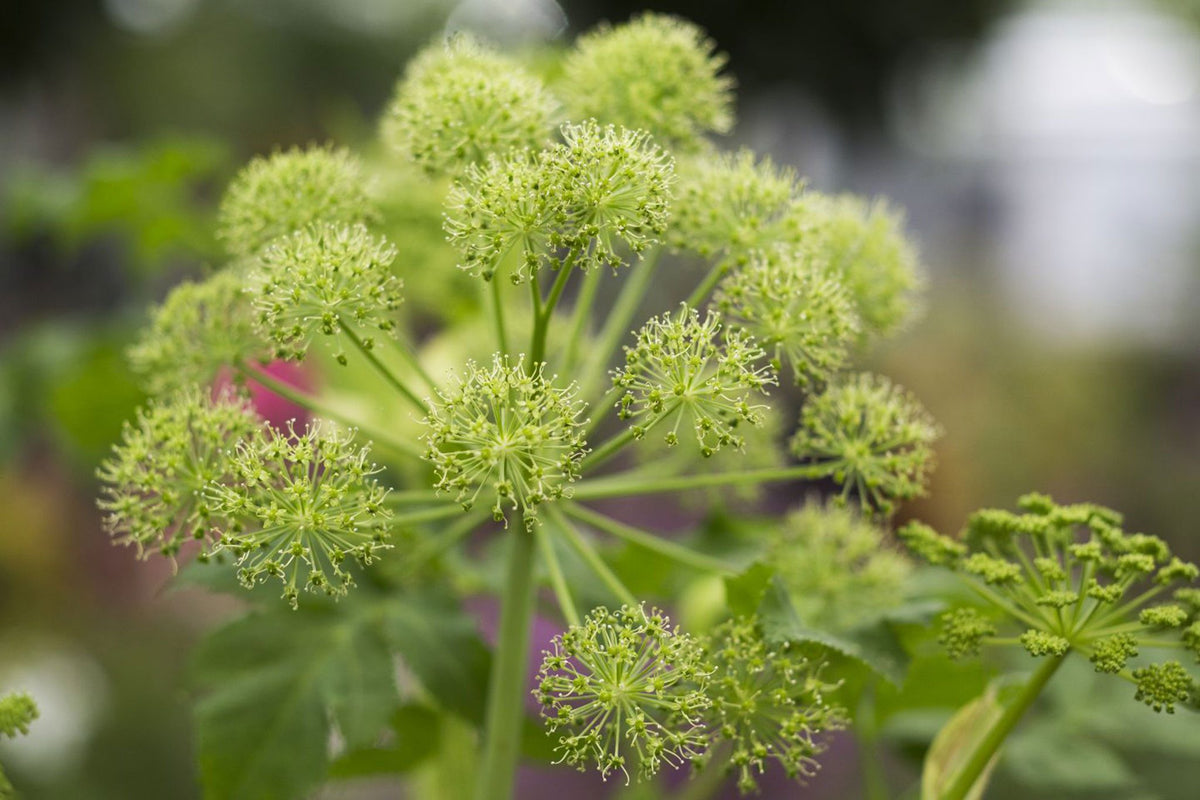
Distinctive Appearance: Features large, divided green leaves and rounded clusters of greenish-white flowers.
-
Tall Growth Habit: Produces sturdy stems and impressive foliage, adding structure to garden beds.
-
Garden Uses: Suitable for herb gardens, cottage gardens, and pollinator-friendly planting areas.
-
Traditional Interest: Historically valued as a culinary and aromatic herb, with different plant parts used traditionally.
Growing Benefits
-
Adds height and attractive foliage to traditional herb gardens.
-
Brings a distinctive botanical character to cottage-style garden spaces.
-
Provides flower clusters that can attract bees and other beneficial pollinators.
-
Offers an interesting growing experience for gardeners exploring traditional herbs.
-
Creates opportunities to learn about historic culinary and botanical plant uses.
Seed Specifications
-
Common Name: Official Angelica, Garden Angelica, Wild Celery
-
Botanical Name: Angelica archangelica
-
Plant Type: Biennial or short-lived perennial herb, depending on growing conditions.
-
Colors: Green foliage with greenish-white flowers.
-
Height: Commonly around four to six feet, sometimes taller in favorable conditions.
Growing Tips
-
Sow fresh seeds when possible, as angelica seeds can lose viability during storage.
-
Provide moist, fertile soil and a location with morning sun or partial shade in warmer climates.
-
Keep the soil evenly moist throughout germination and early growth.
-
Choose a permanent planting location because mature angelica develops a substantial root system.
Seed Storage
Store seeds in a cool, dry, dark place in a sealed container. Label the container with the seed name and storage date. Angelica seeds are often short-lived, so fresh seeds are preferable. Avoid heat, humidity, and direct sunlight.
Unique Facts About Angelica Seeds
-
Cold exposure can help: Angelica seeds often benefit from a period of cold, moist conditions to encourage germination.
-
Aromatic plant: The leaves, stems, and roots have a distinctive aromatic character.
-
Historic herb: Angelica has a long history of culinary and traditional herbal use in Europe.
-
Biennial growth cycle: Plants commonly produce leafy growth in the first year and flower in the following year before setting seed and dying.