Skip to product information
1 of 2

Eden Valley Seeds

Angelica Archangelica Seeds – Official Medicinal Herb for Cottage Gardens

Angelica Archangelica Seeds – Official Medicinal Herb for Cottage Gardens

Regular price $16.99 USD
Regular price Sale price $16.99 USD
Sale Sold out
size
Quantity

DELIVERY ESTIMATE

—

Estimated arrival

ORDER—Order placed
ORDER READY—Processing estimate
DELIVERED—Estimated delivery

♢

Secure checkout
Carefully packed seeds
Tracked delivery
Quality-focused selection
View full details

Key Features

  • Traditional Herb: Angelica archangelica is a tall, aromatic herb traditionally grown in herb gardens.

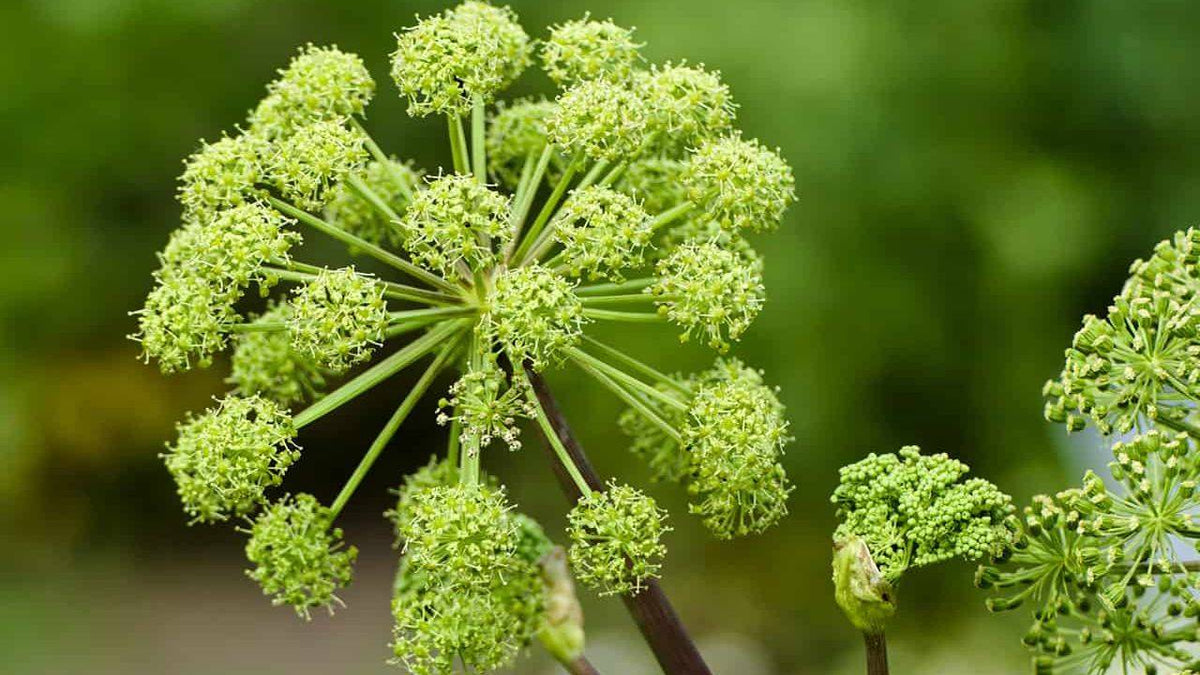
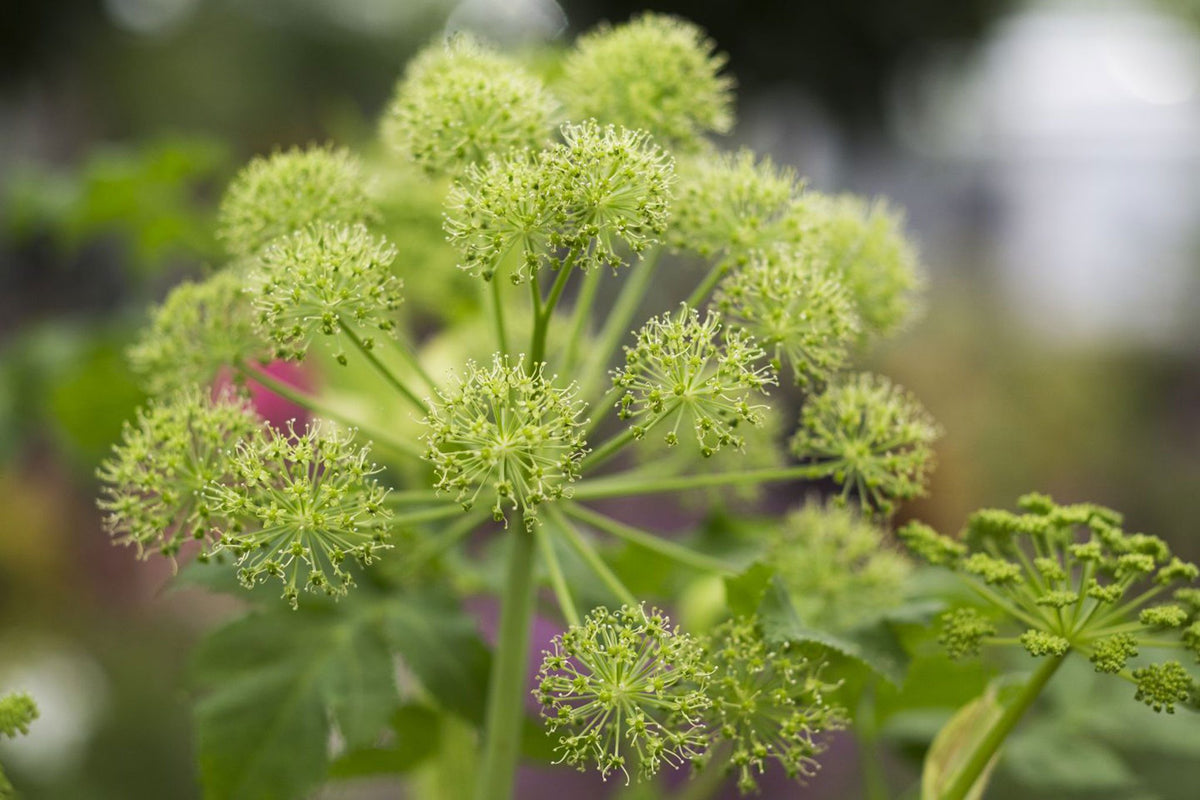
  • Distinctive Appearance: Features large, divided green leaves and rounded clusters of greenish-white flowers.

  • Tall Growth Habit: Produces sturdy stems and impressive foliage, adding structure to garden beds.

  • Garden Uses: Suitable for herb gardens, cottage gardens, and pollinator-friendly planting areas.

  • Traditional Interest: Historically valued as a culinary and aromatic herb, with different plant parts used traditionally.

Growing Benefits

  • Adds height and attractive foliage to traditional herb gardens.

  • Brings a distinctive botanical character to cottage-style garden spaces.

  • Provides flower clusters that can attract bees and other beneficial pollinators.

  • Offers an interesting growing experience for gardeners exploring traditional herbs.

  • Creates opportunities to learn about historic culinary and botanical plant uses.

Seed Specifications

  • Common Name: Official Angelica, Garden Angelica, Wild Celery

  • Botanical Name: Angelica archangelica

  • Plant Type: Biennial or short-lived perennial herb, depending on growing conditions.

  • Colors: Green foliage with greenish-white flowers.

  • Height: Commonly around four to six feet, sometimes taller in favorable conditions.

Growing Tips

  • Sow fresh seeds when possible, as angelica seeds can lose viability during storage.

  • Provide moist, fertile soil and a location with morning sun or partial shade in warmer climates.

  • Keep the soil evenly moist throughout germination and early growth.

  • Choose a permanent planting location because mature angelica develops a substantial root system.

Seed Storage

Store seeds in a cool, dry, dark place in a sealed container. Label the container with the seed name and storage date. Angelica seeds are often short-lived, so fresh seeds are preferable. Avoid heat, humidity, and direct sunlight.

Unique Facts About Angelica Seeds

  • Cold exposure can help: Angelica seeds often benefit from a period of cold, moist conditions to encourage germination.

  • Aromatic plant: The leaves, stems, and roots have a distinctive aromatic character.

  • Historic herb: Angelica has a long history of culinary and traditional herbal use in Europe.

  • Biennial growth cycle: Plants commonly produce leafy growth in the first year and flower in the following year before setting seed and dying.

Growing Instructions

Planting Season

Sow seeds in autumn or early spring, depending on your climate. Autumn sowing allows natural winter conditions to provide cold exposure. In warmer regions, use a suitable cold-stratification method before spring sowing.

Sowing and Seed Preparation

Angelica seeds are best sown fresh. If spring sowing is planned, cold-moist stratification may improve germination. Place seeds in a clean, slightly moist growing medium under refrigeration for a suitable period, checking seed supplier guidance for timing.

Sowing Depth and Spacing

Sow seeds on the surface of moist seed-starting compost and cover them very lightly with fine compost. Angelica seeds need light exposure for reliable germination, so avoid burying them deeply. Once seedlings are established, thin or transplant them approximately eighteen to twenty-four inches apart, allowing space for mature growth.

Sunlight and Soil

Choose a location with full sun in cooler climates or partial shade where summers are hot. Angelica grows best in fertile, moisture-retentive, well-drained soil rich in organic matter. Avoid areas that become completely waterlogged.

Watering and Germination

Keep the soil consistently moist without saturating it. Germination can be slow and irregular, often taking several weeks depending on temperature, seed freshness, and pretreatment. Avoid letting the seedbed dry out during this period.

Transplanting

Transplant seedlings while they are still young, taking care not to disturb their developing roots. Angelica develops a substantial root system, so move seedlings to their permanent location early rather than repeatedly transplanting mature plants.

Fertilizing and Plant Care

Prepare the soil with mature compost before planting. During active growth, use a balanced garden fertilizer if the soil requires additional nutrients. Remove damaged leaves and keep the surrounding soil free of competing weeds. Mulching can help maintain consistent moisture.

Flowering and Maturity

Angelica commonly develops a large leafy plant during its first growing season and produces tall flowering stems with rounded flower clusters in the following season. After flowering and seed production, the plant generally declines or dies. Flowering time varies with climate and growing conditions.

Safety note: Angelica is traditionally used as a medicinal herb, but this listing describes its gardening characteristics rather than recommending medicinal use. Correct identification is important because some poisonous plants resemble members of the carrot family. Do not consume plant parts without expert identification and appropriate safety guidance.