



Key Features
-
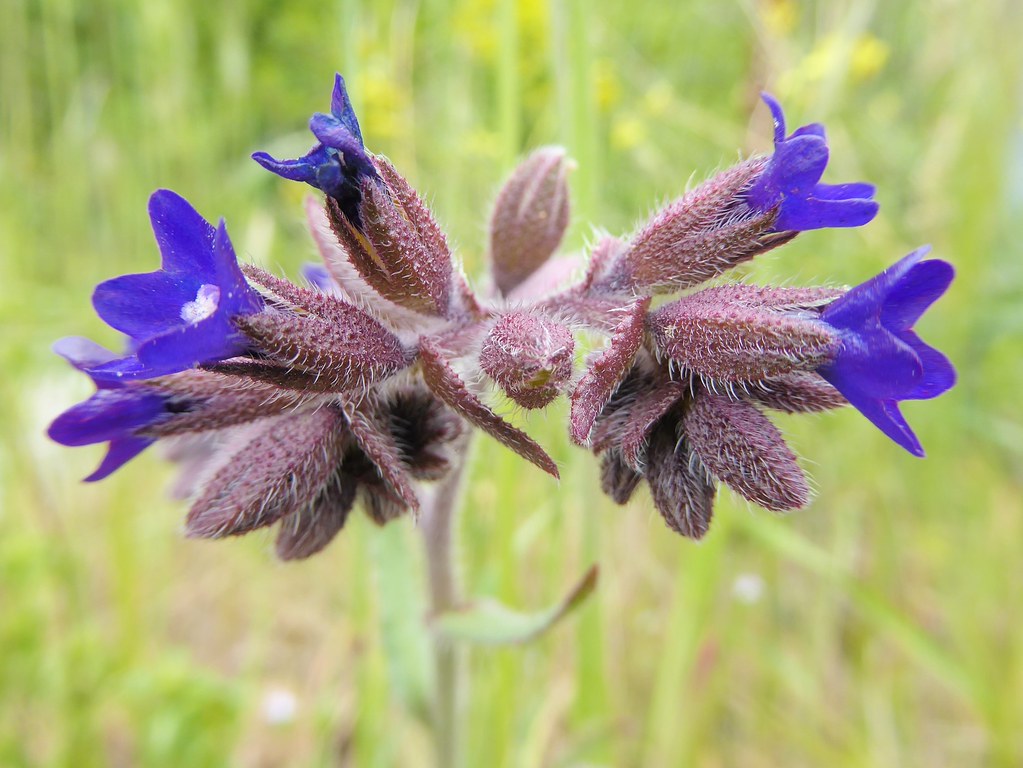
Botanical Variety: Anchusa undulata, a flowering herb in the borage family.
-
Flower Color: Typically produces blue to violet-blue flowers.
-
Plant Characteristics: Features textured, wavy-edged leaves and flowering stems.
-
Garden Uses: Suitable for cottage gardens, herb collections, and informal flower borders.
-
Natural Appeal: Adds a soft, wildflower-like character to sunny garden spaces.
Growing Benefits
-
Brings attractive blue flowers to naturalistic and cottage-style gardens.
-
Adds foliage texture and variety to mixed herb plantings.
-
Offers an interesting choice for gardeners exploring botanical diversity.
-
Can complement other sun-loving plants in informal garden borders.
-
Provides an opportunity to observe the growth and flowering of a traditional herb species.
Seed Specifications
-
Common Name: Undulate Anchusa
-
Botanical Name: Anchusa undulata
-
Plant Type: Flowering herb; growth habit may vary by subspecies and local conditions.
-
Colors: Blue to violet-blue flowers, with green foliage.
-
Height: Variable; confirm the expected mature height for the seed source and subspecies.
-
Sunlight: Full sun is generally preferred for good growth and flowering.
-
Soil: Well-drained soil; avoid persistently waterlogged conditions.
-
Water: Moderate watering during establishment, with reduced watering once plants are established if conditions permit.
-
Germination Time: Variable depending on seed freshness, temperature, and growing conditions.
-
Sowing Depth: Sow shallowly and cover with a thin layer of soil.
-
Spacing: Allow enough room for mature plants to develop good airflow; check supplier guidance for the specific variety.
-
Growing Zones: Climate suitability varies; the species is associated with Mediterranean environments.
-
Flowering/Maturity: Flowers during the growing season when conditions are suitable; timing varies with climate and establishment.
-
Uses: Ornamental planting, cottage gardens, botanical collections, and educational herb gardens. Do not use medicinally without qualified guidance.
Growing Tips
-
Choose a sunny site with soil that drains well.
-
Keep the seedbed lightly moist while seeds establish.
-
Avoid excessive watering, particularly in heavy soil.
-
Remove competing weeds while young plants become established.
Seed Storage
Keep seeds in a sealed, clearly labeled packet in a cool, dry, dark place. Protect them from moisture, heat, and direct sunlight. Follow any storage recommendations provided by the seed supplier.
Unique Facts About Anchusa Undulata Seeds
-
Botanical family: Anchusa undulata belongs to the Boraginaceae family, which includes borage and other flowering herbs.
-
Distinctive foliage: The name undulata refers to the wavy or undulating appearance of the leaves.
-
Flowering appeal: Its blue-toned flowers make it an interesting choice for naturalistic and cottage-style planting.
-
Traditional herb interest: Although associated with traditional herbal use, the plant should not be assumed safe for medicinal consumption without reliable species-specific safety guidance.