


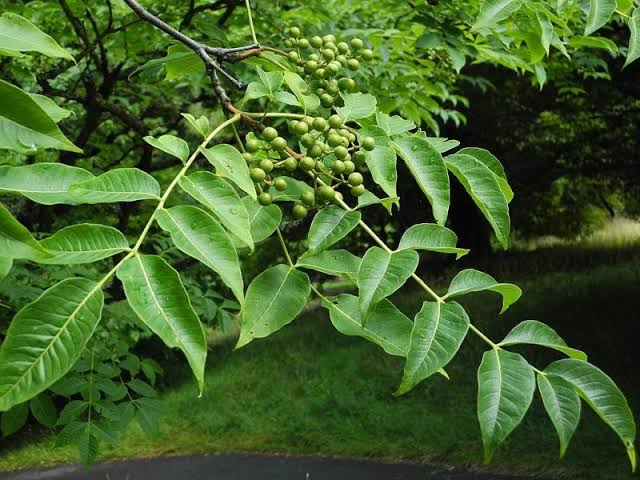

Key Features
- Amur cork tree is a deciduous tree known for its distinctive corky bark.
- Features attractive green foliage that turns yellow in autumn.
- Produces small greenish-yellow flowers followed by dark, berry-like fruits.
- Develops a broad, spreading form suitable for spacious landscapes and woodland gardens.
- Valued as an ornamental tree for its unusual bark, foliage, and seasonal interest.
Growing Benefits
- Adds distinctive year-round character to spacious home landscapes.
- Provides attractive foliage and textured bark for visual garden interest.
- Offers an interesting tree-growing project for gardeners and plant enthusiasts.
- Adapts to a range of well-drained garden soils.
- Creates valuable seasonal interest as foliage changes through autumn.
Seed Specifications
Common Name: Amur Cork Tree
Botanical Name: Phellodendron amurense
Plant Type: Deciduous woody tree
Colors: Green foliage, yellow autumn foliage, greenish-yellow flowers, dark fruits, gray-brown corky bark
Height: Large tree with a broad, spreading mature form
Sunlight: Full sun to partial shade
Soil: Well-drained, moderately fertile soil; adaptable to various soil types
Water: Regular moisture while young; moderately drought tolerant once established
Germination Time: Variable; seeds may take several weeks or longer after proper cold stratification
Sowing Depth: Shallow, lightly covered with fine soil
Spacing: Allow generous spacing for the mature spreading canopy
Growing Zones: Generally suited to USDA Zones three through seven
Flowering/Maturity: Small flowers appear in late spring or early summer; trees mature gradually over several years
Uses: Ornamental landscaping, specimen planting, woodland gardens, parks, and large open landscapes
Growing Tips
- Provide a sunny or lightly shaded location with plenty of room for future growth.
- Use fresh, well-drained soil and avoid areas where water remains around the roots.
- Give young seedlings consistent moisture while their root systems develop.
- Protect young plants from severe competition, weeds, and harsh drying conditions.
Seed Storage
Store unused seeds in a cool, dry, dark location inside a sealed, moisture-resistant container. Keep seeds away from heat, humidity, and direct sunlight. For longer storage, refrigeration can help maintain suitable seed condition when moisture is carefully controlled.
Unique Facts About Amur Cork Tree Seeds
- Amur cork tree belongs to the citrus family, Rutaceae, despite its very different tree-like appearance.
- The species is named for the Amur region of northeastern Asia, where it is native.
- Mature trees are recognized for their thick, deeply ridged, cork-like bark.
- Female trees can produce clusters of dark fruits after flowering when suitable pollination occurs.