Skip to product information
1 of 3

Eden Valley Seeds

American Black Elderberry Seeds – Sambucus canadensis Fruit Shrub

American Black Elderberry Seeds – Sambucus canadensis Fruit Shrub

Regular price $16.99 USD
Regular price Sale price $16.99 USD
Sale Sold out
size
Quantity

DELIVERY ESTIMATE

—

Estimated arrival

ORDER—Order placed
ORDER READY—Processing estimate
DELIVERED—Estimated delivery

♢

Secure checkout
Carefully packed seeds
Tracked delivery
Quality-focused selection
View full details

Key Features

  • Plant Variety: American Black Elderberry, a deciduous fruit-bearing shrub native to eastern North America.

  • Flowers: Produces clusters of delicate, creamy-white flowers during the growing season.

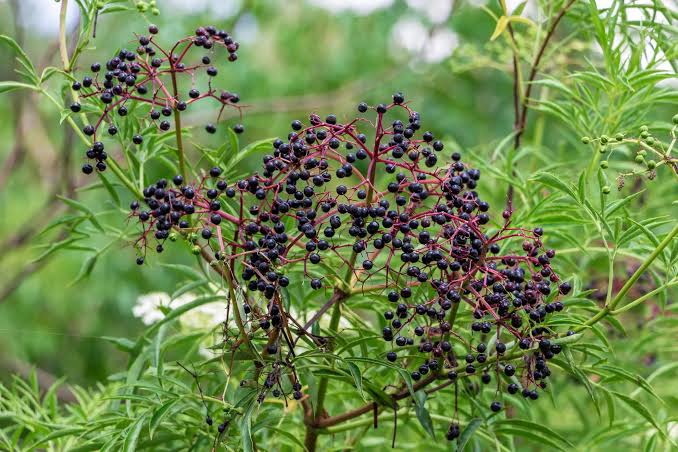
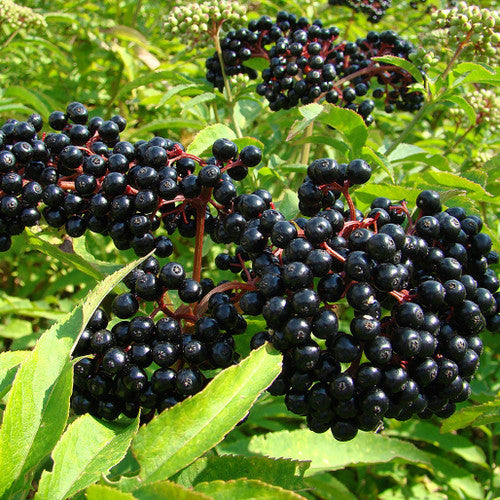
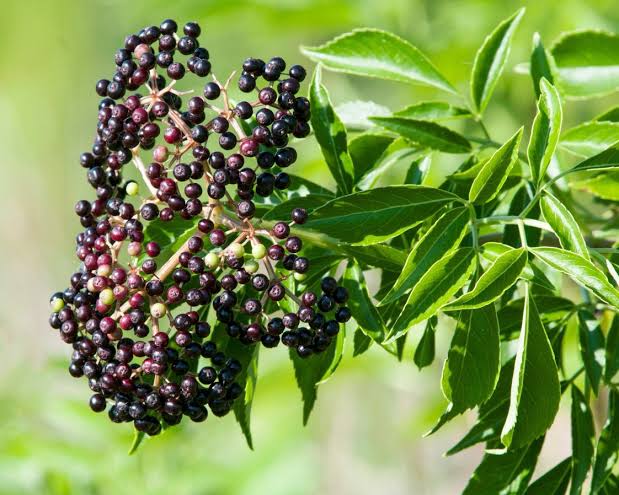
  • Fruits: Develops dark purple to nearly black berries when mature.

  • Plant Characteristics: Features spreading branches and attractive green foliage, making it suitable for natural garden landscapes.

  • Garden Uses: Ideal for wildlife gardens, edible landscapes, hedgerows, and home fruit gardens.

Growing Benefits

  • Adds beautiful white flower clusters and dark berries to home gardens.

  • Attracts pollinators and provides food for garden wildlife.

  • Creates natural privacy screens and attractive garden borders.

  • Supports biodiversity in wildlife-friendly and cottage-style landscapes.

  • Offers an opportunity to grow a traditional fruit-bearing native shrub.

Seed Specifications

  • Common Name: American Black Elderberry, American Elderberry

  • Botanical Name: Sambucus canadensis

  • Plant Type: Deciduous perennial fruit-bearing shrub

  • Colors: Green foliage, creamy-white flowers, dark purple to black berries

  • Height: Typically grows around five to twelve feet tall.

  • Sunlight: Full sun to partial shade.

  • Soil: Moist, fertile, organically rich, well-drained soil.

  • Water: Regular watering; prefers consistently moist soil.

  • Germination Time: Variable; may take several weeks to several months because of seed dormancy.

  • Sowing Depth: Lightly cover seeds with a thin layer of soil.

  • Spacing: Allow approximately six to ten feet between established shrubs.

  • Growing Zones: Generally suitable for USDA Zones three through nine.

  • Flowering/Maturity: Flowers in late spring to early summer; berries generally ripen in late summer.

  • Uses: Wildlife gardens, natural hedges, edible landscapes, ornamental planting, and fruit production.

Growing Tips

  • Choose a sunny location with sufficient space for mature shrub growth.

  • Keep the soil consistently moist, especially during the establishment period.

  • Provide proper cold and warm stratification to help overcome seed dormancy.

  • Remove damaged branches and prune established shrubs to encourage healthy growth.

Seed Storage

  • Store seeds in a cool, dry, and dark location.

  • Keep seeds in an airtight, moisture-resistant container.

  • Protect seeds from direct sunlight, heat, and humidity.

  • Label the container with the botanical name and storage date.

  • Avoid exposing stored seeds to moisture before planting.

Unique Facts About American Black Elderberry Seeds

  • American elderberry is native to eastern North America and naturally grows in moist habitats.

  • Its creamy-white flower clusters attract bees, butterflies, and other pollinators.

  • The dark berries are an important seasonal food source for birds and wildlife.

  • Elderberry seeds have dormancy requirements, so proper stratification helps improve germination.

Growing Instructions

Planting Season

Plant seeds in autumn outdoors for natural exposure to changing temperatures. Alternatively, prepare seeds indoors using warm and cold stratification before sowing.

Seed Preparation and Sowing

American Black Elderberry seeds have natural dormancy and benefit from stratification. Keep seeds in a moist growing medium during the preparation process. After stratification, sow them in seed trays or suitable containers.

Sowing Depth and Spacing

Cover seeds lightly with a thin layer of moist growing medium. Once seedlings develop and become strong enough, transplant them with sufficient space for mature shrub growth.

Sunlight Requirements

Choose a location receiving full sunlight or partial shade. Full sun generally encourages better flowering and fruit production.

Soil Requirements

Grow elderberry in fertile, moisture-retentive, well-drained soil. Adding mature compost can improve soil structure and support healthy root development.

Watering

Water regularly to maintain consistent soil moisture. Avoid allowing young seedlings to dry out. Established plants appreciate additional watering during prolonged dry weather.

Germination

Germination can be slow and irregular because elderberry seeds have dormancy mechanisms. Warm and cold stratification can help prepare seeds for successful germination. Maintain moisture without waterlogging the growing medium.

Transplanting

When seedlings develop strong roots and several healthy leaves, transplant them carefully into individual pots or their permanent garden location. Avoid disturbing delicate roots.

Fertilizing

Incorporate compost or well-rotted organic matter into the soil before planting. Apply a balanced fertilizer when necessary, following the manufacturer's instructions.

Plant Care and Maintenance

Remove weeds around young plants and maintain consistent moisture. Prune damaged or overcrowded branches to encourage healthy growth. Planting compatible elderberry varieties nearby can help improve fruit production through cross-pollination.

Flowering and Fruit Maturity

Established shrubs typically produce creamy-white flower clusters in late spring or early summer. Dark purple to black berries generally develop and ripen in late summer.

Important Edibility Note: Only properly identified, fully ripe elderberries should be used after appropriate cooking. Unripe berries and other plant parts, including leaves and stems, can contain toxic compounds. Never consume raw elderberries.