


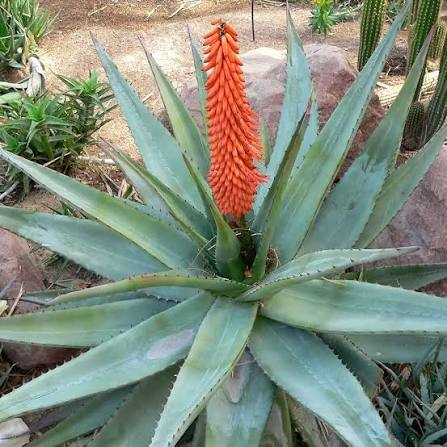
Grow Aloe Ferox from heirloom non-GMO seeds for a dramatic succulent with tall rosettes of thick, toothed leaves and impressive flower spikes. Ideal for rock gardens, containers, patios, and warm-climate landscapes.
Key Features
-
Produces bold rosettes of thick, fleshy, toothed leaves.
-
Develops an impressive upright form as the plant matures.
-
Heirloom, non-GMO seed choice for succulent enthusiasts.
-
Ideal for rock gardens, containers, patios, and sunny landscapes.
-
Performs best in bright light and sharply drained soil.
-
Mature plants can produce tall spikes of colorful tubular flowers.
Growing Benefits
-
Adds dramatic architectural form to succulent gardens.
-
Creates a striking focal point in sunny landscapes.
-
Works beautifully in rock gardens and decorative containers.
-
Offers an engaging long-term project for seed growers.
-
Provides attractive foliage and seasonal flower interest as it matures.
Seed Specifications
-
Common Name: Cape Aloe, Bitter Aloe
-
Botanical Name: Aloe ferox
-
Plant Type: Perennial succulent
-
Family: Asphodelaceae
-
Foliage Color: Green to blue-green
-
Flower Color: Orange-red to reddish-orange, sometimes yellowish
-
Flower Shape: Tubular flowers arranged in tall upright racemes
-
Foliage: Thick, fleshy, lance-shaped leaves with prominent teeth along the margins
-
Growth Habit: Upright, rosette-forming, and eventually tree-like
-
Sunlight: Full sun to bright partial shade
-
Soil: Gritty, sandy, sharply drained soil
-
Water: Low to moderate; allow soil to dry between established waterings
-
Germination Time: Approximately 2–6 weeks under favorable conditions
-
Sowing Depth: Surface sow or cover very lightly
-
Spacing: Approximately 24–36 inches for young plants, with substantially more room required as mature plants develop
-
Growing Zones: Generally suited to USDA Zones 9–11; grow in containers or protected locations in colder climates
-
Flowering/Maturity: Mature plants can take several years to reach flowering size
-
Uses: Rock gardens, succulent gardens, containers, patios, xeric landscapes, and warm-climate ornamental plantings
Growing Tips
-
Use a gritty, sharply draining cactus or succulent growing medium.
-
Sow seeds shallowly and avoid covering them deeply.
-
Provide bright light and warm conditions during germination.
-
Protect young plants from frost and prolonged cold.
Seed Storage
Store unused seeds in a cool, dry, dark location. Keep them sealed in an airtight container away from moisture, heat, and direct sunlight. Fresh seed is generally preferable for successful propagation.
Important Growing Note
Aloe ferox, commonly called Cape Aloe, is a large, slow-growing succulent native to southern Africa. Mature plants can develop a substantial upright trunk and broad rosette, so they require considerably more space than compact Aloe varieties.
The leaf margins have sharp teeth, so handle mature plants carefully and keep them away from high-traffic areas. Seed-grown plants may vary somewhat in growth habit, foliage characteristics, and flowering performance.
This listing is intended for ornamental gardening. Although Aloe ferox has a long history of traditional uses, this product description does not make medicinal or health claims. Do not consume or prepare Aloe material without correct botanical identification and appropriate professional guidance.
Unique Facts About Seeds
-
Aloe ferox is commonly known as Cape Aloe and is native to southern Africa.
-
Mature plants can develop tall flower spikes well above the rosette.
-
Its thick leaves feature distinctive teeth along their margins.
-
Older plants can develop a tall trunk, giving them a tree-like appearance.
-
The species is well adapted to sunny, relatively dry environments with excellent drainage.