


Key Features
-
Traditional Mediterranean Culinary Herb: Alexanders (Smyrnium olusatrum) is an aromatic biennial herb with a long history of cultivation in Mediterranean and European kitchen gardens. Its leaves, stems, and young shoots have traditionally been used as seasonal vegetables and culinary herbs.
-
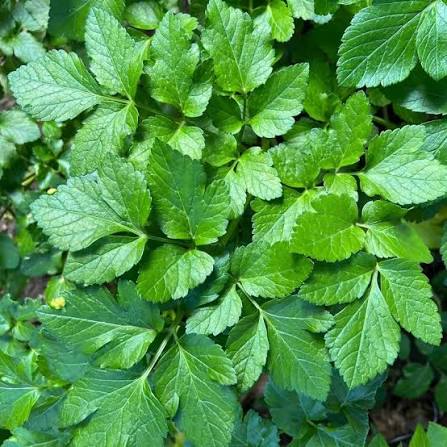
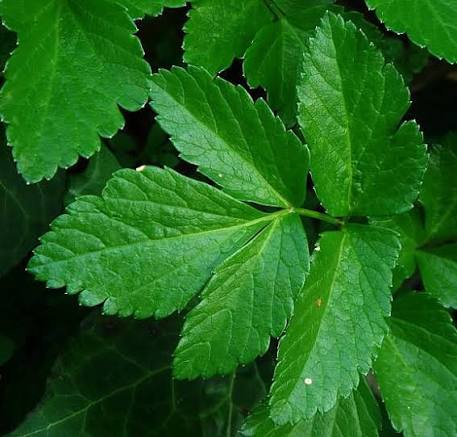
Distinctive Glossy Green Foliage: Produces attractive, glossy, divided leaves with broad, toothed leaflets. The lush foliage creates a distinctive appearance in herb gardens, edible landscapes, and naturalistic planting areas.
-
Tall Architectural Flower Stems: Mature plants develop upright, branching stems topped with rounded clusters of small yellow-green flowers, creating ornamental interest and a natural woodland-garden appearance.
-
Unique Celery-Like Flavor: Alexanders has a distinctive aromatic flavor often compared with celery, parsley, and lovage, although its taste can be stronger and slightly bitter, particularly in older plant parts.
-
Traditional Biennial Growth Habit: Typically forms leafy growth during its first season before developing flowering stems and seeds during its second growing season, making it suitable for gardeners interested in heritage herbs.
Growing Benefits
-
Heritage Culinary Gardening: Introduce an uncommon traditional European herb into your kitchen garden, expanding the range of aromatic vegetables and edible plants grown at home.
-
Early Seasonal Leaf Production: Established Alexanders plants may produce tender foliage during late winter or early spring in suitable climates, providing an interesting addition to seasonal herb gardening.
-
Ornamental Garden Appeal: Enjoy glossy green foliage, upright flowering stems, and attractive yellow-green flower clusters in mixed herb borders and naturalistic garden settings.
-
Pollinator Garden Support: The small flowers are arranged in compound umbels that can attract various visiting insects, including flies, beetles, and other potential pollinators.
-
Long-Term Seed Production: Allow selected biennial plants to complete their flowering cycle and produce mature seeds for future sowing, while controlling unwanted self-seeding.
Seed Specifications
-
Common Name: Alexanders, Black Lovage, Horse Parsley, Wild Celery
-
Botanical Name: Smyrnium olusatrum
-
Plant Family: Apiaceae
-
Type: Traditional Culinary and Ornamental Herb
-
Plant Type: Biennial herb, occasionally short-lived perennial under certain conditions
-
Variety: Species form; specific heirloom strain not verified
-
Colors: Glossy green foliage, yellow-green flowers, and dark brown to black mature fruits
-
Height: Approximately 3–5 feet when flowering
-
Spread: Approximately 1–3 feet, depending on growing conditions
-
Sunlight: Full sun to partial shade
-
Soil: Fertile, well-draining, moisture-retentive loamy soil enriched with organic matter
-
Soil pH: Approximately 6.0–7.5
-
Water: Moderate watering, especially during establishment and prolonged dry periods
-
Germination Time: Variable; often several weeks to several months, depending on dormancy and seasonal conditions
-
Germination Temperature: Cool conditions are generally favorable; natural winter exposure may help break seed dormancy
-
Sowing Depth: Approximately ¼–½ inch
-
Spacing: Approximately 12–18 inches between plants
-
Growing Zones: Often cultivated in temperate regions approximately USDA Zones 5–9; exact hardiness varies with local conditions
-
Planting Season: Autumn sowing is generally preferred; late winter or early spring sowing may be possible after appropriate cold stratification
-
Flowering/Maturity: Usually flowers during its second growing season, commonly from spring into early summer
-
Growth Habit: Upright, branching, leafy biennial herb
-
Uses: Traditional culinary gardens, heritage herb collections, ornamental borders, naturalistic landscapes, and pollinator plantings
-
Seed Count Per Pack: 100 pcs
-
Heirloom Status: Traditional species with a long cultivation history; specific seed lot's heirloom designation not independently verified
Growing Tips
-
Use Autumn Sowing for Natural Stratification: Sow Alexanders seeds outdoors during autumn to expose them to naturally occurring winter temperatures. This seasonal temperature change can help overcome dormancy and encourage spring germination.
-
Allow Extra Germination Time: Alexanders seeds can germinate irregularly and may require extended cold exposure. Avoid discarding seed trays prematurely, as some viable seeds may emerge only after several months.
-
Choose a Sheltered Garden Location: Plant in fertile soil with good drainage and some protection from intense drying winds. Partial shade can be beneficial in regions with hot summer conditions.
-
Maintain Consistent Early Moisture: Keep the seed-starting medium lightly moist during stratification and germination. Avoid prolonged waterlogging, which can encourage seed deterioration and fungal problems.
-
Provide Space for Flowering Stems: Allow adequate spacing because mature Alexanders plants can develop tall, branching flowering stalks. Support may be helpful in exposed garden locations.
-
Control Unwanted Self-Seeding: Remove developing seed heads before they mature if natural spreading is not desired. Alexanders can self-seed readily in suitable climates and may become locally persistent.
Seed Storage
-
Cool Storage: Store properly dried Alexanders seeds in a cool, stable environment until they are ready for sowing or stratification.
-
Dry Conditions: Keep seeds in moisture-resistant containers away from excessive humidity to reduce the risk of fungal growth during storage.
-
Moisture Protection: Avoid condensation and repeated temperature fluctuations. Use clean, labeled containers to maintain seed identity and storage records.
-
Seed Freshness: Sow fresh seeds whenever possible because germination performance can vary with seed age, dormancy, and storage conditions.
-
Long-Term Preservation: For extended storage, keep dry seeds in sealed containers under cool conditions. Moist cold stratification should be carried out separately from dry seed storage.
Unique Facts About the Seeds
-
Ancient European Culinary Heritage: Alexanders was cultivated and used as a food plant in Europe before celery became widely established as a common cultivated vegetable.
-
Member of the Carrot Family: Smyrnium olusatrum belongs to Apiaceae, the same botanical family as carrots, parsley, celery, dill, and fennel.
-
Distinctive Dark Seed Fruits: Alexanders produces rounded, ribbed fruits that become dark brown to nearly black at maturity. These fruits contain the botanical seeds used for propagation.
-
Natural Seed Dormancy: Fresh Alexanders seeds commonly require a period of cool, moist conditions before successful germination, reflecting the species' seasonal reproductive cycle.
-
Traditional Coastal and Woodland Habitats: Alexanders is associated with Mediterranean habitats and has become naturalized in coastal and disturbed areas of parts of Europe, where it can establish persistent populations.