



Key Features
-
Plant Variety: Alehoof, also known as ground ivy or creeping Charlie.
-
Flower Color: Produces small, delicate blue-violet to purple flowers.
-
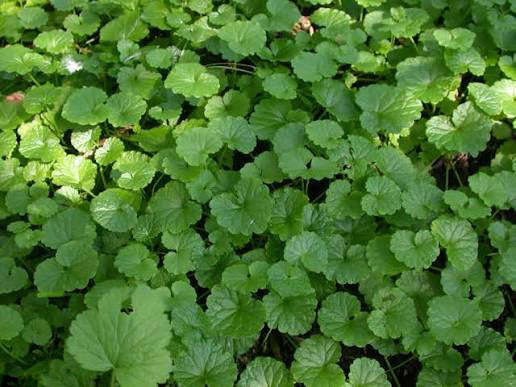
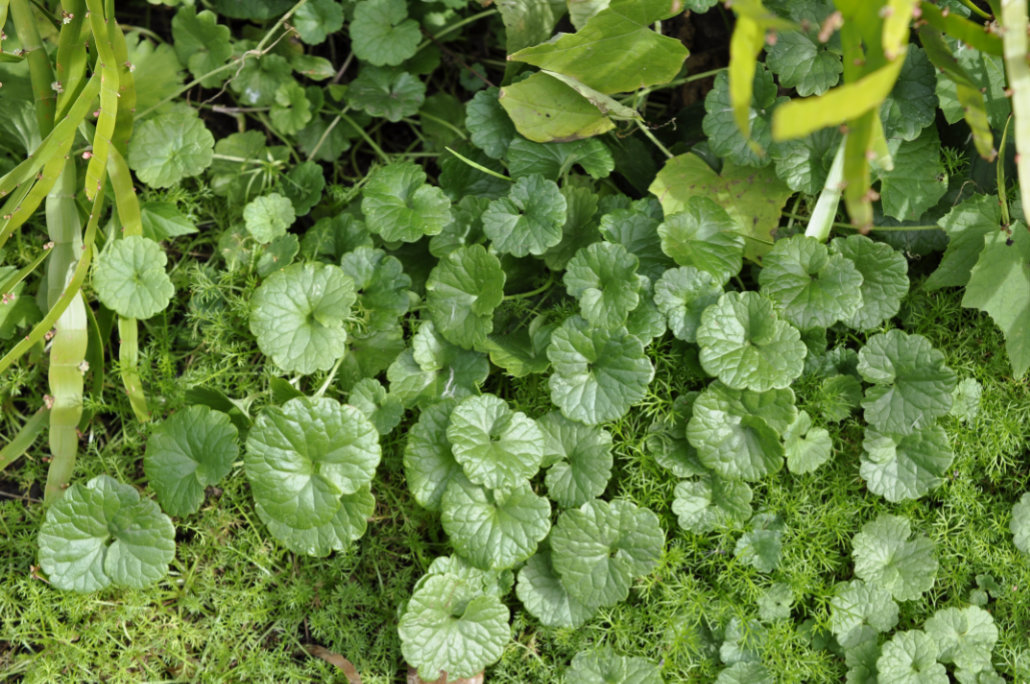
Plant Characteristics: Low-growing perennial herb with rounded, scalloped leaves and creeping stems.
-
Garden Uses: Suitable for ground cover, naturalized gardens, and shaded landscape areas.
-
Unique Appeal: Features aromatic foliage and charming spring flowers that attract pollinating insects.
Growing Benefits
-
Creates a spreading green cover in suitable garden areas.
-
Adds delicate seasonal flowers to shaded and partly shaded spaces.
-
Provides attractive foliage for naturalized and cottage-style gardens.
-
Grows well in moist areas where many sun-loving plants struggle.
-
Offers an interesting herb for gardeners exploring traditional garden plants.
Seed Specifications
-
Common Name: Alehoof, Ground Ivy, Creeping Charlie
-
Botanical Name: Glechoma hederacea
-
Plant Type: Creeping perennial herb
-
Colors: Green foliage with blue-violet to purple flowers
-
Height: Usually low-growing, around a few inches tall, with stems spreading along the ground.
Growing Tips
-
Sow seeds on the soil surface or cover them with a very thin layer of soil.
-
Keep the growing medium evenly moist during germination.
-
Choose a shaded or partly shaded location for healthy foliage.
-
Grow in a contained area because the plant can spread aggressively.
Seed Storage
Store seeds in a clearly labeled, airtight container in a cool, dry, dark location. Keep them away from humidity, direct sunlight, and excessive heat. Follow any additional storage instructions provided by the seed supplier.
Unique Facts About Alehoof Seeds and Plants
-
Creeping growth: Alehoof spreads through creeping stems that can root at the nodes, helping it form dense patches.
-
Distinctive leaves: Its rounded, scalloped leaves release a characteristic aroma when crushed.
-
Spring flowers: Small blue-violet flowers appear around the leaf joints, often during spring.
-
Traditional history: Alehoof has a long history of traditional herbal use, although historical uses do not establish medical safety or effectiveness.