


Key Features
-
Fruit Variety: Afghan cherry is a regional name that may refer to different cherry types, so the exact variety should be confirmed.
-
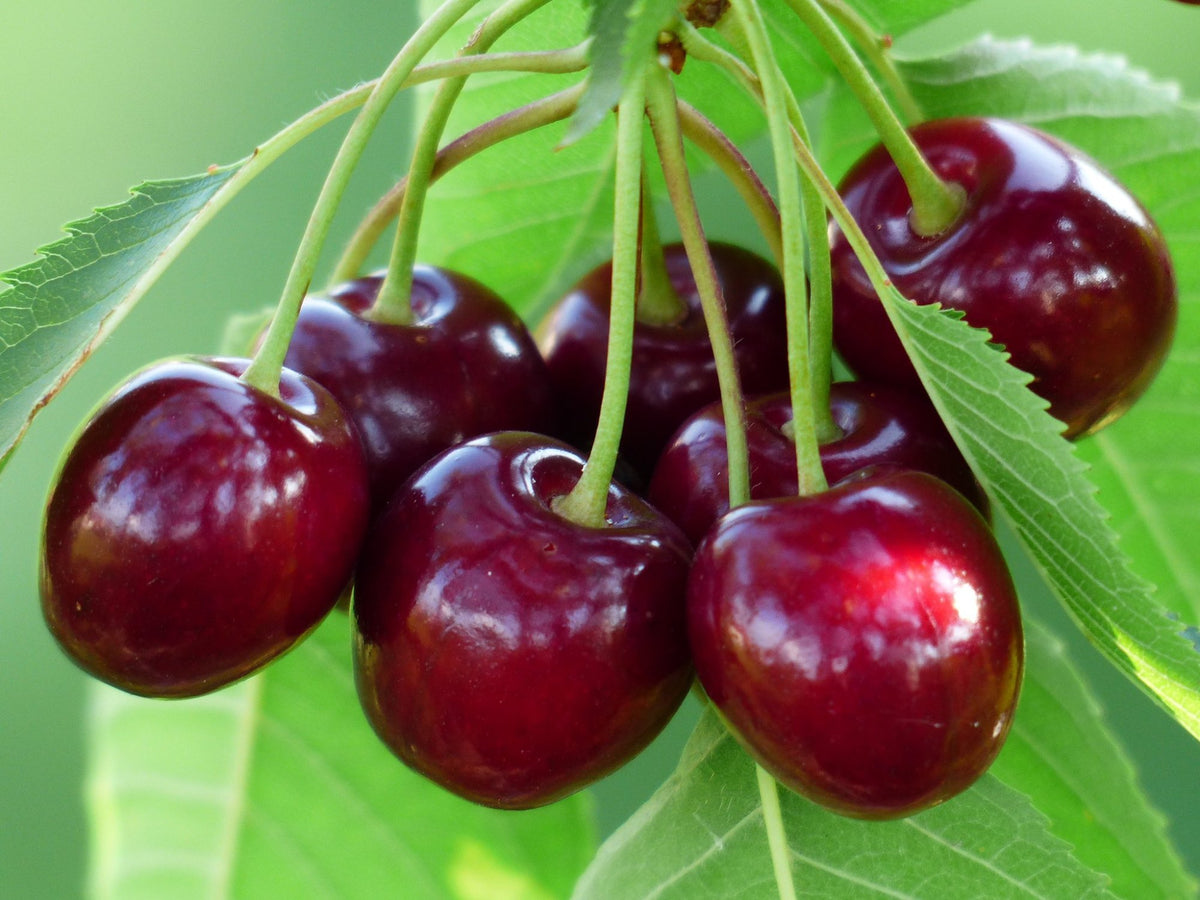
Fruit Appearance: Cherry fruits commonly develop red to deep-red skin, depending on the variety.
-
Plant Characteristics: Cherry trees are woody, fruit-bearing plants that can provide seasonal blossoms and edible fruits.
-
Garden Use: Suitable for gardeners interested in growing fruit trees in home orchards and suitable outdoor spaces.
-
Growing Requirements: Successful growth depends on the exact cherry species, climate, soil conditions, and pollination needs.
Growing Benefits
-
Explore the rewarding experience of growing a fruit tree from seed.
-
Add a long-term fruit-growing project to your home garden.
-
Observe the development of a tree from seedling to maturity.
-
Enjoy seasonal foliage and blossoms as the tree develops.
-
Learn about fruit-tree care, soil preparation, and orchard gardening.
Seed Specifications
-
Common Name: Afghan Cherry, Afghan Bush Cherry, Afghan Dwarf Cherry.
-
Botanical Name: Prunus jacquemontii. Plant Type: Deciduous fruit-bearing shrub. Colors: Pink flowers, green foliage, red to purplish-red fruits.
-
Height: Approximately five to twelve feet at maturity. Sunlight: Full sun. Soil: Well-drained soil, including loamy, sandy, or rocky soils.
-
Water: Moderate moisture during establishment; established shrubs tolerate some drought. Germination Time: Variable and potentially slow; germination may take many months. Sowing Depth: Follow the seed supplier's instructions because the appropriate depth may vary with seed condition.
-
Spacing: Allow approximately six to twelve feet of growing space, adjusting to the site's conditions. Growing Zones: USDA zones three through eight. Flowering/Maturity: Pink flowers appear in spring, with fruits developing later; seed-grown plants may take several years to fruit. Uses: Ornamental planting, hedges, wildlife gardens, and small edible fruits.
Growing Tips
-
Prepare the seeds: Afghan cherry seeds commonly benefit from cold stratification before sowing.
-
Choose a sunny location: Provide full sun and soil that drains freely.
-
Maintain consistent moisture: Keep the seed-starting medium lightly moist without waterlogging it.
-
Be patient: Germination can be slow, so protect the seedbed and avoid disturbing seeds unnecessarily.
Seed Storage
-
Store seeds in a cool, dry location until preparation for planting.
-
Keep them in a clearly labeled, airtight container away from direct sunlight.
-
Protect seeds from excess humidity, heat, and pests.
-
Check the supplier's storage recommendations before refrigerating or treating seeds, as storage conditions can affect viability.
Unique Facts About Afghan Cherry Seeds
-
Afghan cherry is botanically known as Prunus jacquemontii, a shrub native to parts of Afghanistan and the western Himalayas.
-
Its shell-pink flowers can appear before or alongside the emerging leaves in spring.
-
The plant produces small, juicy, reddish to purplish fruits containing a hard stone.
-
Its natural habitat includes stony mountain slopes and shrubby thickets, reflecting its ability to grow in well-drained condition