




Key Features
-
Grow quince from seed for a rewarding long-term gardening project
-
Produces attractive foliage and fragrant spring blossoms
-
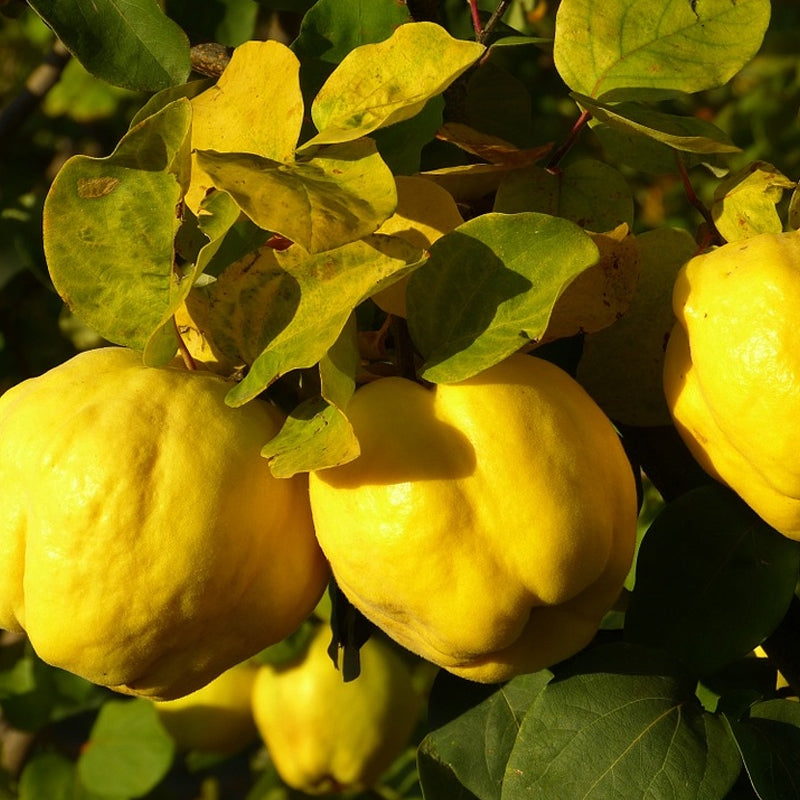
Mature trees can develop aromatic yellow-golden quince fruits
-
Excellent for home gardens, orchards, and edible landscapes
-
Beautiful choice for gardeners who enjoy growing unusual fruit trees
Growing Benefits
-
Adds seasonal beauty with flowers, foliage, and fruit
-
Creates an attractive fruiting tree for larger garden spaces
-
Provides an enjoyable seed-to-tree growing experience
-
Excellent for edible landscapes and home orchard projects
-
Makes a distinctive addition to fruit-tree collections
Seed Specifications
-
Plant Type: Deciduous fruit tree; woody perennial
-
Botanical Name: Cydonia oblonga
-
Fruit Color: Yellow to golden yellow when mature
-
Growth Habit: Small to medium-sized branching tree or shrub-like tree
-
Garden Use: Home orchards, edible landscapes, cottage gardens, specimen planting, and fruit-tree collections
Growing Tips
-
Choose a sunny location with enough room for the mature tree and root system.
-
Plant in fertile, well-draining soil that retains moderate moisture.
-
Provide consistent moisture while young, especially during dry periods.
-
Be patient because seed-grown quince requires time to mature and fruiting characteristics may vary.
Seed Storage
Store seeds in a cool, dry location away from direct sunlight, heat, and excess humidity. Keep seeds protected from moisture fluctuations until ready for planting. Quince seeds commonly benefit from a period of cold-moist stratification before sowing.
Unique Facts About Seeds
-
Quince belongs to the rose family, Rosaceae, alongside apples and pears.
-
The mature fruits are typically yellow and highly aromatic.
-
Quince flowers are attractive ornamental features during the growing season.
-
Seeds commonly have dormancy and may require cold-moist stratification to encourage germination.
-
Seed-grown quince trees can differ from the parent plant in fruit quality, size, and other characteristics.