


Key Features
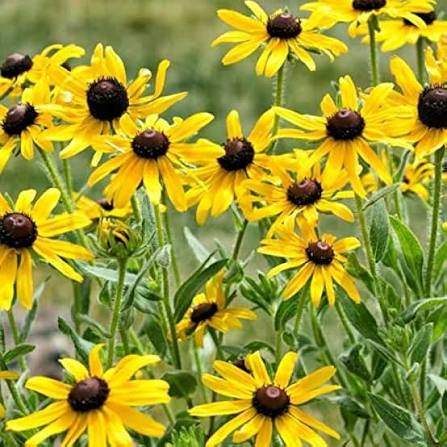
- Produces cheerful yellow, daisy-like flowers with prominent central cones.
- Upright perennial with sturdy stems and attractive green foliage.
- Excellent for flower beds, borders, cottage gardens, prairie gardens, and pollinator-friendly spaces.
- Performs best in full sun and well-drained soil.
- Adds bright color and vertical interest to summer garden displays.
Growing Benefits
- Brings vibrant yellow color to home landscapes.
- Suitable for beginner-friendly perennial garden projects.
- Works well in borders, native-style plantings, and cottage gardens.
- Provides flowers that can attract bees, butterflies, and other beneficial pollinators.
- Drought-tolerant once established, making it useful for sunny, well-drained locations.
Seed Specifications
- Common Name: Yellow Coneflower
- Botanical Name: Echinacea paradoxa
- Plant Type: Herbaceous perennial
- Colors: Bright yellow
- Height: Approximately two to three feet
- Sunlight: Full sun
- Soil: Well-drained, moderately fertile soil
- Water: Moderate during establishment; relatively drought-tolerant once established
- Germination Time: Approximately ten to twenty days under favorable conditions
- Sowing Depth: Surface sow or cover very lightly
- Spacing: Approximately eighteen to twenty-four inches
- Growing Zones: USDA Zones three through nine
- Flowering/Maturity: Typically blooms during summer after establishment
- Uses: Flower beds, borders, prairie gardens, cottage gardens, pollinator gardens, and naturalized plantings
Growing Tips
- Choose a sunny location with well-drained soil.
- Press seeds gently onto the soil surface and avoid burying them deeply.
- Keep the growing medium lightly moist during germination.
- Allow adequate space between plants for mature growth and good airflow.
Seed Storage
Store unused seeds in a cool, dry, dark location. Keep them sealed in their original packet or an airtight container away from moisture, heat, and direct sunlight.
Unique Facts About Seeds
- Yellow coneflower is scientifically known as Echinacea paradoxa.
- Unlike most familiar coneflowers, which commonly have pink, purple, or white flowers, this species naturally produces yellow blooms.
- Yellow coneflower is native to parts of the central United States.
- Its prominent central cone gives the flowers their characteristic coneflower appearance.