


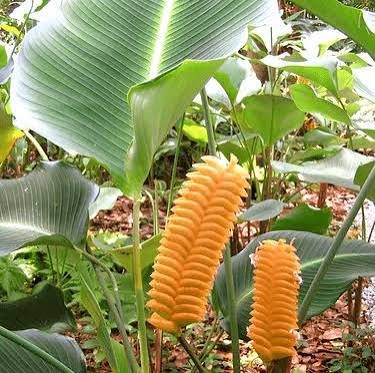
Grow Yellow Calathea crotalifera from heirloom non-GMO seeds for lush tropical foliage and distinctive yellow flower structures. An exotic ornamental for warm gardens, shaded patios, containers, conservatories, and tropical landscapes.
Key Features
-
Produces lush, broad green foliage with a tropical appearance.
-
Develops distinctive yellow flower structures above the foliage.
-
Heirloom, non-GMO seed choice for specialty ornamental gardens.
-
Ideal for shaded gardens, containers, patios, conservatories, and tropical landscapes.
-
Prefers warm, humid conditions and consistently moist soil.
-
Adds dramatic tropical character to sheltered garden spaces.
Growing Benefits
-
Adds lush tropical texture to shaded garden spaces.
-
Creates an attractive focal point in ornamental containers.
-
Works well in warm, humid landscape settings.
-
Brings distinctive yellow floral structures to leafy displays.
-
Makes an interesting choice for tropical plant collections.
Seed Specifications
-
Common Name: Calathea, Yellow Calathea
-
Botanical Name: Calathea crotalifera
-
Plant Type: Tropical herbaceous perennial
-
Flower Color: Yellow to yellow-green
-
Flower Shape: Upright cone-like bracts surrounding small flowers
-
Foliage: Large, broad green leaves
-
Growth Habit: Upright, clumping
-
Sunlight: Bright indirect light to partial shade
-
Soil: Rich, organic, loose, well-drained soil
-
Water: Regular; maintain consistent moisture without prolonged waterlogging
-
Germination Time: Variable, often several weeks under favorable conditions
-
Sowing Depth: Surface sow or cover very lightly
-
Spacing: Approximately 18–30 inches depending on growing conditions and mature size
-
Growing Zones: Generally suited to USDA Zones 10–11; grow indoors or in containers in cooler climates
-
Flowering/Maturity: Flowering occurs after plants become established under suitable warm and humid conditions
-
Uses: Tropical gardens, shaded borders, containers, patios, conservatories, indoor collections, and ornamental landscapes
Growing Tips
-
Sow seeds in a warm, humid environment using a fine, moisture-retentive seed-starting mix.
-
Avoid direct harsh sunlight during early seedling development.
-
Keep the growing medium consistently moist but never saturated.
-
Protect plants from cold drafts, frost, and prolonged dry conditions.
Growing Instructions
Planting Season: Sow seeds during warm weather when temperatures remain consistently mild. Indoor or protected sowing is recommended in cooler climates.
Sowing: Fill a shallow seed tray with a rich, fine-textured seed-starting mix. Scatter seeds over the surface and gently press them into the medium.
Depth: Surface sow or cover with only a very thin layer of fine growing medium.
Spacing: Young seedlings can initially grow in trays. Transplant established seedlings into individual containers when they are large enough to handle.
Sunlight: Provide bright filtered or indirect light. Protect young plants from intense direct afternoon sunlight, which can scorch tender foliage.
Soil: Use a loose, organic-rich growing medium that retains moisture while still draining freely. Avoid dense, compacted soil.
Watering: Keep the growing medium consistently and evenly moist during germination and early growth. Avoid allowing the soil to become completely dry.
Germination: Germination can be variable and may take several weeks. Warm temperatures, steady moisture, humidity, and fresh seed can encourage successful emergence.
Humidity: Maintain moderate to high humidity around young plants. A protected greenhouse or covered propagation area can provide suitable conditions.
Thinning: Remove weak or overcrowded seedlings once they are large enough to handle safely.
Transplanting: Move seedlings carefully after they have developed several healthy leaves. Minimize disturbance to developing roots.
Fertilizing: Once established, feed plants with a balanced fertilizer diluted according to product directions during active growth.
Care: Keep plants protected from cold temperatures and dry air. Remove damaged leaves and maintain good airflow around the foliage.
Flowering/Maturity: Mature plants can produce distinctive upright yellow flower structures when grown in warm, humid conditions. Flowering time varies with plant maturity and environment.
Container Growing: Use containers with drainage holes and a moisture-retentive but well-drained tropical potting mix. Repot gradually as plants develop.
Indoor Growing: Place containers in bright indirect light away from strong drafts, heaters, and air-conditioning vents. Maintain adequate humidity for healthy foliage.
Winter Care: Protect plants from temperatures below their preferred tropical range. In cooler climates, grow in containers and move indoors or into a heated protected space.
Seed Storage
Store unused seeds in a cool, dry, dark location. Keep them sealed in their original packet or an airtight container away from moisture, heat, and direct sunlight. Fresh seed is generally preferable because tropical ornamental seeds may lose viability during prolonged storage.
Important Growing Note
Calathea crotalifera is a tropical perennial that prefers warmth, humidity, filtered light, and consistently moist but well-drained soil. Seed-grown plants may develop somewhat differently from mature cultivated specimens, and germination can be variable.
The common name “Calathea” is used broadly for ornamental plants in the Marantaceae family, so verify the botanical identity supplied with the seed packet before making species-specific claims.
Unique Facts About Seeds
-
Calathea crotalifera belongs to the Marantaceae family, which includes several popular tropical foliage plants.
-
Its distinctive yellow flower structures rise above the foliage on upright stems.
-
Calathea plants are valued for their dramatic foliage as well as their flowers.
-
Tropical Calathea species generally perform best in warm, humid environments with filtered light.
-
Seed-grown plants can take time to develop into mature ornamental specimens.