


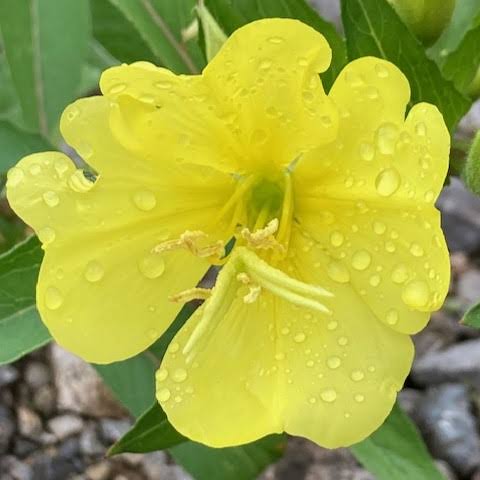
Grow Yellow Black Primrose from heirloom non-GMO seeds for cheerful yellow blooms with contrasting dark centers. Ideal for cottage gardens, borders, containers, woodland-style beds, and cool-season ornamental displays.
Key Features
- Produces bright yellow flowers with contrasting dark markings or centers.
- Adds cheerful color and visual interest to garden spaces.
- Heirloom, non-GMO seeds for ornamental garden growing.
- Ideal for cottage gardens, borders, containers, and woodland-style plantings.
- Performs best in fertile, well-drained soil with consistent moisture.
- Attractive blooms can provide seasonal interest for pollinator-friendly gardens.
Growing Benefits
- Adds vibrant yellow color to flower beds and borders.
- Contrasting dark markings create a distinctive floral display.
- Suitable for containers, patios, cottage gardens, and mixed borders.
- Works well in cool-season and partially shaded garden settings, depending on species.
- Provides an enjoyable seed-growing project for home gardeners.
Seed Specifications
- Common Name: Primrose
- Botanical Name: Primula spp.; verify the exact species or cultivar supplied
- Plant Type: Herbaceous perennial, depending on species
- Flower Color: Yellow with dark or blackish contrasting markings, depending on variety
- Flower Shape: Five-petaled flowers, often arranged in clusters
- Foliage: Green, often forming a basal rosette
- Growth Habit: Low-growing and clumping
- Sunlight: Partial shade to full sun in cool climates
- Soil: Moist, fertile, humus-rich, well-drained soil
- Water: Regular; maintain consistent moisture without waterlogging
- Germination Time: Approximately 14–30 days under favorable conditions, with some species requiring longer
- Sowing Depth: Surface sow or cover very lightly
- Spacing: Approximately 6–12 inches
- Growing Zones: Generally USDA Zones 4–9, depending on species
- Flowering: Spring, with timing varying by species and climate
- Uses: Cottage gardens, borders, containers, woodland gardens, rock gardens, shaded beds, and ornamental landscapes
Growing Tips
- Verify the botanical name because “Yellow Black Primrose” can refer to different primrose selections.
- Sow seeds shallowly because many Primula seeds benefit from exposure to light.
- Use a moisture-retentive but well-drained seed-starting medium.
- Keep seeds and seedlings consistently moist without creating stagnant conditions.
- Provide cool temperatures and bright, indirect light during germination.
- Gradually acclimate seedlings before transplanting outdoors.
Seed Storage
Store unused seeds in a cool, dry, dark location. Keep them sealed in their original packet or an airtight container away from moisture, heat, and direct sunlight. Primrose seeds can lose viability with age, so fresh seed is preferable.
Important Growing Note
“Primrose” includes many species within the genus Primula, and their flower colors, fragrance, hardiness, germination requirements, and growing habits vary. The term “black” generally describes a very dark marking rather than a truly black pigment. Verify the exact botanical species supplied before making species-specific claims.
Unique Facts
- Primroses belong to the genus Primula in the Primulaceae family.
- Many primroses naturally thrive in cool, moist environments.
- Some Primula seeds require exposure to cool temperatures before they germinate readily.
- The contrasting eye or markings found in some primrose flowers can make individual blooms especially distinctive.