Skip to product information
1 of 3

EdenValleySeeds

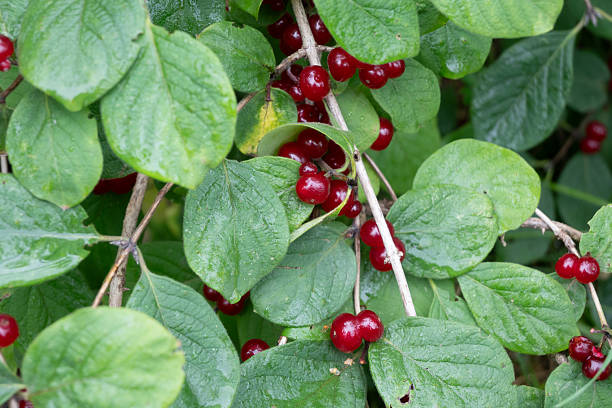
Wolfberry Fruit Seeds for Planting – Lycium barbarum Berry Garden Seeds

Wolfberry Fruit Seeds for Planting – Lycium barbarum Berry Garden Seeds

No reviews yet
Regular price $18.89 USD
Regular price Sale price $18.89 USD
Sale Sold out
size
Quantity
DELIVERY ESTIMATE
Oct 21 – Oct 23 Estimated arrival
ORDER Oct 11 Order placed
ORDER READY Oct 13 – Oct 14 2–3 business days
DELIVERED Oct 21 – Oct 23 10–12 business days total
Carefully packed and tracked from dispatch to delivery.
Secure checkout Carefully packed seeds Tracked delivery Quality-focused selection
View full details

Key Features

  • Wolfberry variety known for its small, elongated red-orange berries
  • Deciduous shrub with slender arching branches and narrow green leaves
  • Produces delicate purple to lavender flowers before fruit development
  • Suitable for edible gardens, home landscapes, borders, and wildlife-friendly spaces
  • Attractive berry-producing plant with ornamental foliage and graceful growth

Growing Benefits

  • Adds an attractive berry-producing shrub to home gardens
  • Offers seasonal flowers followed by colorful ornamental fruit
  • Suitable for gardeners interested in growing unusual edible plants
  • Works well in sunny garden locations with well-drained soil
  • Provides an engaging growing project for patient home gardeners

Seed Specifications

  • Common Name: Wolfberry, Goji Berry, Goji
  • Botanical Name: Lycium barbarum
  • Plant Type: Deciduous perennial fruiting shrub
  • Colors: Green foliage, lavender-purple flowers, red-orange berries
  • Height: Commonly reaches around two to three meters when mature
  • Sunlight: Full sun preferred; partial sun can be tolerated
  • Soil: Well-drained, moderately fertile soil with good drainage
  • Water: Moderate watering; allow soil to dry slightly between waterings
  • Germination Time: Often several weeks under suitable conditions
  • Sowing Depth: Very shallow, with seeds lightly covered
  • Spacing: Allow generous space for mature branching growth
  • Growing Zones: Generally suited to temperate and warm-temperate climates
  • Flowering/Maturity: Flowers develop during the growing season, followed by berries as plants mature
  • Uses: Edible garden, home landscape, berry garden, borders, and ornamental planting

Growing Tips

  • Surface sow the seeds or cover them only lightly with fine growing medium.
  • Keep the seed-starting mix evenly moist but never waterlogged.
  • Provide strong sunlight after germination to encourage sturdy seedling growth.
  • Harden young plants gradually before moving them into their permanent garden location.

Seed Storage

Store unused wolfberry seeds in a cool, dry, dark place away from humidity and direct sunlight. Keep them in a sealed, moisture-resistant container and protect them from heat and temperature fluctuations.

Unique Facts About Wolfberry Seeds

  • Wolfberry belongs to the nightshade family, which also includes tomatoes, peppers, and eggplants.
  • The plant is commonly associated with the name goji berry in horticultural and culinary use.
  • Wolfberry produces small, bell-shaped flowers that can range from lavender to purple.
  • Its berries develop after flowering and are typically elongated with a bright red to orange-red appearance.

Growing Instructions

Planting Season

Start wolfberry seeds indoors during the cooler part of the growing season, or sow outdoors after the danger of severe frost has passed. In mild climates, seeds can be started when growing conditions are favorable.

Sowing

Fill a clean seed-starting container with a fine, well-draining growing medium. Scatter the seeds over the surface and gently press them into the soil. Cover them with only a very thin layer of growing medium.

Depth and Spacing

Wolfberry seeds should be planted very shallowly because they require suitable moisture and warmth for germination. Once seedlings become established, provide enough space for the shrub to develop its spreading branches.

Sunlight

Place seedlings where they receive bright light. Established wolfberry plants perform best in full sun, although they may tolerate some partial shade.

Soil

Use fertile, well-draining soil that does not remain saturated after watering. Avoid heavy, poorly drained locations where excess moisture can collect around the roots.

Watering

Keep newly sown seeds consistently moist while they are germinating. After seedlings become established, water when the upper soil begins to dry, reducing excess moisture during wet periods.

Germination

Germination may take several weeks depending on seed freshness, temperature, moisture, and growing conditions. Keep the growing medium moist and provide suitable warmth and light during this stage.

Transplanting

When seedlings have developed several healthy leaves and are strong enough to handle, transplant them carefully. Harden them gradually by introducing outdoor conditions before planting them permanently.

Fertilizing

Once established, feed the plant with a balanced garden fertilizer during active growth if the soil requires additional nutrients. Avoid excessive fertilizer, which can encourage weak vegetative growth.

Care

Remove competing weeds around young plants and maintain good airflow around the developing shrub. Pruning can be used to maintain shape and encourage a manageable growth habit as the plant matures.

Flowering and Maturity

Mature plants produce small lavender-purple flowers during the growing season. These flowers can be followed by elongated red-orange berries when suitable growing and pollination conditions are provided.