


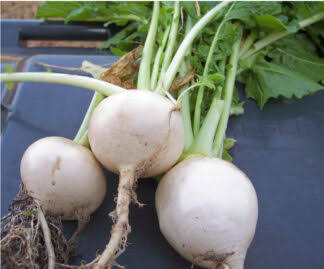
Key Features
- Produces crisp, rounded white turnip roots with mild, earthy flavor.
- Cool-season vegetable suited to garden beds, raised beds, and containers.
- Green tops are edible and can be harvested young for cooking.
- Compact growth makes turnips practical for smaller home gardens.
- Fast-growing root vegetable that can provide an early or late-season harvest.
Growing Benefits
- Easy vegetable choice for beginner home gardeners.
- Short growing period allows flexible succession planting.
- Grows well in cool weather and moderate garden conditions.
- Both roots and tender greens can be enjoyed in the kitchen.
- Useful for maximizing productivity in garden beds and containers.
Seed Specifications
Common Name: White Turnip
Botanical Name: Brassica rapa subsp. rapa
Plant Type: Annual root vegetable, commonly grown as a cool-season crop
Colors: White roots with green foliage
Height: Approximately twelve to twenty inches, depending on growing conditions
Sunlight: Full sun to partial shade
Soil: Loose, fertile, well-draining soil rich in organic matter
Water: Consistent moisture without waterlogging
Germination Time: Usually several days to about two weeks
Sowing Depth: Approximately one-quarter to one-half inch deep
Spacing: Thin seedlings to about two to four inches apart
Growing Zones: Generally suitable across USDA Zones two through eleven, with planting seasons varying by climate
Flowering/Maturity: Roots commonly mature in about one to two months; flowering usually occurs during the second growing season if plants are overwintered
Uses: Fresh eating, roasting, soups, stews, pickling, and cooking the tender greens
Growing Tips
- Sow seeds directly because turnips generally develop best without root disturbance.
- Keep the soil evenly moist during germination and root development.
- Thin seedlings early to encourage smooth, well-formed roots.
- Harvest roots while young and tender for the best texture and flavor.
Seed Storage
Store unused seeds in a cool, dry, dark location away from moisture and heat. Keep them in a tightly sealed, labeled seed packet or airtight container. Avoid storing seeds in damp areas or near direct sunlight.
Unique Facts About Seeds
- Turnips belong to the Brassica family, alongside cabbage, broccoli, kale, and radishes.
- Turnip roots and young leafy greens are both edible.
- Turnips are cool-season crops and can tolerate light frost better than many warm-season vegetables.
- If allowed to overwinter, turnips can produce flowering stems and seeds during their second growing season.