


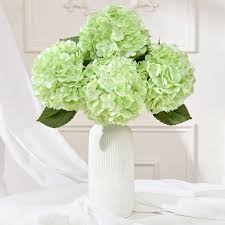
Grow White Green Hydrangeas from heirloom non-GMO seeds for elegant blooms with fresh white and green tones. Ideal for flower beds, borders, containers, cottage gardens, patios, and attractive landscape displays.
Key Features
- Produces large clusters of white and green-toned flowers.
- Heirloom, non-GMO seeds for ornamental garden growing.
- Adds soft, elegant color to borders and landscape beds.
- Suitable for containers, patios, cottage gardens, and shaded garden spaces.
- Performs best in moist, well-drained soil with consistent watering.
- Attractive choice for fresh-cut and dried floral arrangements.
Growing Benefits
- Adds refined white and green tones to garden landscapes.
- Large flower clusters create strong visual interest.
- Suitable for foundation plantings, borders, and containers.
- Works well in cottage-style and ornamental gardens.
- Provides attractive blooms for seasonal floral arrangements.
Seed Specifications
- Common Name: Hydrangea
- Botanical Name: Hydrangea spp.
- Plant Type: Deciduous flowering shrub
- Flower Color: White and green, varying with species and growing conditions
- Flower Shape: Rounded or conical flower clusters, depending on species
- Foliage: Broad green leaves
- Growth Habit: Upright, bushy, or spreading depending on species
- Sunlight: Partial shade to morning sun
- Soil: Moist, fertile, well-drained soil rich in organic matter
- Water: Moderate to high; maintain consistent soil moisture
- Germination Time: Variable; commonly several weeks under favorable conditions
- Sowing Depth: Surface sow or cover very lightly
- Spacing: Approximately 3–6 feet depending on species and mature size
- Growing Zones: Generally USDA Zones 3–9, depending on species
- Flowering: Summer to early fall, depending on species and climate
- Uses: Flower beds, borders, foundation plantings, containers, cottage gardens, woodland-style gardens, cut flowers, and ornamental landscapes
Growing Tips
- Hydrangea seeds are very small and should be sown on the surface or covered only lightly.
- Start seeds indoors in a fine, well-drained seed-starting medium.
- Provide bright filtered light during germination and early seedling growth.
- Keep the growing medium consistently moist without creating waterlogged conditions.
- Protect young plants from harsh afternoon sun and drying winds.
- Allow plenty of space for mature shrubs to develop.
Seed Storage
Store unused seeds in a cool, dry, dark location. Keep them sealed in their original packet or an airtight container away from moisture, heat, and direct sunlight.
Important Growing Note
“White Green Hydrangea” describes flower coloration rather than a single botanical species. Hydrangea flower color, form, mature size, and hardiness vary by species and cultivar. Plants grown from seed may not reproduce the exact characteristics of a named parent plant, so the botanical identity supplied with the seed should be confirmed.
Unique Facts
- Hydrangeas belong to the Hydrangeaceae family.
- Many Hydrangea species produce large clusters made up of numerous individual flowers.
- Some hydrangea flowers naturally mature from greenish tones toward white or other colors.
- Hydrangeas are popular ornamental shrubs for borders, foundation plantings, cottage gardens, and cut-flower displays.