


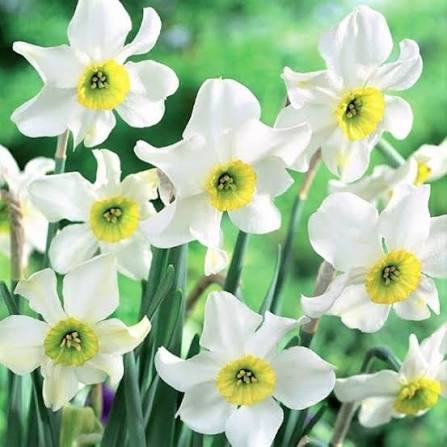
Grow White Daffodils from heirloom non-GMO seeds for elegant spring blooms and fresh garden color. Ideal for flower beds, borders, cottage gardens, naturalized areas, containers, and seasonal ornamental displays.
Key Features
- Produces elegant white flowers with distinctive trumpet or cup-shaped centers.
- Heirloom, non-GMO flower seeds for ornamental garden growing.
- Adds bright spring color to beds, borders, and cottage gardens.
- Suitable for naturalized plantings and selected containers.
- Performs best in well-drained soil with a suitable cool growing period.
- Long-lived perennial plants can return in favorable growing conditions.
Growing Benefits
- Adds fresh white color to early spring garden displays.
- Creates attractive group plantings in borders and flower beds.
- Suitable for naturalized garden areas and cottage-style landscapes.
- Can provide flowers for seasonal decorative arrangements.
- Perennial growth offers recurring garden interest under suitable conditions.
Seed Specifications
- Common Name: Daffodil, Narcissus
- Botanical Name: Narcissus spp.
- Plant Type: Bulb-forming perennial
- Flower Color: White, sometimes with contrasting yellow or pale-colored centers depending on species
- Flower Shape: Trumpet, cup, or layered forms depending on species and variety
- Foliage: Narrow, strap-shaped green leaves
- Growth Habit: Upright and clumping
- Sunlight: Full sun to partial shade
- Soil: Fertile, loose, well-drained soil
- Water: Moderate during active growth; avoid prolonged wet conditions
- Germination Time: Variable; seed-grown daffodils may require extended dormancy and more than one growing season to germinate
- Sowing Depth: Approximately ¼–½ inch
- Spacing: Approximately 4–6 inches for young seedlings
- Growing Zones: Generally USDA Zones 3–9, depending on species
- Flowering: Usually spring after a suitable cool period
- Uses: Flower beds, borders, cottage gardens, naturalized plantings, containers, and ornamental landscapes
Growing Tips
- Growing daffodils from seed requires patience because plants typically take several years to reach flowering size.
- Sow fresh seeds in loose, well-drained soil and provide the natural seasonal conditions required by the species.
- Keep young plants evenly moist during active growth but avoid waterlogged soil.
- Allow foliage to mature naturally after flowering so developing bulbs can store energy.
- Plant in groups for a stronger visual effect.
- Select species suited to your local climate and growing zone.
Seed Storage
Store unused seeds in a cool, dry, dark location. Keep them sealed in their original packet or an airtight container away from moisture, heat, and direct sunlight. Fresh seed is generally preferred for successful germination.
Important Growing Note
Daffodils are most commonly propagated from bulbs because seed-grown plants take several years to flower and may not reproduce the exact characteristics of a parent plant. “White Daffodil” is a descriptive flower-color name covering multiple Narcissus species and cultivars, so exact flower form and color should be confirmed from the seed supplier.
Unique Facts
- Daffodils belong to the genus Narcissus in the Amaryllidaceae family.
- A daffodil flower typically consists of six outer tepals surrounding a central corona.
- Most garden daffodils are grown from bulbs rather than seeds for faster and more predictable flowering.
- Daffodils are among the classic spring-flowering perennial garden plants.