


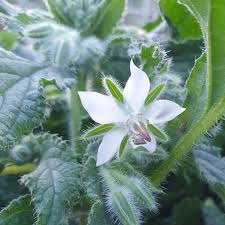
Key Features
- Produces delicate white, star-shaped flowers with an elegant garden appearance.
- Annual herb with attractive green foliage and a naturally spreading growth habit.
- Suitable for herb gardens, cottage gardens, borders, containers, and pollinator-friendly spaces.
- Performs well in full sun to partial shade and well-drained soil.
- A distinctive borage selection for gardeners seeking an unusual flower color.
Growing Benefits
- Adds soft white blooms and texture to garden spaces.
- Beginner-friendly annual with straightforward growing requirements.
- Works well in herb beds, borders, containers, and cottage gardens.
- Provides attractive flowers for decorative garden displays.
- Can offer nectar and pollen resources for visiting pollinators.
Seed Specifications
- Common Name: White Borage, Starflower
- Botanical Name: Borago officinalis
- Plant Type: Annual herb
- Colors: White
- Height: Approximately two to three feet
- Sunlight: Full sun to partial shade
- Soil: Well-drained, moderately fertile soil
- Water: Moderate; keep soil evenly moist while establishing
- Germination Time: Approximately seven to fourteen days under favorable conditions
- Sowing Depth: Approximately one-half inch
- Spacing: Approximately twelve to eighteen inches
- Growing Zones: Commonly grown as an annual across a wide range of USDA zones
- Flowering/Maturity: Generally flowers during the warm growing season
- Uses: Herb gardens, cottage gardens, borders, containers, ornamental plantings, and pollinator gardens
Growing Tips
- Select a sunny or lightly shaded location with good drainage.
- Direct sow where the plants will grow because borage develops a substantial taproot.
- Cover seeds lightly with soil and keep the planting area evenly moist during germination.
- Give plants adequate room to develop their naturally spreading form.
Seed Storage
Store unused seeds in a cool, dry, dark location. Keep the packet sealed or place it in an airtight container. Protect seeds from humidity, heat, and direct sunlight.
Unique Facts About Seeds
- Borage is commonly known as starflower because of its distinctive star-shaped flowers.
- Borage belongs to the Boraginaceae family.
- The familiar species Borago officinalis typically produces blue flowers, while white-flowering forms are cultivated selections.
- Borage can readily self-seed in suitable garden conditions.