


Shopify Product Title
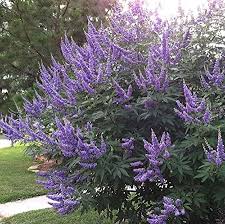
Vitex Plant Seeds for Planting – Heirloom Non-GMO Garden Seeds
Graceful flower spikes and airy garden beauty.
Short Product Description
Grow Vitex from heirloom non-GMO seeds for an attractive woody shrub or small tree with aromatic foliage and clusters of purple-blue flowers. Ideal for sunny borders, cottage gardens, pollinator spaces, and warm-climate landscapes.
Key Features
-
Produces attractive clusters of purple-blue flowers on upright stems.
-
Develops aromatic, palmate green foliage with a graceful appearance.
-
Heirloom, non-GMO seeds for home garden growing.
-
Ideal for borders, cottage gardens, pollinator spaces, and landscapes.
-
Performs best in full sun and well-drained soil.
-
Can develop into a substantial shrub or small tree.
Growing Benefits
-
Adds height and structure to sunny garden landscapes.
-
Creates attractive seasonal color with purple-blue flower clusters.
-
Provides aromatic foliage for ornamental garden interest.
-
Works well in cottage-style and pollinator-friendly plantings.
-
Offers long-term landscape interest in suitable climates.
Seed Specifications
-
Common Name: Vitex, Chaste Tree
-
Botanical Name: Vitex agnus-castus
-
Plant Type: Deciduous shrub or small tree
-
Flower Color: Purple, blue, or lavender-blue
-
Flower Shape: Small tubular flowers arranged in upright flower spikes
-
Foliage: Aromatic, palmate green leaves with multiple leaflets
-
Growth Habit: Upright, spreading, and branching
-
Sunlight: Full sun
-
Soil: Fertile to moderately fertile, loose, well-drained soil
-
Water: Moderate during establishment; relatively drought tolerant once established
-
Germination Time: Approximately 14–30 days under favorable conditions
-
Sowing Depth: Approximately ¼ inch
-
Spacing: Approximately 6–12 feet depending on intended mature size
-
Growing Zones: Generally suited to USDA Zones 6–9, depending on local conditions
-
Flowering/Maturity: Typically flowers during the warmer growing season after sufficient establishment
-
Uses: Cottage gardens, borders, pollinator gardens, specimen plantings, hedges, and ornamental landscapes
Growing Tips
-
Choose a sunny planting location with plenty of room for mature growth.
-
Use loose, well-drained soil and avoid areas that remain waterlogged.
-
Keep young seedlings consistently moist while they establish.
-
Prune established plants as needed to maintain a desirable shape and size.
Seed Storage
Store unused seeds in a cool, dry, dark location. Keep them sealed in their original packet or an airtight container away from moisture, heat, and direct sunlight. Properly stored seed should be kept protected from temperature and humidity fluctuations.
Important Growing Note
Vitex is a woody shrub or small tree, not a typical annual flower. Vitex agnus-castus can become quite large when mature, so provide adequate planting space. Seed-grown plants may vary in growth habit, flowering performance, and exact characteristics compared with a selected parent plant.
Unique Facts
-
Vitex is commonly known as chaste tree or chasteberry.
-
Its leaves are palmately divided into several narrow leaflets.
-
Fragrant purple-blue flower spikes are a distinctive feature of established plants.
-
Vitex can be trained as a multi-stemmed shrub or small ornamental tree.
-
Its flowers can attract bees, butterflies, and other visiting insects during the blooming season.