Skip to product information
1 of 3

EdenValleySeeds

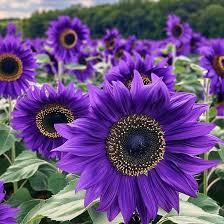
Violet Sunflower Flower Seeds for Planting – Pollinator Friendly Garden Seeds for Home Gardeners USA

Violet Sunflower Flower Seeds for Planting – Pollinator Friendly Garden Seeds for Home Gardeners USA

No reviews yet
Regular price $18.89 USD
Regular price Sale price $18.89 USD
Sale Sold out
Size
Quantity
DELIVERY ESTIMATE
Oct 22 – Oct 24 Estimated arrival
ORDER Oct 12 Order placed
ORDER READY Oct 14 – Oct 15 2–3 business days
DELIVERED Oct 22 – Oct 24 10–12 business days total
Carefully packed and tracked from dispatch to delivery.
Secure checkout Carefully packed seeds Tracked delivery Quality-focused selection
View full details

Key Features

  • Produces distinctive violet-toned sunflower blooms for a colorful garden display.

  • Tall, upright annual plants add height and visual interest to flower beds and borders.

  • Sun-loving flowers are well suited to sunny garden spaces and cottage-style landscapes.

  • Attractive blooms can help provide a useful nectar and pollen source for visiting pollinators.

  • Great for flower beds, borders, cutting gardens, and backyard growing.

Growing Benefits

  • Adds bold color and vertical interest to home gardens.

  • Simple to grow from seed with suitable sunlight, soil, and moisture.

  • Makes an appealing choice for pollinator-friendly garden spaces.

  • Can provide attractive blooms for seasonal garden displays and bouquets.

  • Offers an enjoyable seed-to-flower experience for beginner gardeners.

Seed Specifications

  • Common Name: Violet Sunflower

  • Botanical Name: Helianthus annuus

  • Plant Type: Annual flowering plant

  • Colors: Violet or purple-toned blooms, depending on variety

  • Height: Typically tall-growing; final height varies by variety and growing conditions

  • Sunlight: Full sun

  • Soil: Fertile, well-drained soil

  • Water: Regular watering; keep soil evenly moist during establishment

  • Germination Time: Usually about one to two weeks under suitable conditions

  • Sowing Depth: About one-half to one inch deep

  • Spacing: About twelve to eighteen inches apart, depending on variety

  • Growing Zones: Generally adaptable across a wide range of USDA growing zones when grown as a warm-season annual

  • Flowering/Maturity: Commonly blooms within about seventy to one hundred days, depending on variety and conditions

  • Uses: Flower beds, borders, cottage gardens, pollinator gardens, cutting gardens, and ornamental displays

Growing Tips

  • Choose a location that receives plenty of direct sunlight each day.

  • Sow seeds directly into prepared soil after the danger of frost has passed.

  • Keep the soil consistently moist while seeds are germinating and seedlings are becoming established.

  • Give mature plants enough room to develop strong stems and good air circulation.

Seed Storage

Store unused seeds in a cool, dry, and dark location. Keep them in a tightly sealed, moisture-resistant container away from heat, humidity, and direct sunlight. Always allow seeds to remain dry to help preserve their quality.

Unique Facts About Seeds

  • Sunflowers belong to the genus Helianthus, a name derived from Greek words associated with the sun and flower.

  • What looks like a single sunflower bloom is actually a flower head made up of many individual florets.

  • Sunflower flower heads can attract bees, butterflies, and other visiting pollinators.

  • Sunflowers naturally grow toward light when young, a behavior known as heliotropism.

Growing Instructions

Planting Season: Sow sunflower seeds outdoors after the threat of frost has passed and the soil has warmed. Sunflowers are warm-season plants and perform best in sunny conditions.

Sowing: Select a sunny planting location and loosen the soil before sowing. Plant seeds directly into the garden whenever possible, as sunflowers generally develop best without unnecessary root disturbance.

Depth: Cover seeds with approximately one-half to one inch of soil. Avoid planting too deeply, as young seedlings need suitable conditions to emerge.

Spacing: Leave approximately twelve to eighteen inches between plants, adjusting spacing according to the mature size of the particular variety.

Sunlight: Provide full sun for strong growth and better flowering. A location with several hours of direct sunlight is ideal.

Soil: Use fertile, well-drained soil. Avoid areas where water remains standing after rainfall or irrigation.

Watering: Water regularly after sowing to keep the soil evenly moist. Once plants are established, water deeply when the soil begins to dry, giving extra attention during hot or dry periods.

Germination: Seeds commonly germinate within about one to two weeks when planted in warm soil with adequate moisture.

Transplanting: Direct sowing is preferred. If starting indoors, transplant young seedlings carefully while they are still small to minimize root disturbance.

Fertilizing: Begin with fertile soil and avoid excessive nitrogen, which can encourage leafy growth at the expense of flowering. A balanced fertilizer may be used when soil fertility is low, following the product label.

Care: Keep the planting area free of competing weeds while seedlings establish. Taller plants may benefit from support in windy locations. Remove damaged plant material as needed and monitor plants regularly for common garden pests.

Flowering/Maturity: Flowering generally occurs within about seventy to one hundred days, although timing varies with variety, temperature, sunlight, and growing conditions.