


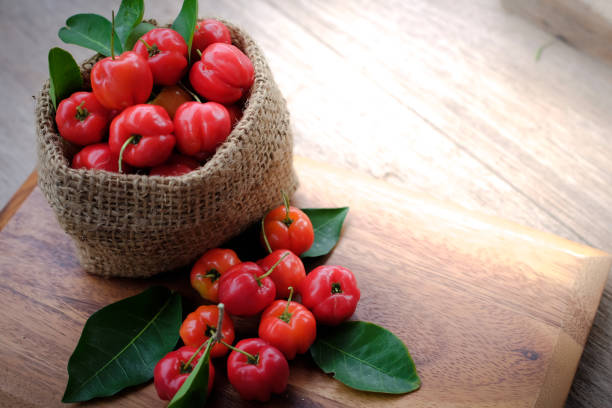

Key Features
- Sweet acerola cherry fruit plant with attractive tropical growth
- Produces small, bright red to orange-red cherry-like fruits
- Compact, branching plant suited to warm garden environments
- Glossy green foliage adds ornamental appeal to edible gardens
- Fruits are valued for their tart-sweet flavor and culinary uses
Growing Benefits
- Adds an interesting tropical fruit plant to home gardens
- Provides attractive foliage alongside colorful edible fruit
- Suitable for gardeners exploring unusual fruit-growing varieties
- Can be grown as an ornamental and fruit-bearing plant
- Offers an enjoyable growing project for warm-climate gardeners
Seed Specifications
- Common Name: Acerola Cherry, Barbados Cherry, West Indian Cherry
- Botanical Name: Malpighia emarginata
- Plant Type: Tropical perennial fruiting shrub or small tree
- Colors: Green foliage, pink to reddish flowers, red to orange-red fruits
- Height: Commonly grows several feet tall, depending on climate and growing conditions
Additional Growing Specifications
- Sunlight: Full sun to partial shade; best fruiting generally occurs with abundant sunlight
- Soil: Fertile, well-draining soil with good organic matter
- Water: Keep soil evenly moist while avoiding prolonged waterlogging
- Germination Time: Germination can be slow and variable because acerola seeds may have dormancy
- Sowing Depth: Sow shallowly, lightly covering the seeds with fine growing medium
- Spacing: Provide generous space for mature branching growth
- Growing Zones: Best suited to tropical and subtropical climates; protect from frost
- Flowering/Maturity: Flowering may occur during warm growing periods, followed by fruit development under suitable conditions
- Uses: Fresh eating, juices, preserves, desserts, smoothies, and ornamental edible gardening
Growing Tips
- Use fresh, well-draining seed-starting medium and avoid keeping it saturated.
- Provide warm temperatures and bright light during the early growing stage.
- Transplant seedlings carefully after they become established and weather remains warm.
- Protect young plants from frost, cold winds, and sudden temperature changes.
Seed Storage
Store unused seeds in a cool, dry, dark place away from moisture and direct sunlight. Keep them in a sealed, moisture-resistant container and label the container with the seed name and storage date.
Unique Facts About Acerola Seeds
- Acerola is native to tropical regions of the Americas and is widely grown in warm climates.
- The plant belongs to the Malpighiaceae family and is related to other tropical flowering plants in the family.
- Acerola fruits are botanically classified as drupes and can develop bright red coloration when ripe.
- Seeds can show variable or delayed germination, making fresh seed and consistent warm conditions especially helpful.