


Key Features
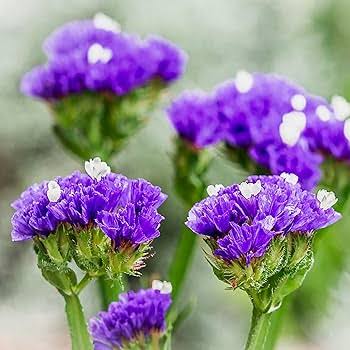
- Produces delicate, papery blooms in attractive lavender, purple, blue, pink, white, or related shades depending on species and variety.
- Upright flowering stems rise above a basal rosette of green foliage.
- Excellent choice for cutting gardens, cottage gardens, borders, containers, and dried-flower arrangements.
- Performs best in full sun and well-drained soil.
- Flowers have long-lasting colored calyces that retain their decorative appeal when dried.
Growing Benefits
- Adds airy texture and soft color to flower beds and borders.
- Excellent for fresh and dried floral arrangements.
- Suitable for sunny, low-water garden areas once established.
- Works well in cottage, rock, coastal, and cutting gardens.
- Provides an attractive seasonal display with relatively low maintenance.
Seed Specifications
- Common Name: Sea Lavender, Statice
- Botanical Name: Limonium spp.
- Plant Type: Annual, biennial, or herbaceous perennial depending on species
- Colors: Lavender, purple, blue, pink, white, yellow, or related shades depending on variety
- Height: Approximately twelve to thirty inches, depending on species
- Sunlight: Full sun
- Soil: Well-drained, preferably sandy or sandy-loam soil
- Water: Moderate while establishing; avoid excessive moisture
- Germination Time: Approximately five to fourteen days under favorable conditions
- Sowing Depth: Surface sow or cover very lightly
- Spacing: Approximately eight to eighteen inches, depending on variety
- Growing Zones: Varies by species; commonly grown as an annual in colder climates
- Flowering/Maturity: Generally flowers during the warm growing season; timing varies by species and growing conditions
- Uses: Fresh cut flowers, dried arrangements, borders, containers, cottage gardens, rock gardens, and coastal gardens
Growing requirements vary among Limonium species. Annual statice is commonly grown from seed, while some perennial sea lavender varieties can return for multiple seasons.
Growing Tips
- Give plants a sunny location with excellent drainage.
- Press seeds gently into the growing medium and cover only lightly because light can aid germination.
- Keep the seed-starting medium moist but never waterlogged.
- Remove spent flower stems after flowering to maintain a neat appearance and encourage continued garden interest.
Seed Storage
Keep unused seeds in a cool, dry, dark location. Store them in a sealed container or their original packet away from humidity, heat, and direct sunlight. Make sure the seeds remain dry during storage.
Unique Facts About Seeds
- Sea lavender belongs to the Limonium genus in the Plumbaginaceae family.
- Different Limonium species may be annuals, biennials, or perennials.
- The papery colored calyces can remain attractive long after the small true flowers fade, making statice especially valuable for dried arrangements.
- Sea lavender is valued for cut-flower use and can tolerate relatively dry conditions after becoming established.