


Key Features
-
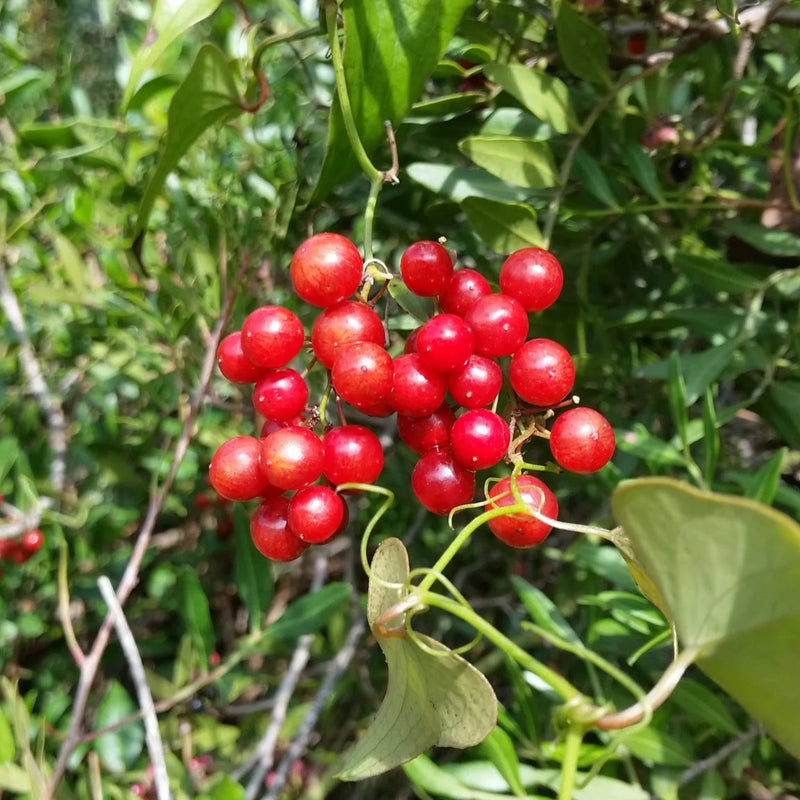
Grow an unusual sarsaparilla fruit plant from seed in a warm, suitable growing environment.
-
Attractive choice for gardeners interested in uncommon fruiting plants and botanical varieties.
-
Well suited to containers, protected gardens, patios, and warm outdoor growing spaces.
-
Adds an interesting tropical or subtropical character to diverse plant collections.
-
An enjoyable choice for gardeners who love discovering distinctive plants from seed.
Growing Benefits
-
Adds attractive greenery to home gardens and container collections.
-
Offers an engaging seed-to-plant growing experience for gardening enthusiasts.
-
Provides an unusual fruiting plant for warm-climate gardens.
-
Can be grown in containers where outdoor temperatures are unsuitable.
-
Creates an interesting addition to edible and botanical garden collections.
Seed Specifications
-
Plant Type: Fruiting perennial plant or vine, depending on species
-
Seed Type: Sarsaparilla fruit seeds for planting
-
Growing Habit: Climbing, trailing, or shrubby depending on variety
-
Growing Environment: Warm outdoor gardens or protected containers
-
Best Use: Home gardens, patios, conservatories, and unusual plant collections
Growing Tips
-
Start seeds in a warm, well-draining growing medium.
-
Keep the soil consistently moist without allowing it to become waterlogged.
-
Provide bright light and protect young plants from cold temperatures.
-
Give climbing types suitable support as new growth develops.
Seed Storage
Store unused seeds in a cool, dry location away from direct sunlight, moisture, and excessive heat. Keep seeds in an airtight container until planting, and avoid repeated exposure to humid conditions.
Unique Facts About Seeds
-
The name “sarsaparilla” can refer to several different plant groups, so fruit and growth characteristics may vary by species.
-
Some plants sold under the sarsaparilla name are climbing or scrambling plants.
-
Sarsaparilla varieties are associated with warm climates and can be sensitive to cold.
-
Growing plants from seed allows gardeners to observe their development from the earliest stage.
-
Different sarsaparilla species can produce distinctly shaped foliage, flowers, and fruits.