


Key Features
- Chinese foxglove, a distinctive rhizomatous perennial herb
- Forms attractive basal rosettes with softly hairy foliage
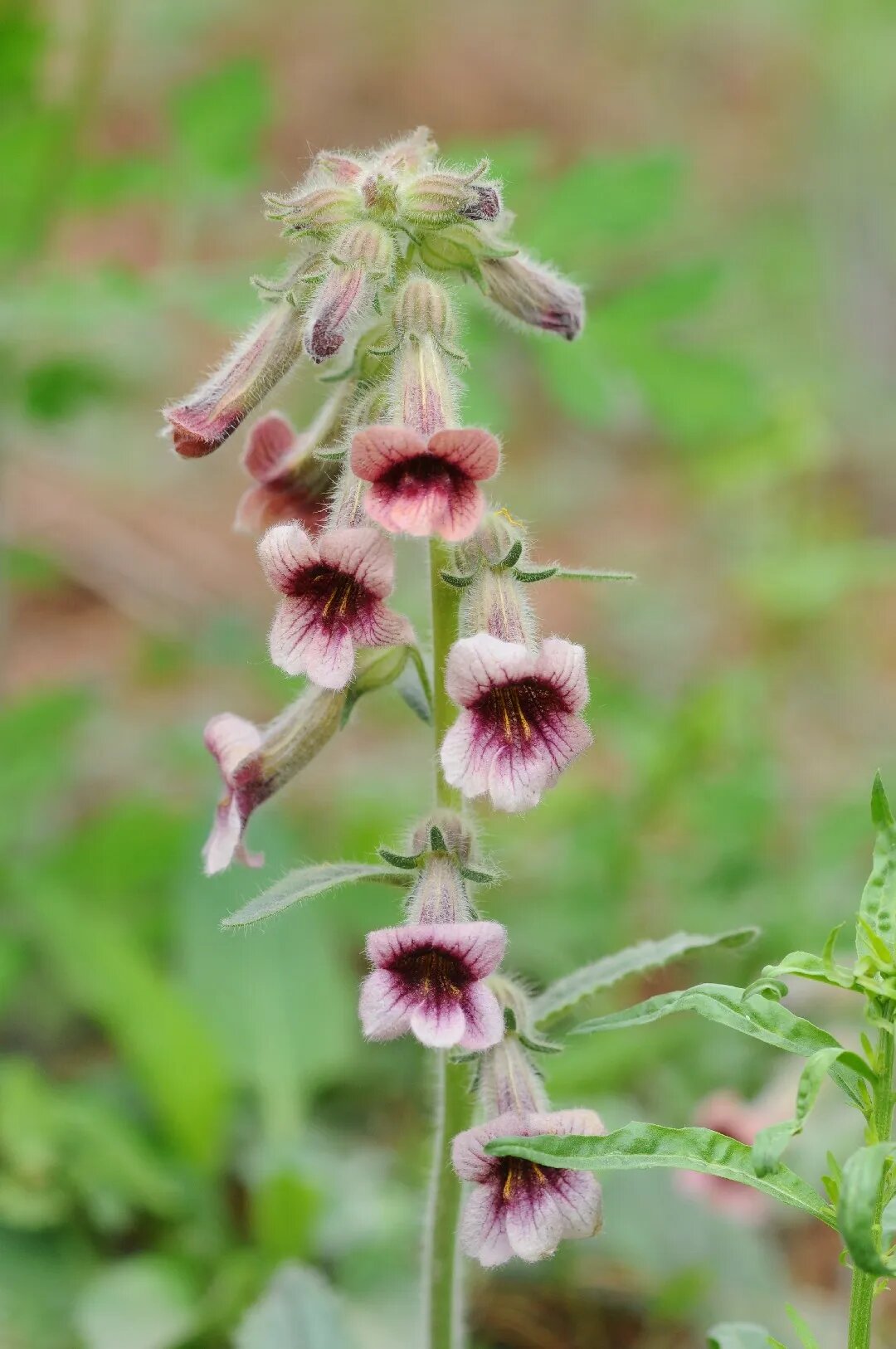
- Produces tubular reddish-brown to purplish flowers with marked throats
- Suitable for herb gardens, cottage gardens, borders, and rock gardens
- Traditionally cultivated for its fleshy rhizomes
Growing Benefits
- Adds an unusual perennial herb to home garden collections
- Attractive foliage provides interest before and during flowering
- Compact growth works well in borders and smaller garden spaces
- Offers an interesting plant for gardeners exploring traditional herbs
- Adaptable to well-drained garden conditions with suitable moisture
Seed Specifications
Common Name: Chinese Foxglove, Glutinous Rehmannia, Adhesive Rehmannia
Botanical Name: Rehmannia glutinosa
Plant Type: Herbaceous rhizomatous perennial
Colors: Green foliage; reddish-brown, purple, yellowish-brown flowers
Height: About thirty centimeters; may vary with growing conditions
Sunlight: Full sun; some afternoon shade can help in hot climates
Soil: Fertile, well-drained, moderately moist soil; avoid heavy waterlogged ground
Water: Moderate and consistent during active growth, with excellent drainage
Germination Time: Commonly around one to two weeks under suitable conditions
Sowing Depth: Surface sow or cover only very lightly, as light supports germination
Spacing: Allow roughly fifteen to twenty-five centimeters between established plants
Growing Zones: Generally suited to USDA Zones seven through ten
Flowering/Maturity: Flowers from late spring into early summer; maturity may take more than one growing season
Uses: Ornamental herb gardens, cottage gardens, rock gardens, borders, and traditional herbal cultivation
Growing Tips
- Sow seeds on the surface or barely cover them with fine soil, keeping them exposed to light.
- Maintain gentle moisture without saturating the growing medium.
- Provide bright light and warmth during germination for stronger seedling development.
- Transplant young plants carefully once they have developed several true leaves.
Seed Storage
Store unused seeds in a cool, dry, dark location in a tightly sealed container. Protect them from moisture, heat, and direct sunlight. Label the container with the seed name and storage date.
Unique Facts About the Seeds
- Rehmannia glutinosa produces extremely small seeds with a distinctive polygonal seed coat.
- Research has found that light and warm conditions can strongly support seed germination.
- The species is native to China and is a perennial member of the Orobanchaceae family.
- Its fleshy rhizomes have a long history of use in traditional Chinese herbal practices.