


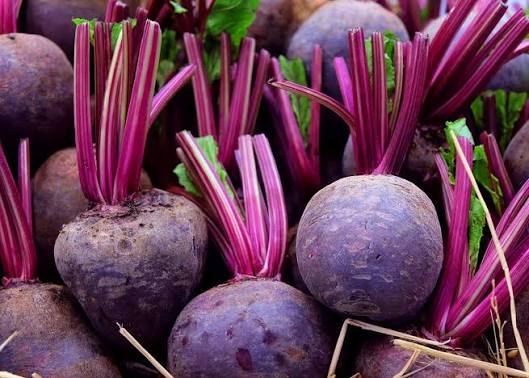
Key Features
- Produces deep purple to burgundy beet roots with rich color.
- Edible roots and leafy greens provide versatile garden harvests.
- Cool-season vegetable suited to home gardens and raised beds.
- Attractive color makes it appealing for fresh salads and cooking.
- Easy-to-grow root vegetable for beginner and experienced gardeners.
Growing Benefits
- Adds striking purple color to your vegetable garden.
- Provides both nutritious beet roots and edible young greens.
- Suitable for garden beds, raised beds, and containers.
- Offers a rewarding crop for home vegetable gardeners.
- Useful for fresh eating, roasting, steaming, pickling, and cooking.
Seed Specifications
- Common Name: Purple Beet, Purple Beetroot, Garden Beet
- Botanical Name: Beta vulgaris
- Plant Type: Biennial root vegetable, commonly grown as an annual
- Colors: Purple to deep burgundy roots; green leaves
- Height: Approximately 12–24 inches
- Sunlight: Full sun to partial shade
- Soil: Loose, fertile, well-draining soil
- Water: Keep soil consistently moist without waterlogging
- Germination Time: Usually about 5–14 days under suitable conditions
- Sowing Depth: About ½ inch deep
- Spacing: Thin seedlings to about 3–4 inches apart
- Growing Zones: Generally adaptable across USDA Zones 2–11, depending on season
- Flowering/Maturity: Root maturity commonly takes about 50–70 days
- Uses: Salads, roasting, steaming, pickling, cooking, and edible greens
Growing Tips
- Sow seeds in loose soil to allow roots to develop without restriction.
- Keep the seedbed evenly moist until seedlings are well established.
- Thin seedlings after emergence to provide adequate root development space.
- Harvest roots when they reach your preferred size for tender texture.
Seed Storage
Keep unused seeds in a cool, dry, dark place away from moisture and heat. Store them in a sealed seed packet or airtight container. Avoid humid areas and frequent temperature changes.
Unique Facts About Seeds
- Beet seeds are clusters containing multiple seeds rather than single-seed units.
- Purple beet roots contain naturally occurring pigments responsible for their deep color.
- Beetroot and Swiss chard belong to the same species, Beta vulgaris.
- Beet plants provide two edible harvests: the roots and their tender young leaves.