



Key Features
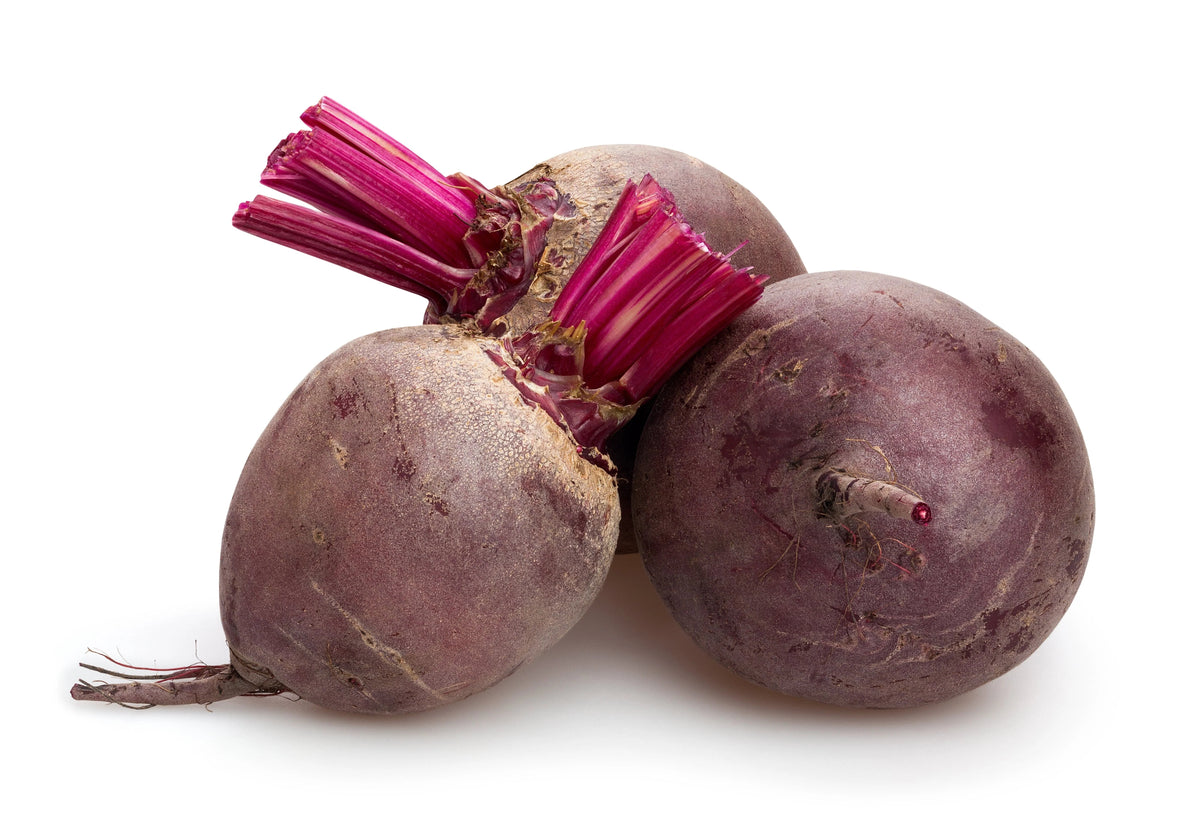
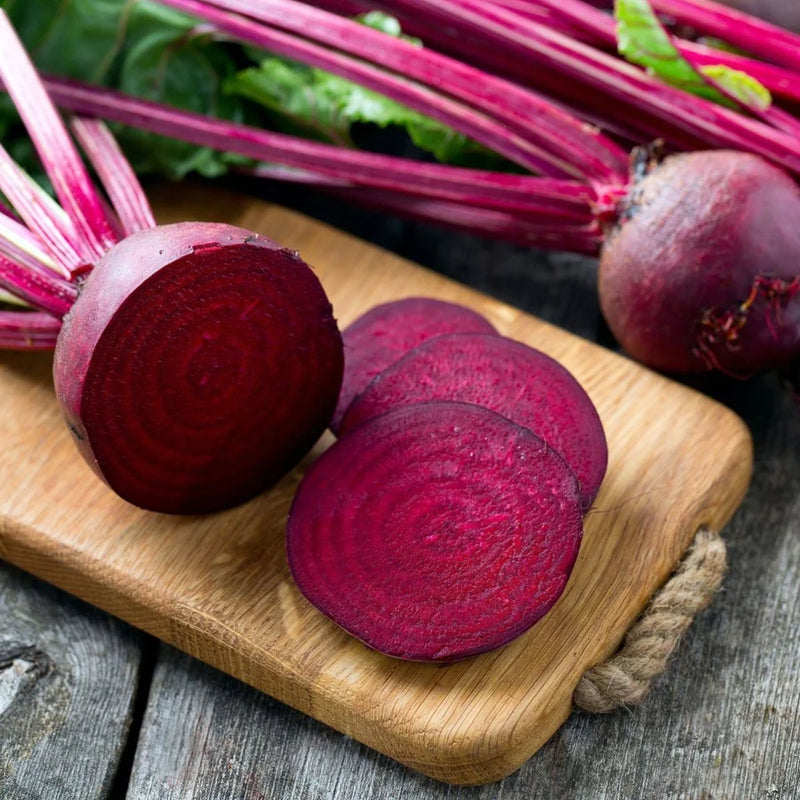
- Classic red beet variety with deep red roots and edible green tops
- Cool-season root crop suited to vegetable gardens and containers
- Compact growth makes it practical for raised beds and smaller spaces
- Roots offer earthy flavor and vibrant color for fresh cooking
- Greens can be harvested young for salads and cooked dishes
Growing Benefits
- Enjoy the satisfaction of growing fresh beets from seed at home
- Provides both flavorful roots and nutritious edible leafy greens
- Works well in raised beds, containers, and traditional garden plots
- Suitable for succession sowing during favorable cool-season conditions
- Adds an attractive deep-red root crop to productive vegetable gardens
Seed Specifications
- Common Name: Red Beet, Beetroot, Garden Beet
- Botanical Name: Beta vulgaris
- Plant Type: Cool-season biennial commonly grown as an annual
- Colors: Deep red to burgundy roots; green foliage with red veins
- Height: About one to two feet, including foliage
- Sunlight: Full sun to partial shade
- Soil: Loose, fertile, well-drained soil with good organic matter
- Water: Keep soil consistently moist without waterlogging
- Germination Time: Approximately five to fourteen days
- Sowing Depth: About one-half inch deep
- Spacing: Thin seedlings to about three to four inches apart
- Growing Zones: Generally adaptable across USDA Zones two through eleven
- Flowering/Maturity: Usually ready for harvest in roughly fifty to seventy days, depending on conditions and variety
- Uses: Fresh eating, roasting, boiling, pickling, salads, soups, and edible greens
Growing Tips
- Sow seeds directly into loose soil because beet roots dislike disturbance.
- Keep the seedbed evenly moist during germination and early growth.
- Thin crowded seedlings carefully to encourage well-formed roots.
- Harvest roots while young and tender for a smoother texture and flavor.
Seed Storage
Store unused seeds in a cool, dry, dark location away from moisture and heat. Keep them in a tightly sealed packet or airtight container. Label the container with the variety and storage date for convenient future planting.
Unique Facts About Seeds
- Beet seeds are actually clusters containing multiple seeds, so thinning is often necessary.
- Beetroot and Swiss chard belong to the same species, Beta vulgaris.
- Beet plants produce edible roots as well as tender leafy greens.
- Beets naturally contain betalain pigments that give many varieties their distinctive red color.