


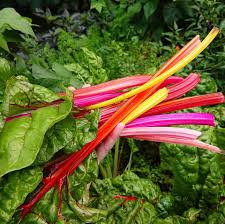
Key Features
- Produces colorful Swiss chard with stems in vibrant red, pink, yellow, orange, and white shades.
- Heirloom, non-GMO seed mix for colorful home vegetable gardens.
- Attractive foliage and bright stems add ornamental appeal to edible landscapes.
- Suitable for garden beds, raised beds, borders, and containers.
- Performs well in fertile, well-drained soil with regular moisture.
Growing Benefits
- Adds vibrant color and texture to vegetable gardens.
- Provides fresh leafy greens and colorful stems for cooking.
- Suitable for containers and smaller growing spaces.
- Works beautifully in mixed vegetable beds and edible landscapes.
- A rewarding choice for gardeners who enjoy colorful heirloom crops.
Seed Specifications
- Common Name: Rainbow Swiss Chard
- Botanical Name: Beta vulgaris var. cicla
- Plant Type: Biennial, commonly grown as an annual
- Foliage: Broad, glossy green leaves
- Stem Colors: Red, pink, yellow, orange, white, and mixed shades
- Growth Habit: Upright leafy rosette
- Sunlight: Full sun to partial shade
- Soil: Fertile, well-drained soil rich in organic matter
- Water: Regular and consistent
- Germination Time: Approximately 5–14 days under favorable conditions
- Sowing Depth: Approximately ½ inch
- Spacing: Approximately 6–12 inches between plants
- Growing Zones: Generally suited to USDA Zones 2–11
- Maturity: Approximately 50–60 days for mature leaves; baby leaves can be harvested earlier
- Uses: Salads, sautés, soups, side dishes, containers, raised beds, borders, and edible gardens
Growing Tips
- Sow seeds directly outdoors once soil is workable and temperatures are suitable.
- Swiss chard can be planted in spring and again for fall harvests in many climates.
- Cover seeds lightly with soil and keep the seedbed evenly moist.
- Thin seedlings to provide adequate room for mature plants.
- Harvest outer leaves regularly while allowing the center to continue producing.
- Provide afternoon shade in very hot climates to help maintain tender foliage.
Seed Storage
Store unused seeds in a cool, dry, dark location. Keep them sealed in their original packet or an airtight container away from moisture, heat, and direct sunlight.
Unique Facts About Seeds
- Swiss chard belongs to the Amaranthaceae family and is closely related to beet.
- Rainbow chard is valued for its mix of brightly colored stems.
- The colorful stems can range from red and pink to yellow, orange, and white.
- Swiss chard is a versatile leafy vegetable that can be harvested at both baby-leaf and mature stages.