


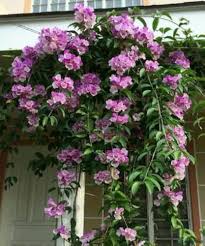
Grow Purple Verbena tenuisecta from heirloom non-GMO seeds for clusters of purple blooms and finely divided green foliage. Ideal for borders, containers, rock gardens, ground cover, cottage gardens, and sunny landscapes.
Key Features
- Produces clusters of small purple flowers throughout the growing season.
- Fine, fern-like foliage creates an attractive spreading appearance.
- Heirloom, non-GMO seeds for ornamental garden growing.
- Suitable for borders, containers, rock gardens, and cottage gardens.
- Performs best in full sun with well-drained soil.
- Established plants can tolerate periods of dry conditions.
Growing Benefits
- Adds long-lasting purple color to sunny garden spaces.
- Low-growing habit works well along borders and pathways.
- Spreading growth can provide attractive ground-level coverage.
- Suitable for containers, hanging baskets, and rock gardens.
- Drought tolerance after establishment makes it useful for water-conscious landscapes.
Seed Specifications
- Common Name: Moss Verbena, Creeping Verbena
- Botanical Name: Glandularia tenuisecta (often treated as Verbena tenuisecta)
- Plant Type: Herbaceous perennial, commonly grown as an annual in colder climates
- Flower Color: Purple
- Flower Shape: Small, five-lobed flowers arranged in rounded clusters
- Foliage: Fine, deeply divided green leaves
- Growth Habit: Low-growing, spreading, and trailing
- Sunlight: Full sun
- Soil: Loose, moderately fertile, well-drained soil
- Water: Moderate during establishment; drought tolerant once established
- Germination Time: Approximately 14–28 days under favorable conditions
- Sowing Depth: Surface sow or cover very lightly
- Spacing: Approximately 12–18 inches
- Growing Zones: Generally USDA Zones 7–10 as a perennial; grown as an annual in colder regions
- Flowering: Spring through fall in suitable climates
- Uses: Borders, containers, hanging baskets, rock gardens, cottage gardens, ground cover, pathways, and sunny landscape plantings
Growing Tips
- Sow seeds shallowly because light can assist germination.
- Start seeds indoors 8–10 weeks before the last expected frost.
- Provide bright light and good airflow after seedlings emerge.
- Avoid overwatering once plants become established.
- Trim lightly after a major flowering period to encourage fresh growth.
- Give plants adequate space to spread naturally.
Seed Storage
Store unused seeds in a cool, dry, dark location. Keep them sealed in their original packet or an airtight container away from moisture, heat, and direct sunlight.
Important Growing Note
Verbena tenuisecta is commonly treated taxonomically as Glandularia tenuisecta. Botanical naming can vary between seed sources, so verify the botanical name supplied by your seed provider when preparing product labels.
Unique Facts
- Moss verbena is known for its low, spreading growth habit and fine-textured foliage.
- Its small flowers are grouped into rounded clusters that create a colorful ground-level display.
- It belongs to the Verbenaceae family.
- Established plants can handle short periods of dry conditions better than many moisture-loving flowering plants.