


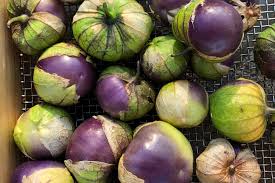
Key Features
- Produces attractive purple to deep violet tomatillo fruits inside papery husks.
- Traditional heirloom choice for home vegetable and specialty gardens.
- Warm-season plants thrive in sunny garden locations.
- Ideal for fresh salsa, sauces, roasting, salads, and cooked recipes.
- Performs best in fertile, well-drained soil with consistent moisture.
Growing Benefits
- Adds striking purple color to the home vegetable garden.
- Provides fresh fruits for homemade salsas and flavorful recipes.
- Offers an interesting alternative to green and yellow tomatillos.
- Suitable for garden beds, raised beds, and large containers.
- A rewarding choice for gardeners growing unusual heirloom vegetables.
Seed Specifications
- Common Name: Purple Tomatillo
- Botanical Name: Physalis philadelphica
- Plant Type: Warm-season annual
- Fruit Color: Purple to deep violet
- Fruit Shape: Round
- Fruit Covering: Papery husk
- Growth Habit: Upright and spreading
- Flower Color: Yellow
- Sunlight: Full sun
- Soil: Fertile, loose, well-drained soil
- Water: Regular and consistent
- Germination Time: Approximately 7–14 days under favorable conditions
- Sowing Depth: Approximately ¼ inch
- Spacing: Approximately 18–24 inches between plants
- Growing Zones: Best grown as a warm-season annual in USDA Zones 5–11
- Maturity: Approximately 70–90 days after transplanting, depending on growing conditions
- Uses: Salsa, sauces, roasting, salads, stews, fresh recipes, and home vegetable gardens
Growing Tips
- Start seeds indoors 6–8 weeks before the last expected spring frost.
- Transplant outdoors after frost danger has passed and the soil has warmed.
- Choose a location receiving 6–8 hours of direct sunlight each day.
- Grow at least two tomatillo plants together to encourage cross-pollination.
- Keep soil consistently moist during active growth and fruit development.
- Harvest when fruits fill their husks and develop their characteristic purple color.
Seed Storage
Store unused seeds in a cool, dry, dark location. Keep them sealed in their original packet or an airtight container away from moisture, heat, and direct sunlight.
Unique Facts About Seeds
- Purple tomatillos belong to the Physalis genus and are related to ground cherries.
- Fruits develop inside distinctive papery husks that protect them as they mature.
- Tomatillo plants generally benefit from cross-pollination between multiple plants.
- Purple fruits provide a naturally colorful ingredient for fresh salsas and other recipes.