


Key Features
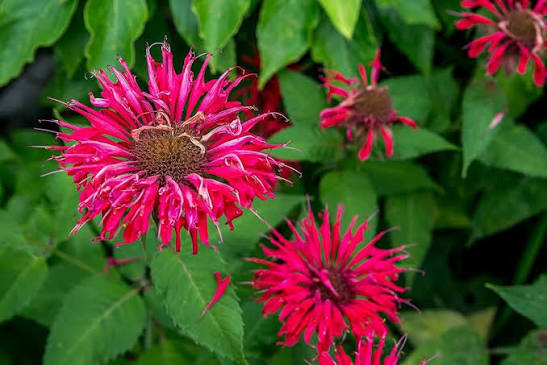
- Produces soft pink to lavender-pink tubular flowers in distinctive rounded clusters.
- Native North American perennial with upright stems and aromatic, mint-scented foliage.
- Excellent for pollinator gardens, cottage gardens, prairie plantings, borders, and naturalized landscapes.
- Performs well in full sun to partial shade and well-drained soil.
- Attractive blooms are valued by bees, butterflies, and hummingbirds.
Growing Benefits
- Adds soft pink color and vertical interest to sunny garden spaces.
- Supports pollinator-friendly garden designs.
- Perennial growth returns season after season in suitable climates.
- Well suited to prairie, cottage, native-style, and naturalized plantings.
- Aromatic foliage adds texture and sensory interest to the garden.
Seed Specifications
- Common Name: Wild Bergamot, Bee Balm, Mintleaf Bee Balm
- Botanical Name: Monarda fistulosa
- Plant Type: Herbaceous perennial
- Colors: Pink, lavender-pink, and pale purple
- Height: Approximately two to four feet
- Sunlight: Full sun to partial shade
- Soil: Well-drained, moderately fertile soil
- Water: Moderate; keep evenly moist during establishment
- Germination Time: Approximately ten to twenty-one days under favorable conditions
- Sowing Depth: Surface sow or cover very lightly
- Spacing: Approximately eighteen to twenty-four inches
- Growing Zones: Generally USDA Zones three through nine
- Flowering/Maturity: Typically flowers during summer after establishment
- Uses: Pollinator gardens, native gardens, prairie plantings, cottage gardens, borders, and naturalized landscapes
Growing Tips
- Choose a sunny location with well-drained soil and good airflow.
- Press seeds gently onto the soil surface instead of burying them deeply.
- Keep the seedbed lightly moist until seedlings are established.
- Give mature plants enough room for airflow and their naturally upright growth.
Seed Storage
Store unused seeds in a cool, dry, dark location. Keep them sealed in their original packet or an airtight container away from humidity, heat, and direct sunlight.
Unique Facts About Seeds
- Wild bergamot is scientifically known as Monarda fistulosa and belongs to the mint family, Lamiaceae.
- The plant is native to much of North America and is commonly found in prairies, meadows, and open woodlands.
- Its aromatic foliage has a minty, oregano-like fragrance when crushed.
- Wild bergamot is an important nectar plant for a variety of bees, butterflies, and hummingbirds.