


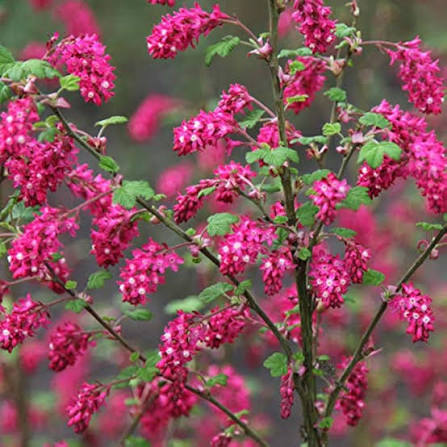
Grow Pink Currant from heirloom non-GMO seeds for delicate pink flowers and graceful branching growth. A lovely choice for cottage gardens, wildlife-friendly landscapes, borders, and naturalized garden spaces with cool to temperate growing conditions.
Key Features
- Produces delicate pink flowers along graceful branching stems.
- Heirloom, non-GMO seed choice for home garden enthusiasts.
- Adds soft color and natural texture to landscape plantings.
- Ideal for cottage gardens, borders, wildlife gardens, and naturalized spaces.
- Attractive flowering shrub for cool to temperate climates.
- Some currant species may produce edible berries after flowering.
Growing Benefits
- Adds soft pink color to spring garden displays.
- Creates natural charm in cottage and wildlife gardens.
- Provides flowers that can attract visiting pollinating insects.
- Develops attractive branching structure for landscape interest.
- Offers potential seasonal berry production depending on species.
Seed Specifications
- Common Name: Pink Currant, Flowering Currant
- Botanical Name: Ribes spp.
- Plant Type: Deciduous flowering shrub
- Flower Color: Pink to rosy pink
- Flower Shape: Small flowers arranged in hanging or upright clusters, depending on species
- Foliage: Green, often lobed leaves
- Growth Habit: Upright, branching shrub
- Height: Approximately 4–10 feet, depending on species
- Sunlight: Full sun to partial shade
- Soil: Moist, fertile, well-drained soil
- Water: Moderate; maintain consistent moisture during establishment
- Germination Time: Variable; seeds may require cold stratification
- Sowing Depth: Approximately ¼–½ inch or surface sow depending on seed size
- Spacing: Approximately 4–8 feet for mature shrubs, depending on species
- Growing Zones: Varies by Ribes species; many flowering currants grow well in USDA Zones 5–8
- Flowering/Maturity: Usually flowers in spring; seed-grown shrubs may require several years to mature
- Uses: Cottage gardens, wildlife gardens, borders, hedges, naturalized plantings, and ornamental landscapes
Growing Tips
- Choose a site with morning sun or full sun and good drainage.
- Give seeds a suitable period of cold, moist conditions when required.
- Allow plenty of space for mature shrub growth.
- Keep young plants watered consistently while their root systems develop.
Seed Storage
Store unused seeds in a cool, dry, dark location. Keep them sealed in their original packet or an airtight container away from moisture, heat, and direct sunlight. If the seed supplier provides specific stratification or storage instructions, follow those recommendations.
Important Growing Note
“Pink Currant” is a common-name description that may refer to different Ribes species. Flower color, mature size, berry characteristics, hardiness, and germination requirements can vary significantly. Some Ribes species are cultivated for ornamental flowers, while others are grown for fruit. Use the botanical name supplied with the seed packet for the most accurate care instructions.
Unique Facts About Seeds
- Currants belong to the genus Ribes, which contains many flowering shrub species.
- Several Ribes species produce attractive clusters of flowers before developing fruit.
- Flowering currants can provide valuable seasonal resources for visiting pollinators.
- Many currants develop lobed foliage that adds texture to garden borders.
- Seed-grown currants may show natural variation in growth, flowering, and fruiting characteristics.