


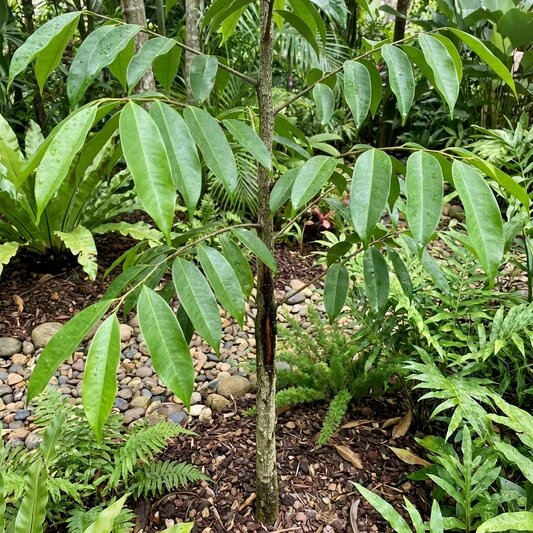
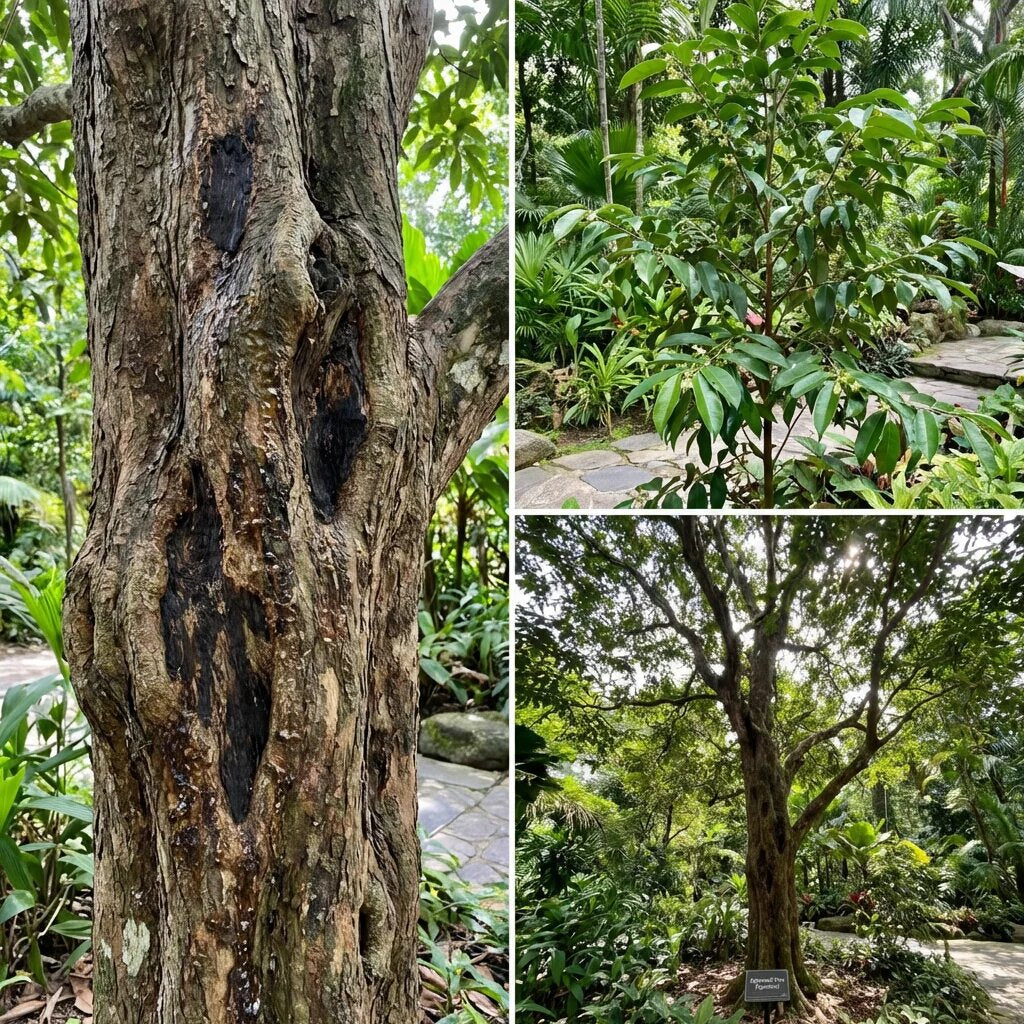

Key Features
- Agarwood Tree Variety: Suitable for growing Aquilaria malaccensis, an evergreen tropical tree valued for its aromatic wood.
- Distinctive Appearance: Produces an attractive tree with elongated green leaves and small greenish-yellow flowers.
- Tropical Growth: Well suited to warm, humid environments with suitable soil drainage and partial shade during early growth.
- Garden & Landscape Use: Can be grown as a long-term landscape or plantation tree where climate and growing conditions are appropriate.
- Fresh Seed Requirement: Agarwood seeds have short viability and are best sown soon after collection for better establishment.
Growing Benefits
- Offers an opportunity to grow a distinctive tropical evergreen tree from seed.
- Suitable for gardeners interested in unusual and culturally significant tree species.
- Can be started in a nursery bed before transplanting to a suitable growing site.
- Provides an interesting long-term tree-growing project for warm-climate gardeners.
- Supports propagation of an important Aquilaria species through seed cultivation.
Seed Specifications
Common Name: Agarwood, Agar Tree, Eaglewood
Botanical Name: Aquilaria malaccensis
Plant Type: Evergreen tropical tree
Colors: Green foliage; greenish-yellow flowers
Height: A large tree at maturity; final height varies with growing conditions
Sunlight: Partial shade is preferred during early seedling growth; established plants can receive brighter conditions
Soil: Well-drained, fertile soil with good organic matter; avoid waterlogged conditions
Water: Keep the seed bed evenly moist without allowing standing water
Germination Time: Usually begins within about two weeks and may continue for several weeks
Sowing Depth: About five millimetres
Spacing: Nursery sowing can use close spacing; allow substantially wider spacing after transplanting
Growing Zones: Warm tropical and subtropical climates; protect young plants from unsuitable cold conditions
Flowering/Maturity: Flowering and tree maturity take time; young seedlings require an extended growing period before field establishment
Uses: Landscape planting, tree cultivation, nursery propagation, conservation-oriented planting, and agarwood cultivation where legally and environmentally appropriate.
Growing Tips
- Use fresh seeds whenever possible because agarwood seeds lose viability relatively quickly.
- Sow in a raised, well-drained nursery bed rather than heavy or waterlogged soil.
- Provide light shade while seedlings are young to protect delicate new growth.
- Keep the growing medium moist but never saturated, especially during germination.
Seed Storage
Agarwood seeds are short-lived and should ideally be sown soon after they become available. If immediate sowing is not possible, keep them in a cool, dry, protected environment for the shortest practical period. Avoid prolonged storage because viability can decline rapidly.
Unique Facts About Seeds
- Aquilaria malaccensis is one of the recognized species associated with agarwood, also known as eaglewood or aloeswood.
- The seeds have naturally short viability, making fresh sowing particularly important for successful propagation.
- The fruit is a capsule that releases the seed as it matures and opens.
- Agarwood is associated with aromatic wood, but the formation of fragrant resinous wood is a biological process and should not be expected simply from growing a seedling.