


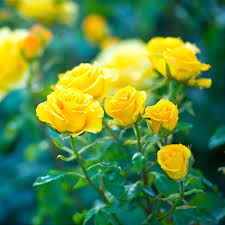
Grow mustard yellow roses from heirloom non-GMO seeds for a distinctive ornamental rose with warm yellow coloring. A charming choice for cottage gardens, rose borders, containers, and specialty flower collections.
Key Features
- Produces attractive rose blooms in warm mustard-yellow tones.
- Heirloom, non-GMO seed choice for ornamental garden enthusiasts.
- Adds classic rose character and rich color to landscapes.
- Ideal for cottage gardens, flower borders, containers, and specialty collections.
- Best grown in sunny locations with fertile, well-drained soil.
Growing Benefits
- Adds warm golden color to ornamental garden spaces.
- Creates a charming focal point among perennial flowers.
- Suitable for gardeners interested in growing roses from seed.
- Complements cottage-style borders and romantic garden settings.
- Offers an engaging long-term project for patient gardeners.
Seed Specifications
- Common Name: Yellow Rose
- Botanical Name: Rosa spp.
- Plant Type: Woody perennial shrub or climbing plant, depending on type
- Flower Color: Mustard yellow to warm yellow
- Flower Shape: Rose-like, layered petals depending on seedling
- Foliage: Green, compound leaves with serrated leaflets
- Growth Habit: Upright, bushy, or climbing depending on genetics
- Sunlight: Full sun
- Soil: Fertile, well-drained soil rich in organic matter
- Water: Moderate; maintain consistent moisture without waterlogging
- Germination Time: Variable; rose seeds may require extended cold stratification
- Sowing Depth: Approximately ¼ inch or lightly covered
- Spacing: Approximately 18–36 inches or more depending on mature growth
- Growing Zones: Varies by rose type; commonly grown across USDA Zones 5–9 depending on cultivar or species
- Flowering/Maturity: Seed-grown roses may require several years before flowering
- Uses: Cottage gardens, rose borders, containers, ornamental landscapes, cutting gardens, and specialty plant collections
Growing Tips
- Give rose seeds a cool, moist stratification period before sowing.
- Use a fertile, well-drained growing medium and avoid excessive moisture.
- Provide strong light to young seedlings once they emerge.
- Be patient because seed-grown roses can take several seasons to flower.
Seed Storage
Store unused seeds in a cool, dry, dark location before any required stratification treatment. Keep them sealed in an airtight container away from heat, moisture, and direct sunlight.
Important Growing Note
Roses grown from seed are not guaranteed to reproduce the exact characteristics of the parent plant. Flower color, petal form, fragrance, growth habit, and other traits can vary among seedlings. Rose seeds may also have dormancy requirements and can take several seasons to produce flowers.
Unique Facts About Seeds
- Roses belong to the genus Rosa, which contains numerous species and cultivated garden forms.
- Rose seeds are enclosed inside rose hips that develop after pollination.
- Many rose seeds require a period of cold, moist conditions before they will germinate.
- Seed-grown roses can display considerable variation in flower color, form, fragrance, and growth.