


Key Features
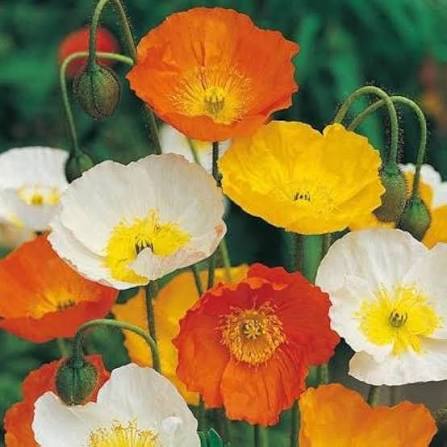
- Produces an attractive mix of poppy flowers in varied colors and forms.
- Delicate blooms rise above slender stems and distinctive foliage.
- Ideal for cottage gardens, flower beds, borders, meadow-style plantings, and cutting gardens.
- Performs best in full sun with well-drained soil.
- Creates a natural, colorful display with graceful seasonal blooms.
Growing Benefits
- Adds a beautiful mix of colors to garden spaces.
- Provides an easy way to create varied poppy displays from one seed mix.
- Delicate flowers bring a natural, cottage-garden character to landscapes.
- Suitable for borders, beds, meadow-style areas, and ornamental plantings.
- Many poppy varieties can provide food resources for visiting pollinators.
Seed Specifications
- Common Name: Poppy
- Botanical Name: Papaver spp.
- Plant Type: Annual, biennial, or perennial depending on species
- Colors: Red, pink, white, orange, purple, and mixed shades depending on the varieties included
- Height: Approximately twelve to thirty-six inches, depending on species and variety
- Sunlight: Full sun
- Soil: Well-drained, moderately fertile soil
- Water: Moderate; avoid consistently waterlogged soil
- Germination Time: Approximately seven to twenty-one days under favorable conditions
- Sowing Depth: Surface sow or cover very lightly
- Spacing: Approximately six to twelve inches, depending on variety
- Growing Zones: Varies by species; check the specific seed packet for the appropriate climate range
- Flowering/Maturity: Varies by species and planting time; many types bloom during spring or summer
- Uses: Cottage gardens, flower beds, borders, meadow-style gardens, naturalized plantings, and ornamental displays
Growing Tips
- Sow the tiny seeds directly where they are to grow because many poppies dislike root disturbance.
- Press seeds gently onto the soil surface instead of burying them deeply.
- Choose a sunny location with excellent drainage.
- Thin crowded seedlings carefully once they are established to reduce competition.
Seed Storage
Store unused seeds in a cool, dry, dark location. Keep them in their original packet or an airtight container protected from moisture, heat, and direct sunlight.
Unique Facts About Seeds
- Poppies belong to the Papaveraceae family and include annual, biennial, and perennial species.
- Poppy seeds are very small and are generally sown on or close to the soil surface.
- Many poppy flowers have delicate, papery petals that create a distinctive ornamental appearance.
- Poppy seed pods can add attractive structure to the garden after flowering.