Skip to product information
1 of 3

EdenValleySeeds

Mixed Fig Fruit Seeds for Planting – Heirloom Non-GMO Garden Seeds

Mixed Fig Fruit Seeds for Planting – Heirloom Non-GMO Garden Seeds

No reviews yet
Regular price $18.89 USD
Regular price Sale price $18.89 USD
Sale Sold out
Size
Quantity
DELIVERY ESTIMATE
Oct 22 – Oct 24 Estimated arrival
ORDER Oct 12 Order placed
ORDER READY Oct 14 – Oct 15 2–3 business days
DELIVERED Oct 22 – Oct 24 10–12 business days total
Carefully packed and tracked from dispatch to delivery.
Secure checkout Carefully packed seeds Tracked delivery Quality-focused selection
View full details

Key Features

  • Grow unique fig plants from seed for your home garden

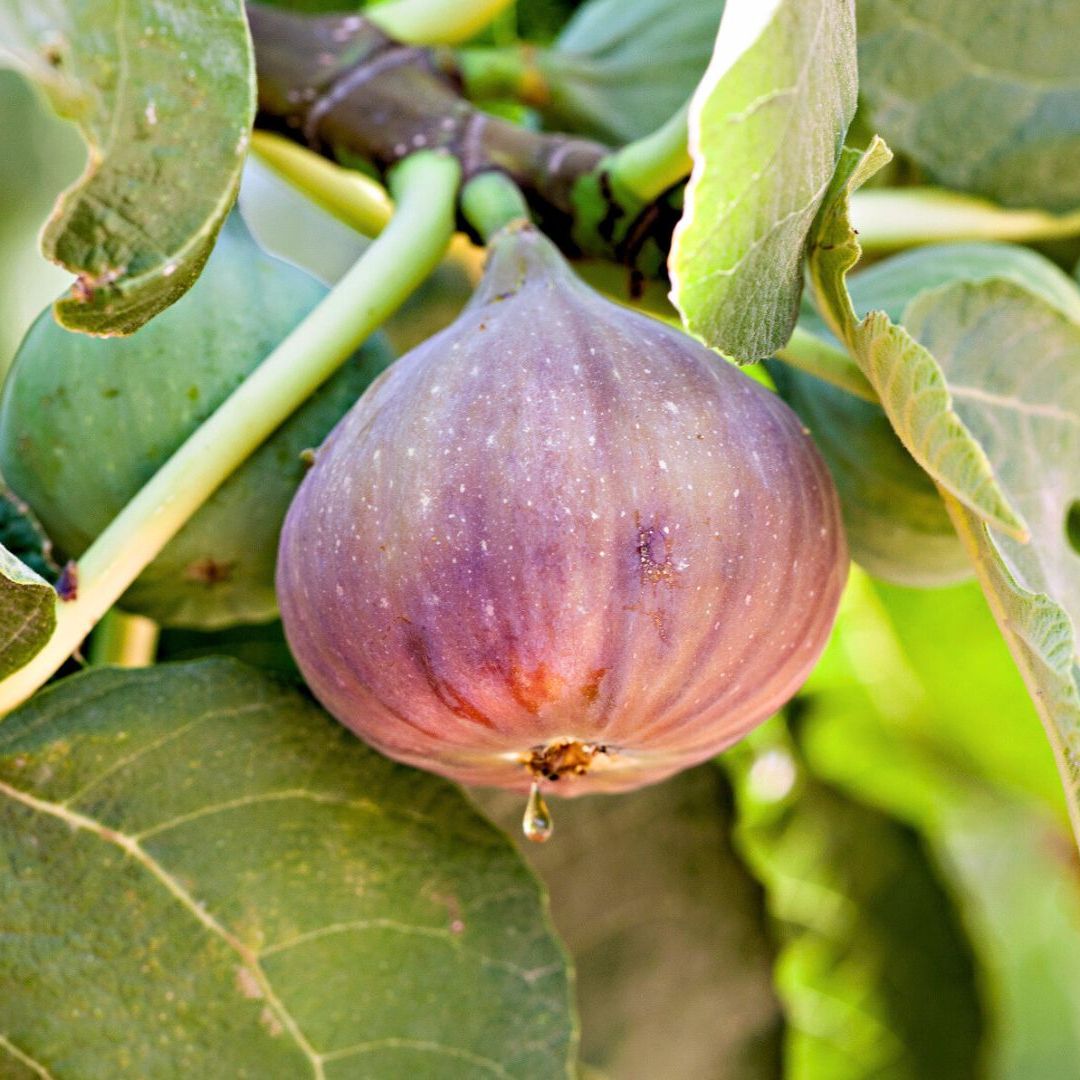
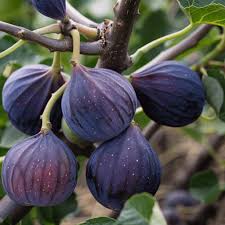
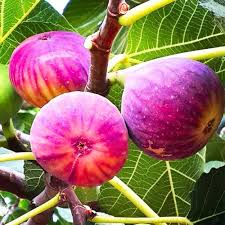
  • Mixed seed selection offers exciting variation in potential fruit characteristics

  • Attractive foliage adds a Mediterranean-inspired look to outdoor spaces

  • Suitable for warm gardens, greenhouses, patios, and large containers

  • Great choice for gardeners who enjoy growing unusual fruit plants

Growing Benefits

  • Adds an attractive fruiting plant to edible landscapes

  • Enjoy the rewarding experience of raising figs from seed

  • Excellent for experimenting with diverse fig characteristics

  • Suitable for container growing while plants are young

  • Creates an attractive garden feature with broad, distinctive foliage

Seed Specifications

  • Plant Type: Deciduous fruit tree or shrub

  • Botanical Group: Ficus species

  • Fruit: Fig fruit characteristics may vary in color, size, shape, and flavor

  • Light Requirement: Full sun

  • Best Use: Home gardens, edible landscapes, greenhouses, patios, and containers

Growing Tips

  • Start seeds in a warm, well-draining growing medium for healthy establishment.

  • Provide plenty of sunlight once seedlings develop stronger growth.

  • Keep young plants evenly moist while avoiding constantly saturated soil.

  • Protect seedlings from frost and severe cold during early development.

Seed Storage

Store unused seeds in a cool, dry location away from direct sunlight and excess humidity. Keep them in a sealed, moisture-resistant container or packet. Avoid prolonged exposure to heat and moisture to help preserve seed quality.

Unique Facts About Seeds

  • Figs belong to the genus Ficus and the mulberry family, Moraceae.

  • The common edible fig is botanically known as Ficus carica.

  • Fig fruit is botanically a specialized structure called a syconium.

  • Seed-grown figs are genetically variable and may produce fruit unlike the parent plant.

  • Some fig seeds can remain dormant and may germinate unevenly under different conditions.

Growing Instructions

Prepare a fine, well-draining seed-starting medium and sow the seeds on or just beneath the surface. Cover them very lightly because fig seeds are small. Keep the growing medium consistently moist but avoid waterlogging.

Place the container in a warm location with bright, indirect light. Maintain steady moisture and suitable warmth while waiting for germination. Fig seedlings may emerge at different times, so allow sufficient time for slower seeds to develop.

Once seedlings produce several healthy leaves and establish stronger roots, transplant them carefully into individual containers. Gradually introduce young plants to stronger sunlight before moving them outdoors permanently.

Choose a sunny location with fertile, well-draining soil. Water young plants regularly during establishment, allowing the soil to dry slightly between waterings. Mature plants generally appreciate consistent moisture during active growth but should not remain in soggy soil.

Provide sufficient room for root and canopy development. Protect young plants from frost and prolonged freezing temperatures. With suitable warmth, sunlight, moisture, and care, fig seedlings can develop into attractive plants with broad foliage and eventually produce fruit.

Because these are mixed, seed-grown figs, individual plants may differ in fruit color, size, shape, flavor, productivity, and other characteristics. Fruit production can also take several years, depending on the plant and growing conditions.