


Key Features
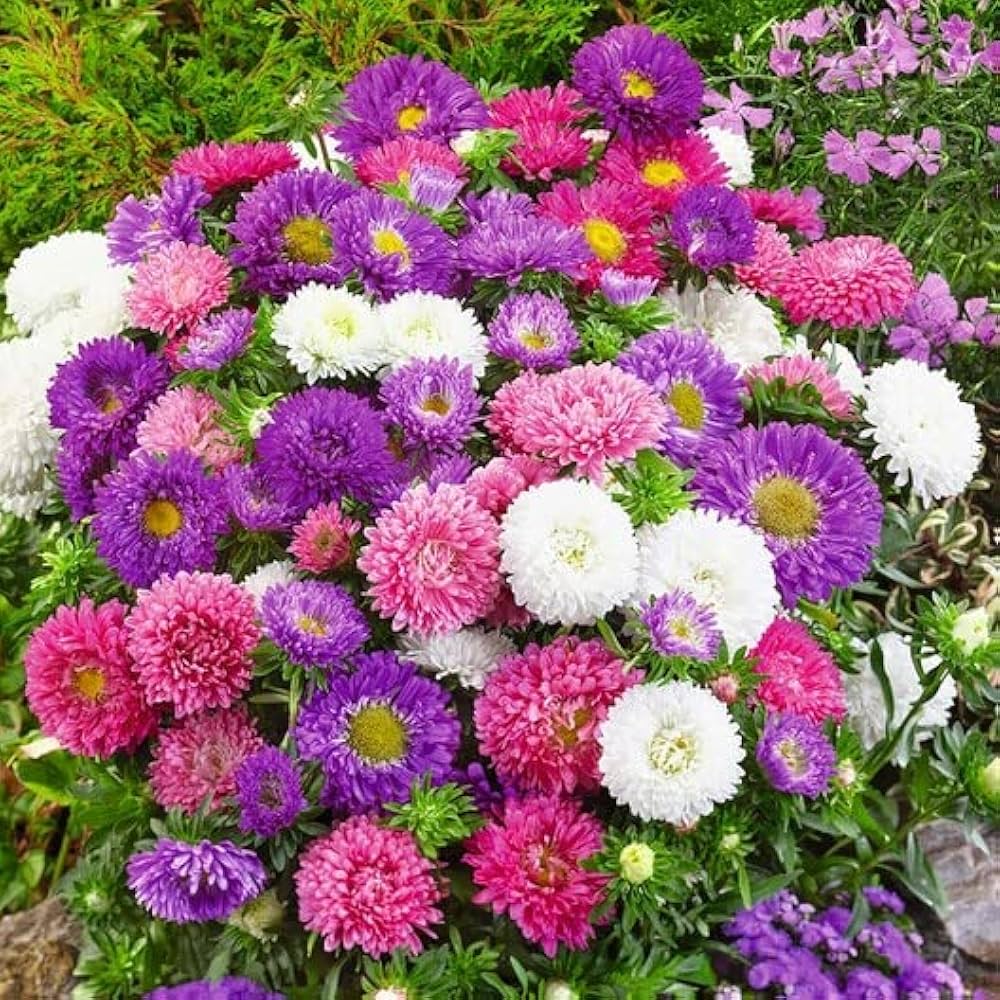
- Produces a colorful mix of aster blooms in varied shades and flower forms.
- Includes attractive flowering plants that can add texture and seasonal color to garden spaces.
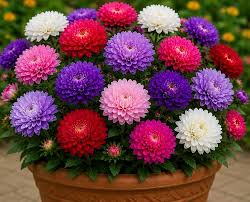
- Suitable for flower beds, borders, containers, cottage gardens, and cutting gardens.
- Performs best in full sun with fertile, well-drained soil.
- A versatile seed mix for creating colorful and varied garden displays.
Growing Benefits
- Adds a range of colors and shapes to ornamental garden spaces.
- Creates attractive mixed plantings without relying on a single flower color.
- Suitable for containers, borders, beds, and cottage-style landscapes.
- Provides blooms that can be enjoyed in fresh floral arrangements.
- Offers seasonal interest across the flowering period.
Seed Specifications
- Common Name: Aster
- Botanical Name: Callistephus chinensis and/or Aster spp., depending on the seed mix
- Plant Type: Annual or perennial flowering plants, depending on species
- Colors: White, pink, purple, blue, red, and mixed shades
- Height: Approximately twelve to thirty-six inches, depending on variety
- Sunlight: Full sun
- Soil: Fertile, well-drained soil
- Water: Regular and moderate; keep soil evenly moist
- Germination Time: Approximately seven to twenty-one days under favorable conditions
- Sowing Depth: Approximately one-eighth to one-quarter inch
- Spacing: Approximately six to eighteen inches, depending on variety
- Growing Zones: Varies by species; annual asters can be grown across a wide range of climates
- Flowering/Maturity: Varies by species and planting time; many annual asters flower during summer
- Uses: Flower beds, borders, containers, cottage gardens, cutting gardens, and ornamental displays
Growing Tips
- Choose a sunny location with fertile, well-drained soil.
- Sow seeds shallowly and cover them with a light layer of growing medium.
- Keep the soil evenly moist during germination and early growth.
- Thin seedlings according to the expected mature size of the varieties in the mix.
Seed Storage
Store unused seeds in a cool, dry, dark location. Keep them in their original packet or an airtight container protected from moisture, heat, and direct sunlight.
Unique Facts About Seeds
- The name "aster" comes from a Greek word associated with a star, reflecting the star-like appearance of many aster flowers.
- Asters belong to the large Asteraceae family, which also includes daisies and sunflowers.
- Aster mixes can contain different flower colors, forms, heights, and flowering periods.
- The exact characteristics of plants grown from a mixed seed packet depend on the species and varieties included.