


Key Features
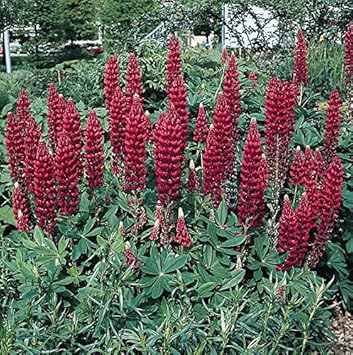
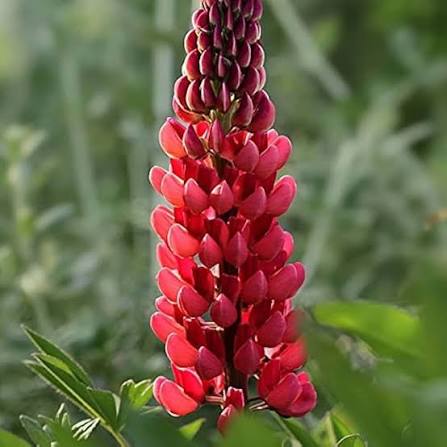
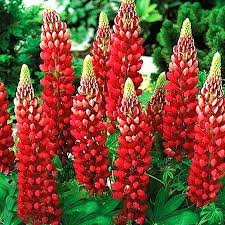
- Produces rich maroon flower spikes above attractive palmate green foliage.
- Upright growth adds height and structure to flower beds and borders.
- Ideal for cottage gardens, wildflower areas, meadow plantings, and pollinator spaces.
- Performs best in full sun to partial shade with well-drained soil.
- Deep maroon blooms create striking contrast with lighter-colored garden flowers.
Growing Benefits
- Adds bold maroon color and vertical interest to garden displays.
- Flower spikes can attract bees, butterflies, and other visiting pollinators.
- Works well in cottage, meadow, and naturalized garden settings.
- Provides an attractive vertical element among lower-growing flowers.
- Lupines can contribute to soil nitrogen through associations with nitrogen-fixing bacteria.
Seed Specifications
- Common Name: Lupine, Lupin
- Botanical Name: Lupinus spp.
- Plant Type: Annual or perennial, depending on species
- Colors: Maroon
- Height: Approximately one to four feet, depending on species and variety
- Sunlight: Full sun to partial shade
- Soil: Well-drained, moderately fertile soil
- Water: Moderate; avoid prolonged waterlogging
- Germination Time: Approximately fourteen to thirty days under favorable conditions
- Sowing Depth: Approximately one-quarter inch
- Spacing: Approximately twelve to eighteen inches
- Growing Zones: Varies by species; many garden lupines perform well across USDA Zones three through eight
- Flowering/Maturity: Generally flowers from late spring through summer, depending on species, climate, and planting time
- Uses: Cottage gardens, borders, wildflower gardens, meadow plantings, pollinator gardens, and ornamental beds
Growing Tips
- Soak seeds before sowing or lightly scarify the seed coat to help improve water absorption.
- Select a well-drained planting area because lupines do not perform well in consistently wet soil.
- Provide full sun or partial shade, with afternoon protection in particularly hot climates.
- Avoid excessive nitrogen fertilizer, which can encourage foliage rather than flowering.
Seed Storage
Store unused seeds in a cool, dry, dark place. Keep them in their original packet or an airtight container protected from moisture, heat, and direct sunlight.
Unique Facts About Seeds
- Lupines belong to the Fabaceae family, which includes peas and beans.
- Their flowers are arranged in upright clusters called racemes.
- Lupine roots form associations with nitrogen-fixing bacteria in the soil.
- Lupine seeds have a hard seed coat, and soaking or scarification can help some species absorb water.