



Key Features
- Mammoth dill variety known for tall, vigorous growth and abundant foliage.
- Produces fine, feathery green leaves with a fresh, aromatic flavor.
- Tall plants add graceful texture and vertical interest to herb gardens.
- Excellent for culinary use, pickling, salads, sauces, and herb blends.
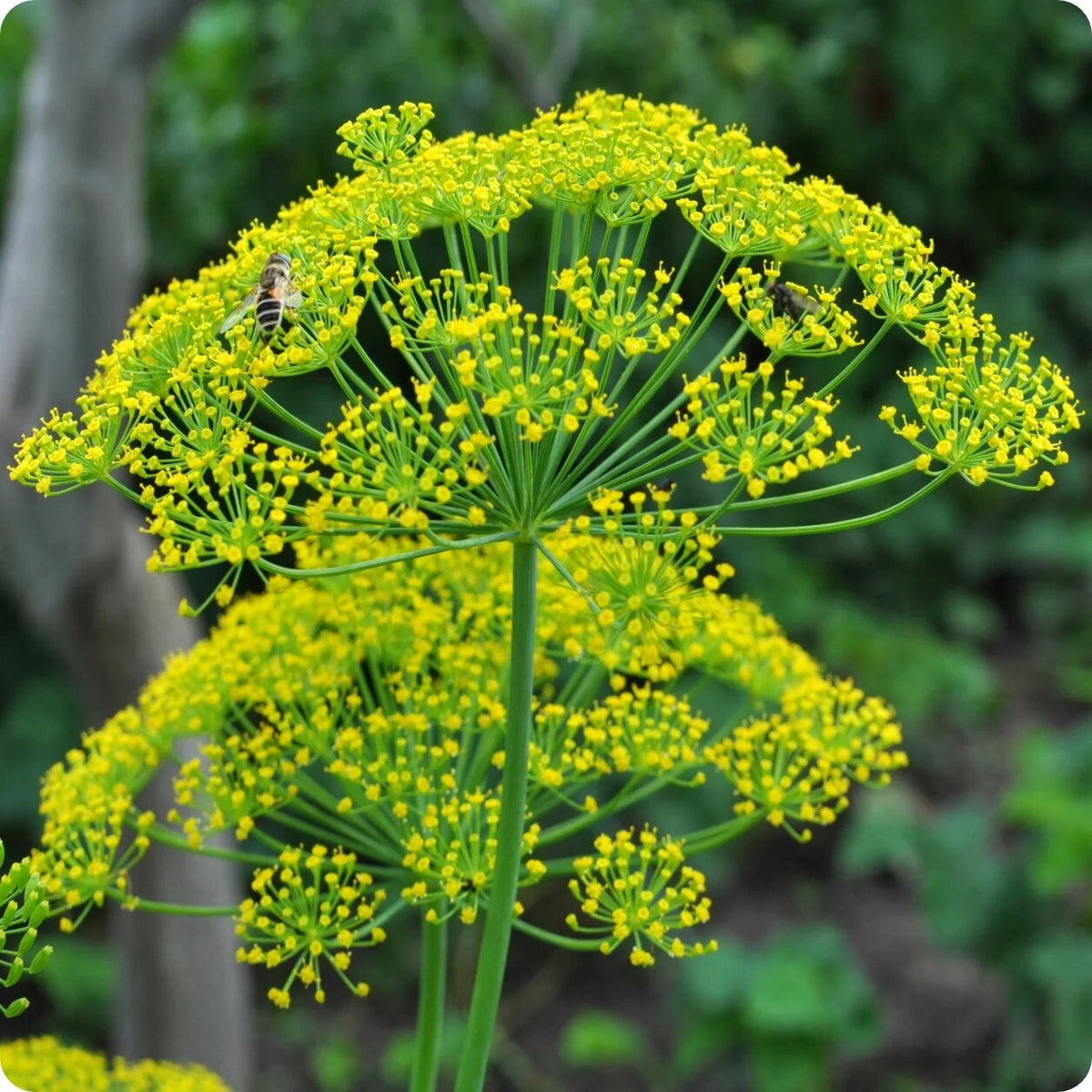
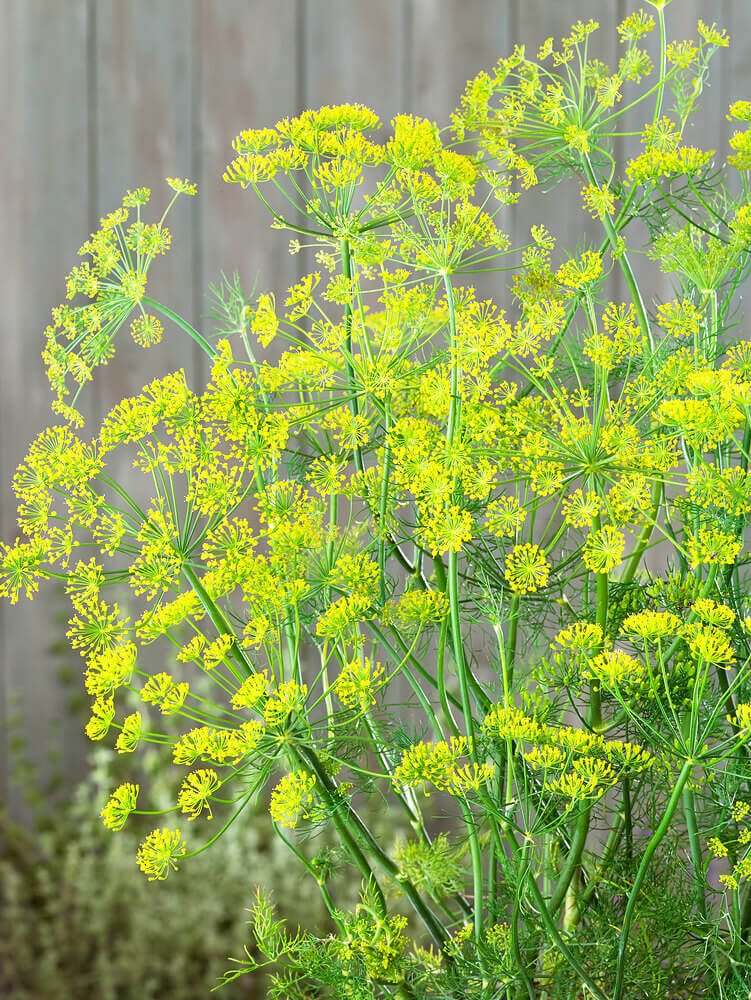
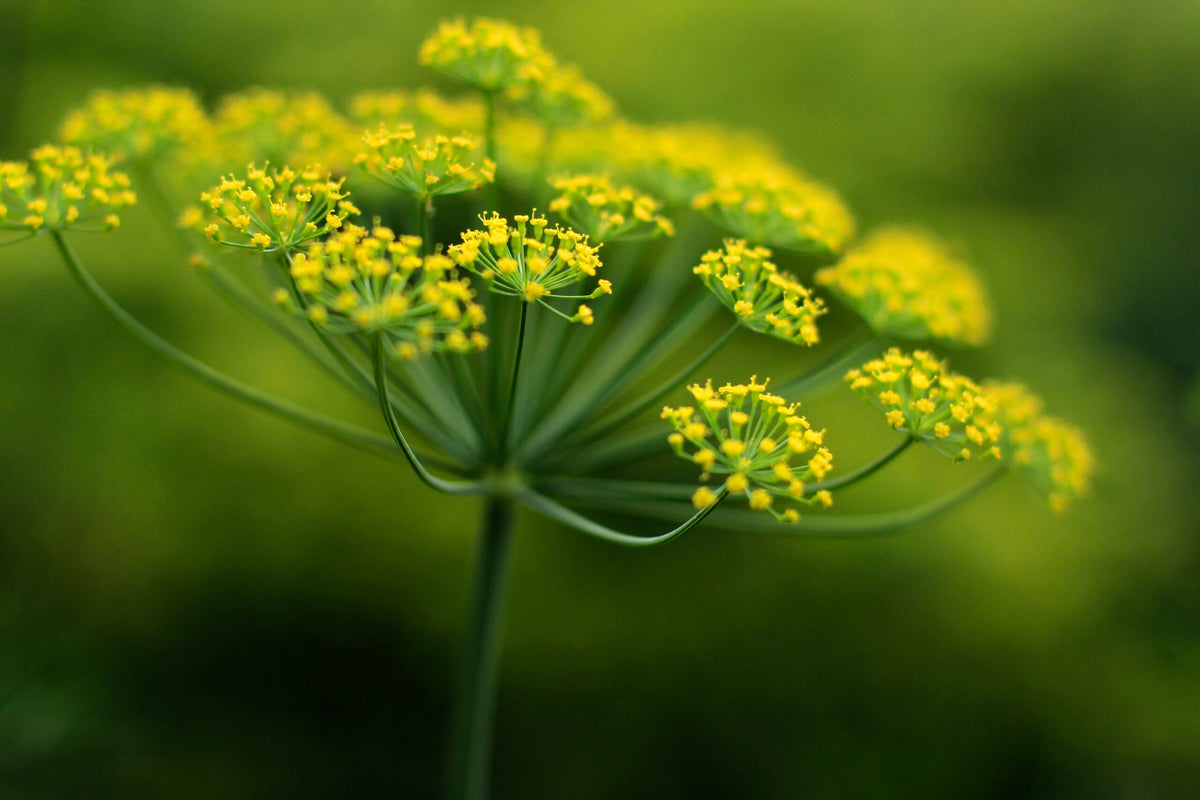
- Produces delicate yellow flower umbels that attract beneficial pollinators.
Growing Benefits
- Provides a steady supply of fresh dill leaves for home cooking.
- Easy-to-grow herb suitable for vegetable gardens, containers, and raised beds.
- Tall, attractive foliage adds visual interest to edible garden spaces.
- Flowering dill can provide nectar and habitat for beneficial garden insects.
- Seeds can be collected from mature plants for future sowing.
Seed Specifications
- Common Name: Mammoth Dill
- Botanical Name: Anethum graveolens
- Plant Type: Annual herb
- Colors: Green foliage; yellow flowers
- Height: Approximately three to five feet
- Sunlight: Full sun
- Soil: Well-drained, fertile soil with good organic matter
- Water: Moderate and consistent moisture
- Germination Time: Approximately seven to fourteen days
- Sowing Depth: About one-quarter inch deep
- Spacing: Approximately twelve to eighteen inches apart
- Growing Zones: USDA Zones three through ten
- Flowering/Maturity: Leaves can be harvested once plants are established; flowering generally occurs during the growing season
- Uses: Culinary herb, pickling, salads, sauces, garnishes, herb gardens, pollinator gardens
Growing Tips
- Sow dill directly where it will grow, as its long taproot dislikes disturbance.
- Choose a sunny location with loose, well-draining soil for healthy growth.
- Keep the soil evenly moist during germination and early plant development.
- Make successive sowings during the growing season for a continuous supply of fresh leaves.
Seed Storage
Store unused seeds in a cool, dry, dark location away from heat and moisture. Keep them in a tightly sealed, labeled container. Avoid storing seeds in humid areas to help maintain their viability.
Unique Facts About Seeds
- Mammoth Dill is a tall-growing dill variety valued for its abundant foliage and culinary versatility.
- Dill belongs to the Apiaceae family, which also includes carrots, parsley, and fennel.
- Dill produces umbrella-shaped clusters of small yellow flowers known as umbels.
- Dill seeds are aromatic and are commonly used as a culinary spice as well as for future planting.