


Key Features
-
Madeira fig variety suitable for home fruit gardens
-
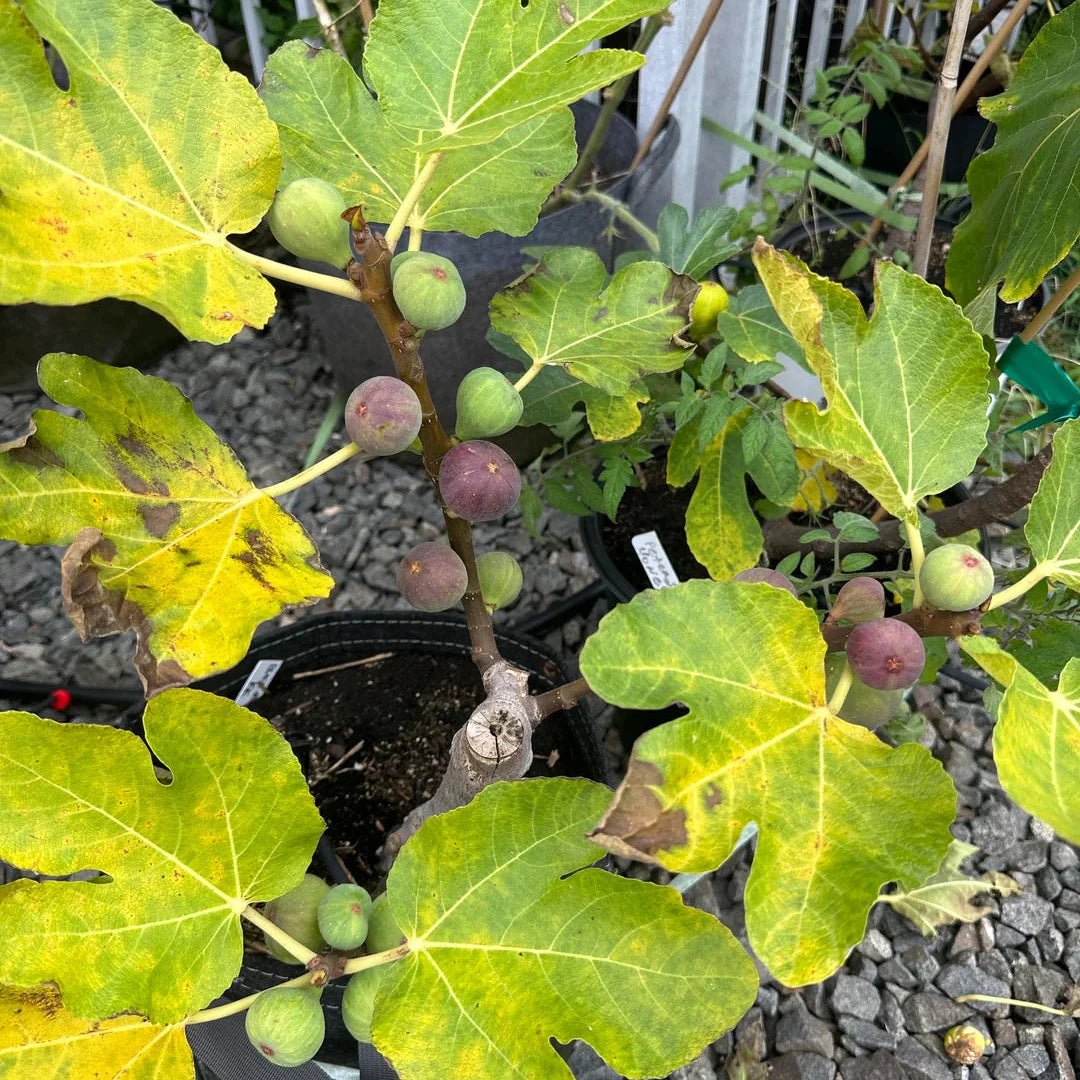
Woody perennial fig plant with broad, attractive foliage
-
Produces edible figs when plants reach suitable fruiting maturity
-
Suitable for warm gardens, patios, and large containers
-
Ideal for gardeners interested in growing figs from seed
Growing Benefits
-
Adds an attractive fruit tree to the home garden
-
Suitable for outdoor gardens and container cultivation
-
Provides an engaging seed-to-fruit growing project
-
Broad foliage adds ornamental interest to garden spaces
-
Can be grown in suitable warm climates with proper care
Seed Specifications
-
Common Name: Madeira Fig
-
Botanical Name: Ficus carica
-
Plant Type: Perennial deciduous fruit tree
-
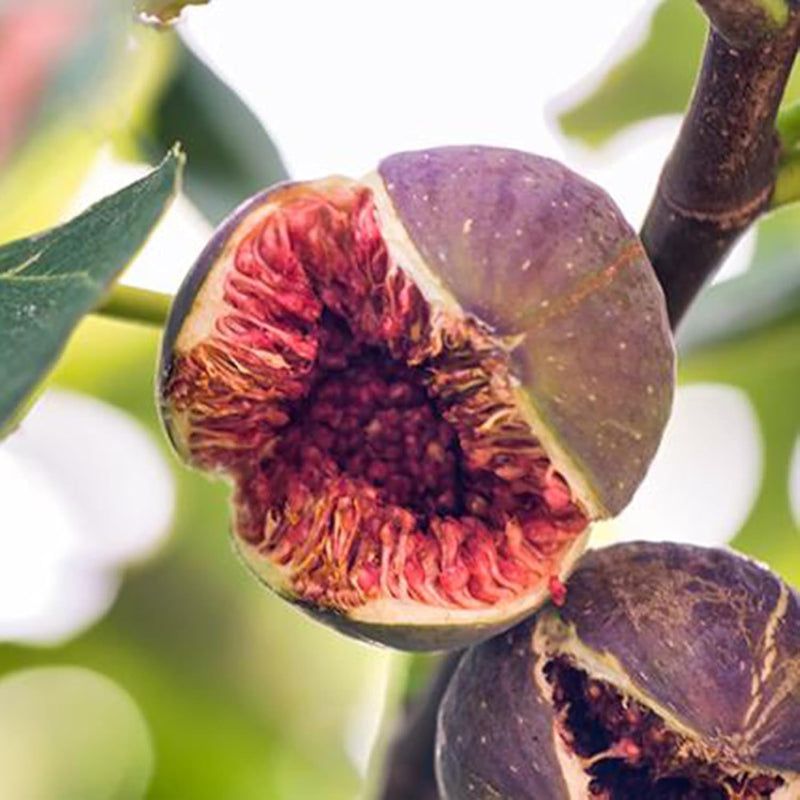
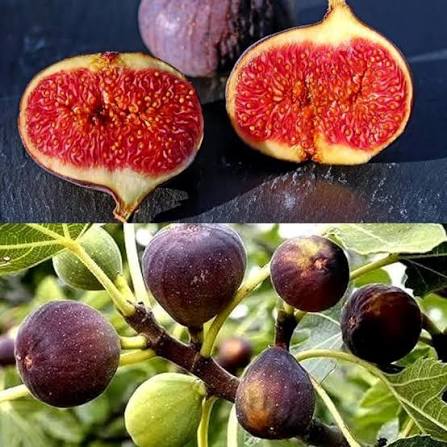
Colors: Green foliage with figs that may develop green to purple-brown tones depending on maturity and variety
-
Height: Can grow into a small to medium-sized tree when conditions are suitable
-
Sunlight: Full sun
-
Soil: Well-drained, fertile soil
-
Water: Regular moisture during establishment; avoid waterlogged soil
-
Germination Time: Usually several weeks under suitable conditions
-
Sowing Depth: Surface sow or cover very lightly
-
Spacing: Allow several feet of space between established plants
-
Growing Zones: Generally suited to USDA Zones six through ten, depending on local conditions and cultivar
-
Flowering/Maturity: Figs develop on mature plants; seed-grown figs may take several years to reach fruiting maturity
-
Uses: Fresh fruit gardens, containers, patios, edible landscapes, and ornamental planting
Growing Tips
-
Use a well-drained growing medium because fig seeds and young roots do not perform well in saturated soil.
-
Provide bright light and warm conditions during germination and early growth.
-
Transplant seedlings carefully to minimize disturbance to their developing roots.
-
Give mature plants plenty of sunlight and adequate space for long-term growth.
Seed Storage
Keep unused seeds in a sealed packet or airtight container. Store them in a cool, dry, dark location away from moisture, direct sunlight, and excessive heat.
Unique Facts About Seeds
-
The common edible fig belongs to the mulberry family, Moraceae.
-
Figs are technically syconia, a specialized structure containing many tiny flowers inside.
-
Fig plants have distinctive lobed leaves that can add ornamental interest to gardens.
-
Seed-grown fig plants may differ from the parent plant and can take considerably longer to produce fruit than propagated plants.